

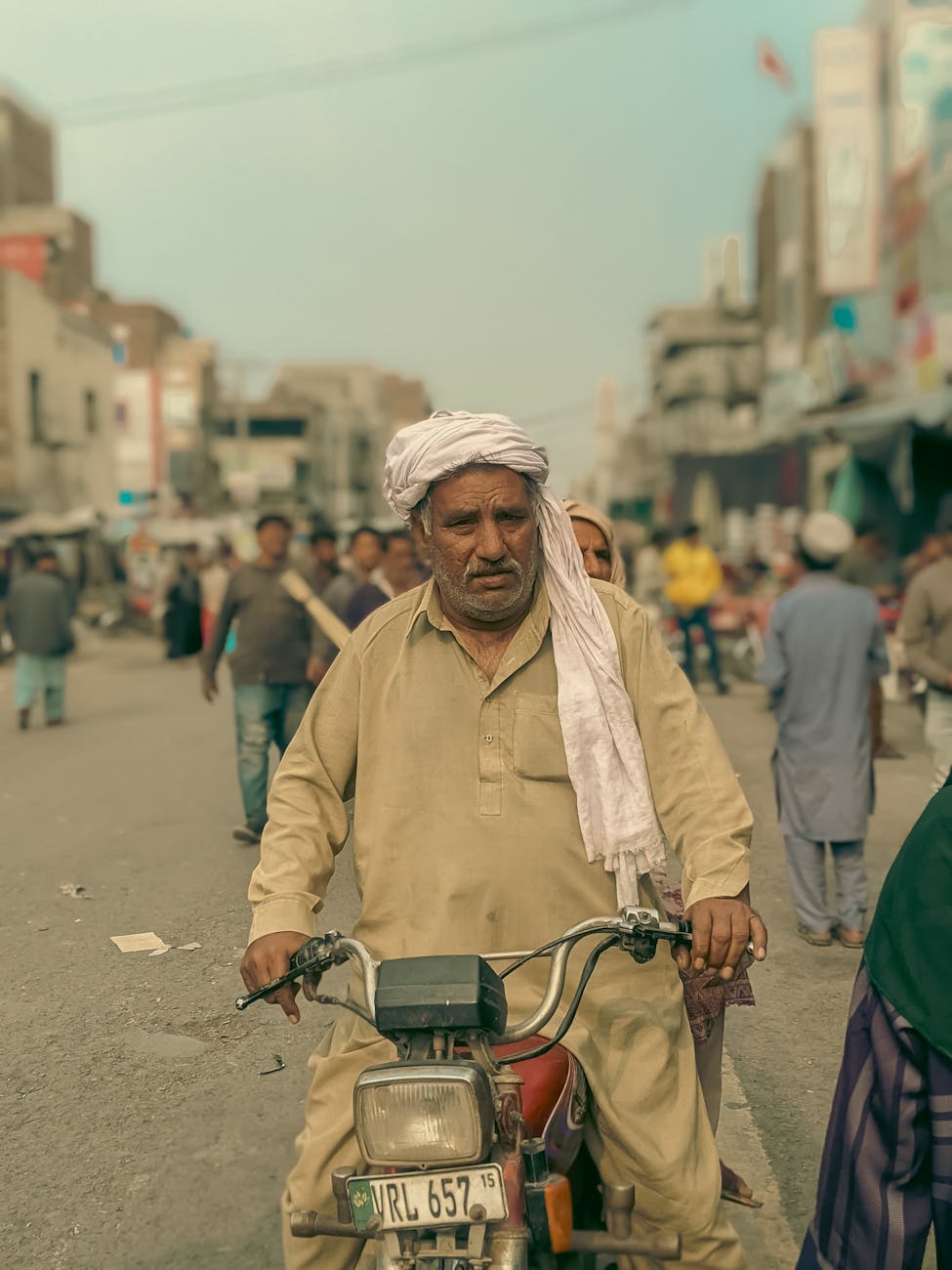
By Henry Maxwell
Senior World Affairs Analyst, Wide World News
February 27, 2026
Tensions between Pakistan and Afghanistan have escalated dramatically in early 2026, driven by cross-border militancy, territorial disputes, and mutual accusations of harboring terrorists. Long-standing friction over the porous Durand Line—Pakistan’s official border, rejected by Afghanistan—has boiled over amid rising attacks by the Tehrik-i-Taliban Pakistan (TTP) from Afghan soil. This volatile mix threatens imminent conflict, with both nations mobilizing forces and issuing ultimatums.
Core Drivers of the Crisis
Pakistan accuses the Afghan Taliban, who seized power in 2021, of sheltering TTP fighters responsible for a surge in bombings and assaults inside Pakistan. Over 1,000 Pakistani security personnel have died in TTP-linked violence since 2023, with attacks peaking in 2025-2026 near the frontier provinces of Khyber Pakhtunkhwa and Balochistan. Islamabad views Kabul’s inaction as deliberate support, especially since the Taliban promised to prevent their territory from being used against neighbors but have failed to dismantle TTP camps.
Afghanistan counters by blaming Pakistan for airstrikes and ground incursions into its territory, which have killed civilians and Taliban fighters. Recent Pakistani drone strikes in Paktika and Khost provinces in February 2026 prompted vows of retaliation from Kabul. The Taliban government, strapped for resources and legitimacy, portrays these as unprovoked aggression to rally domestic support and deter internal dissent.
Water scarcity exacerbates the standoff. Afghanistan’s planned dam projects on rivers flowing into Pakistan, like the Kunar, threaten Islamabad’s agricultural heartlands in Punjab and Sindh. Pakistan, already facing climate-induced droughts, sees this as an existential threat, leading to skirmishes over irrigation rights and border checkpoints.
Durand Line: The Enduring Flashpoint
The 1893 Durand Line, a colonial-era boundary dividing Pashtun tribes across both countries, remains unrecognized by Afghanistan. Kabul claims it as an arbitrary division, fueling irredentist sentiments. Pakistan has fortified the 2,600-km frontier with barbed wire, mines, and watchtowers since 2023, displacing thousands and sparking clashes. Deportations of Afghan refugees—over 600,000 since late 2023—have inflamed anti-Pakistan rage in Kabul, with Taliban leaders calling for jihad against “occupiers.”
Motives Behind Imminent War Risks
Several factors make war plausible in the coming months:
- Proxy Warfare Escalation: Pakistan’s Inter-Services Intelligence (ISI) allegedly backs anti-Taliban groups like the National Resistance Front, mirroring Kabul’s covert TTP aid. Tit-for-tat strikes could spiral into full invasions, especially if TTP captures territory in Pakistan’s tribal areas.
- Domestic Politics: In Pakistan, Army Chief Asim Munir uses the Afghan threat to consolidate power amid economic woes and political instability post-Imran Khan. For the Taliban, confronting Pakistan diverts from ISIS-Khorasan bombings and economic collapse, bolstering their “Islamic Emirate” narrative.
- Geopolitical Meddling: China, invested in Pakistan via CPEC, pressures Islamabad to secure borders for Belt and Road projects. India exploits the chaos by deepening Afghan ties, while Iran mediates water issues but sides with Kabul. U.S. withdrawal has left a vacuum, emboldening both sides.
- Military Posturing: Pakistan has deployed additional brigades to Waziristan, while Taliban forces mass near Spin Boldak. Rhetoric from Islamabad’s Defense Minister—”we will not hesitate to strike deeper”—and Kabul’s spokesmen—”Pakistan will pay dearly”—signals readiness.
Potential Flashpoints and Outcomes
Key triggers include a major TTP offensive, another refugee expulsion wave, or a disputed dam breakthrough. A limited border war seems most likely, confined to artillery duels and air raids, but miscalculation could draw in nukes—Pakistan’s arsenal is frontier-deployed.
Mediation by China or the UN might avert disaster, but trust is eroded. Economic interdependence (trade hit $2 billion pre-crisis) offers incentives for de-escalation, yet hardliners dominate. Without dialogue on refugees, militants, and water, 2026 could see the first Pashtun war of the nuclear age.