
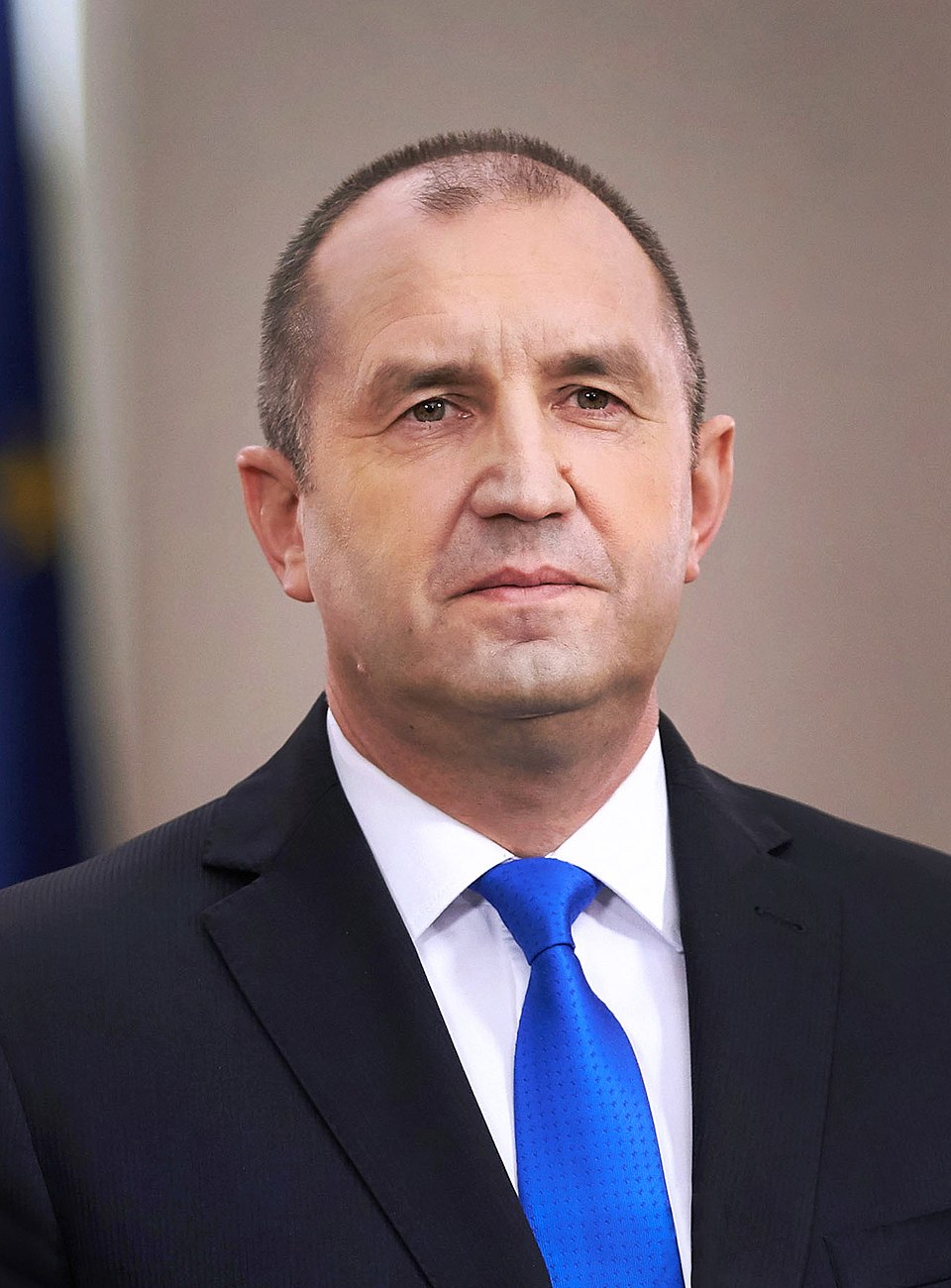
Sofia — Early exit polls from Bulgaria’s parliamentary elections indicate that Rumen Radev, a former president known for his pro‑Russian and Eurosceptic positions, is positioned to win the vote with his coalition Progressive Bulgaria. These elections are the country’s eighth in five years, reflecting a prolonged period of political instability.
According to projections, Radev’s bloc would secure between 37.5% and 39.2% of the vote—well ahead of its competitors but still short of an outright majority in the 240‑seat National Assembly.
Exit Poll Results
Figures from the Alpha Research agency suggest the following distribution:
| Party / Coalition | Estimated Share |
|---|---|
| Progressive Bulgaria (Rumen Radev) | 37.5% – 39.2% |
| GERB (Boyko Borissov) | 16% – 20% |
| PP‑DB (pro‑European coalition) | 12% – 14% |
| DPS–New Beginning | 8.4% |
| Vazrazhdane (ultranationalist, pro‑Russian) | 5% – 7% |
Turnout surpassed 50%, a notable increase compared with the previous election’s 39%.
Who Is Rumen Radev?
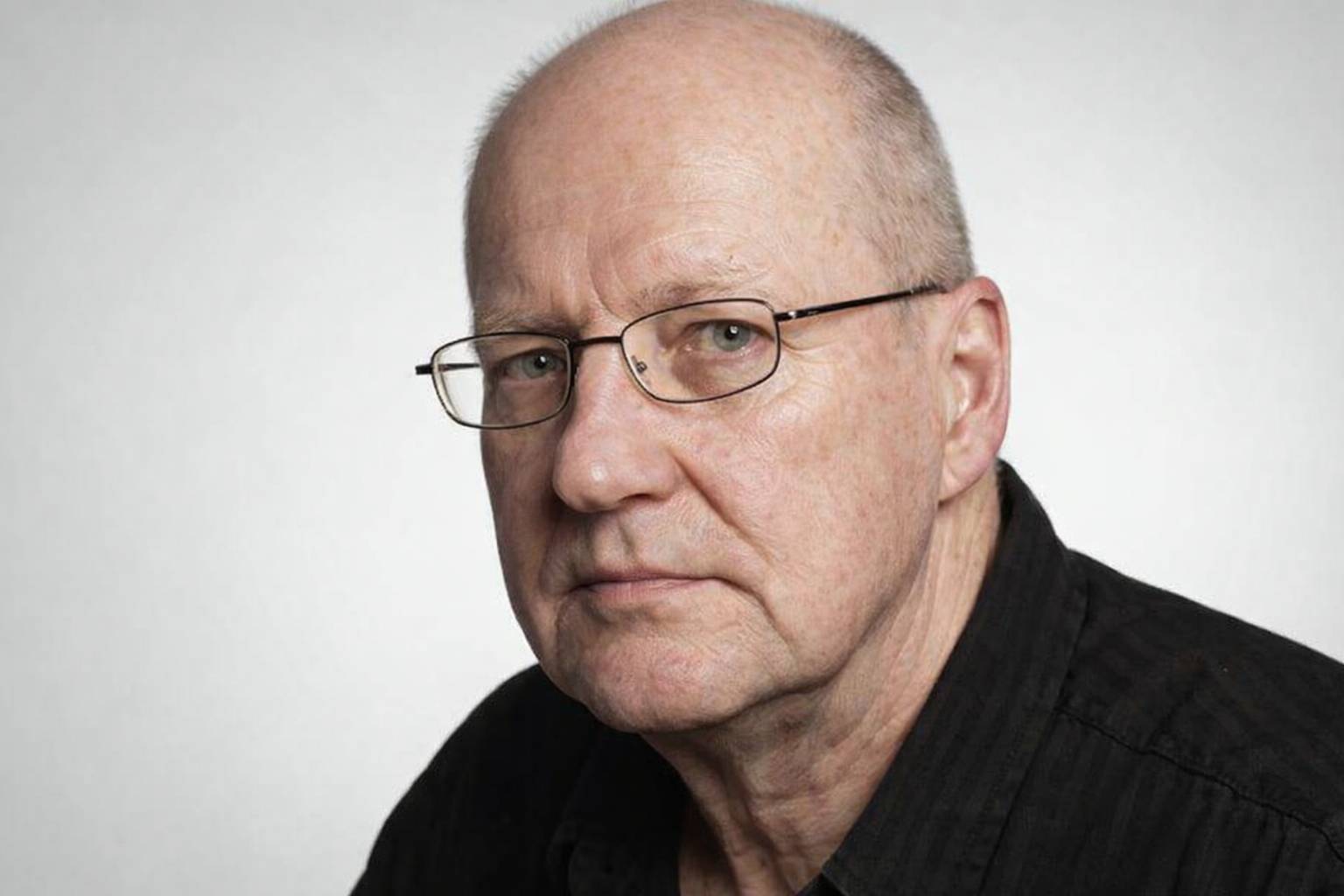
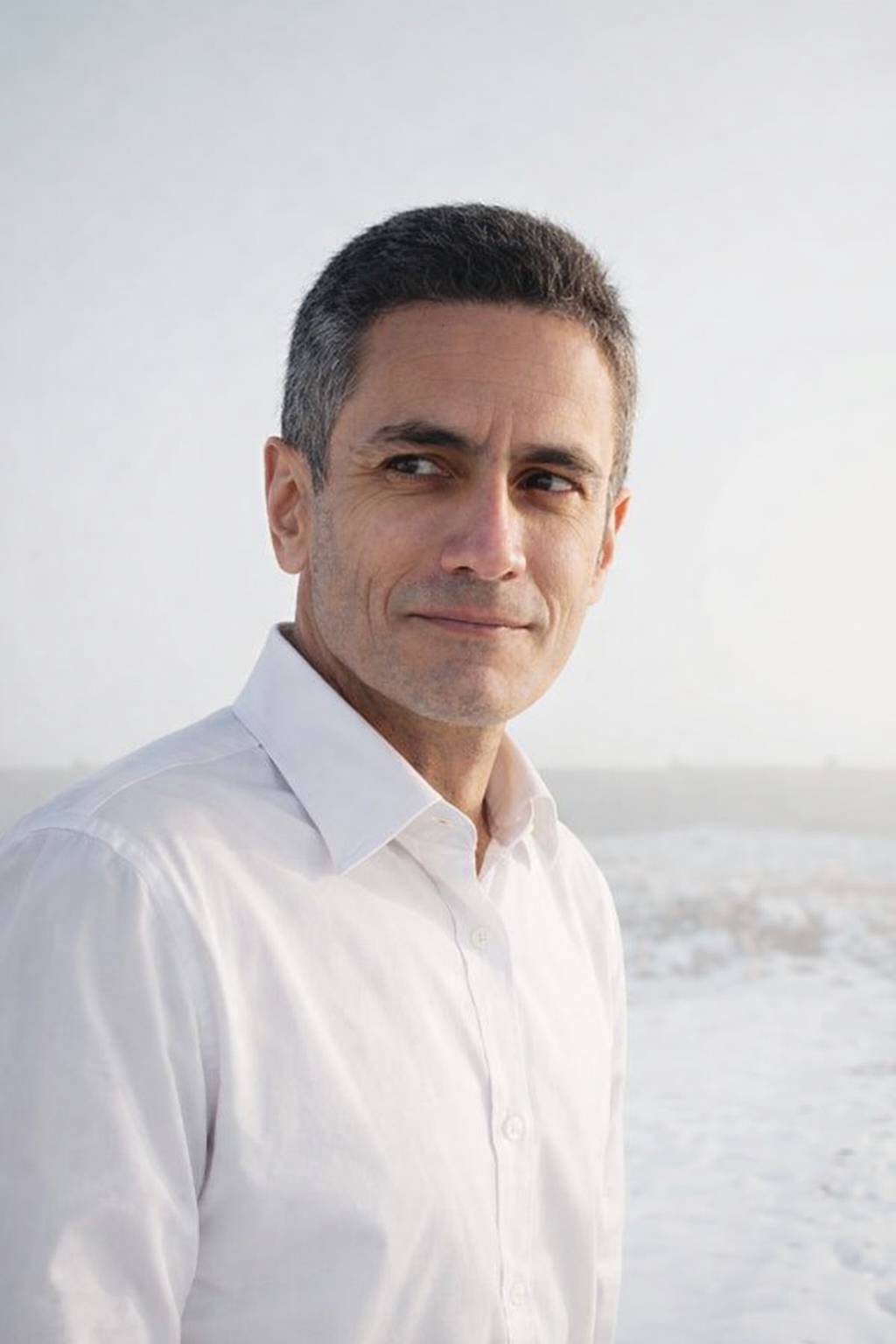
Radev, 62, is a former Air Force general who served as Bulgaria’s president from 2017 to 2026. He resigned in January to lead his new center‑left political project. Throughout the campaign, he presented himself as a figure committed to combating corruption and pledged to “break with the oligarchic model” that he argues has shaped Bulgarian politics for decades.
Political Positions and Areas of Concern
Radev’s expected victory has drawn attention in Brussels due to several of his stated positions:
- Relations with Russia: He supports maintaining “pragmatic and mutually respectful” ties with Moscow, particularly in economic and energy matters.
- Ukraine: While condemning the invasion, he has opposed sending weapons to Kyiv, arguing that the conflict “cannot be resolved militarily.”
- Euro adoption: He criticized the introduction of the euro on January 1, 2026, saying it should have been subject to a referendum.
- EU climate policy: He has described parts of the EU’s green agenda as unrealistic.
Some analysts have compared his political style to that of other leaders in Central and Eastern Europe, though Radev has previously stated that he would not block EU decisions during his time as president.
A Difficult Path to Forming a Government
Despite his lead, Radev will need coalition partners to form a government. He has ruled out agreements with GERB, led by Boyko Borissov, and with DPS–New Beginning, associated with businessman Delyan Peevski, who has been sanctioned by the United States and the United Kingdom.
Potential partners include the pro‑European PP‑DB coalition or the ultranationalist Vazrazhdane. The latter option, however, could further strain Bulgaria’s relationship with EU institutions. After the release of exit polls, Radev stated that his team is “prepared to offer different options to ensure Bulgaria has a stable government.”
Background: Bulgaria’s Political Crisis
Bulgaria, the EU’s poorest member state—with a GDP per capita around 68% of the EU average—has experienced persistent political turbulence. Since 2021, the country has seen seven different prime ministers. Large anti‑corruption protests in late 2025 brought down the most recent government, which had conservative backing.
Public frustration remains high. One voter in Sofia, Decho Kostadinov, 57, said he supported change, adding that corrupt politicians “should leave and take everything they stole with them.”
Reactions from Other Parties
GERB leader Boyko Borissov emphasized his party’s “strongly pro‑European stance” and its support for Ukraine and EU institutions. Meanwhile, PP‑DB signaled openness to negotiations with Progressive Bulgaria, provided there is alignment on key priorities such as judicial reform.
Political analyst Parvan Simeonov described the moment as significant, noting that “voting now truly matters, as a major new player has emerged—one of the most popular political figures in the country.”