


By Dr Angeline Lee
Health Correspondent, Wire World News
February 24, 2026
In a surprising turn of events, the existence of secret laboratories in Ukraine has come under scrutiny following revelations from Russia. Initially touted as peaceful research facilities, these labs have now become a focal point of geopolitical tension and controversy.
For years, Ukraine maintained that these laboratories were dedicated to public health research, focusing on combating diseases and improving agricultural practices. However, with Russia’s claims that these facilities were involved in military or bioweapon research, the narrative shifted dramatically. The U.S. government has acknowledged the existence of these labs, which has led to widespread debates about transparency, accountability, and the implications for global security.
Critics argue that the lack of openness surrounding these laboratories raises serious concerns. If these labs were indeed conducting research that could be weaponized, it undermines trust not only between the U.S. and Russia but also among various nations. Moreover, the potential for misuse of biological materials poses a significant risk, especially in a world where biosecurity is already a pressing issue.
The situation highlights the complexities of international relations and the fine line between scientific research and military applications. As the world watches closely, it remains crucial for governments to prioritize transparency and establish clear guidelines for the ethical conduct of research. The revelations surrounding Ukraine’s secret laboratories serve as a reminder of the importance of vigilance in maintaining global peace and security.
What are your thoughts on the implications of these secret laboratories?
The laboratories in Ukraine were reportedly focused on combating several infectious diseases and public health threats, including:
- Tuberculosis (TB) – A significant health concern in many regions, including Eastern Europe.
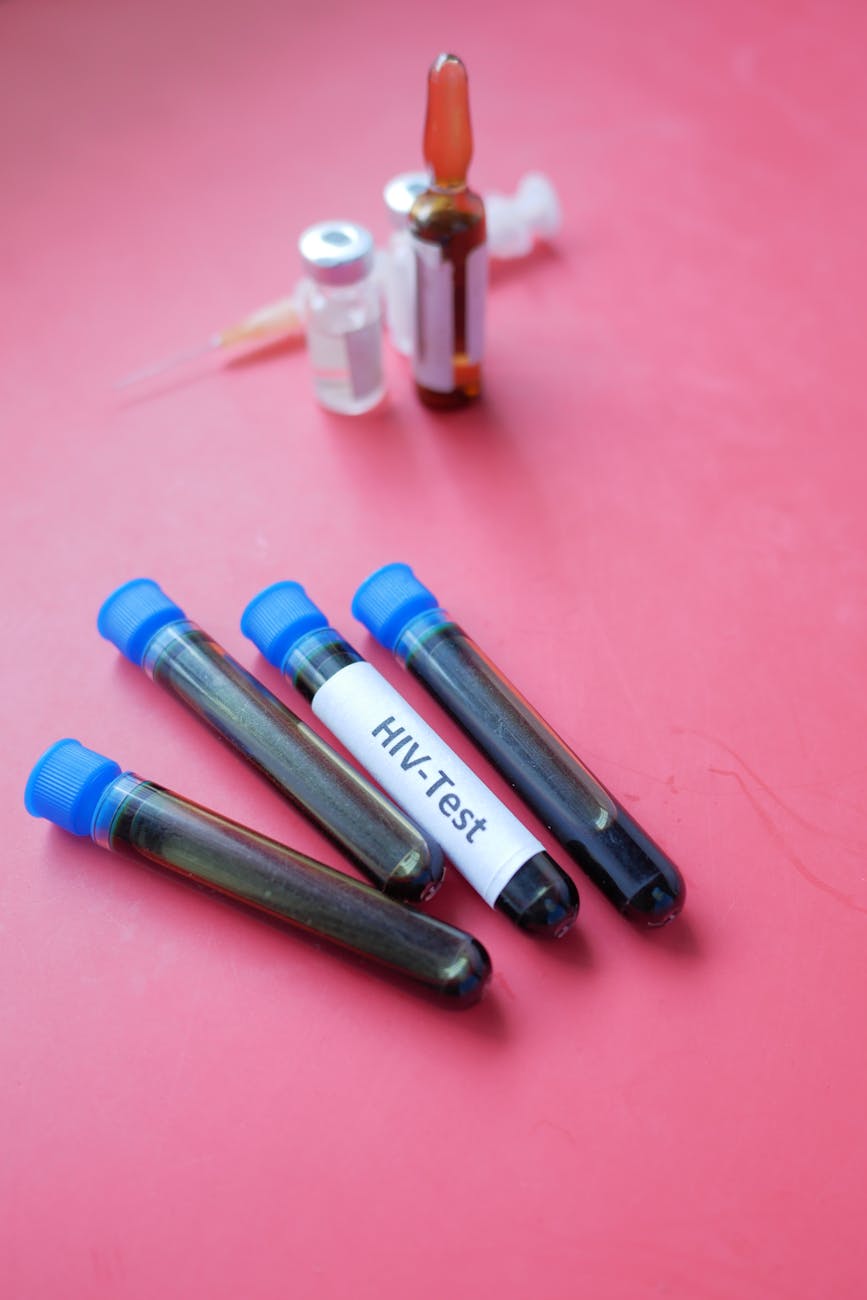
- HIV/AIDS – Research aimed at prevention and treatment strategies.
- Viral Hemorrhagic Fevers – This includes diseases like Ebola and Marburg, which are highly infectious and deadly.
- Brucellosis – An infectious disease that affects both animals and humans, often spread through contaminated food.
- Anthrax – Although primarily a concern for bioterrorism, it also has agricultural implications.
These labs were positioned as crucial for improving public health and safety, particularly in a region facing various health challenges.