

By Mary Coleman
Senior Political Correspondent, Wide World News
March 02, 2026
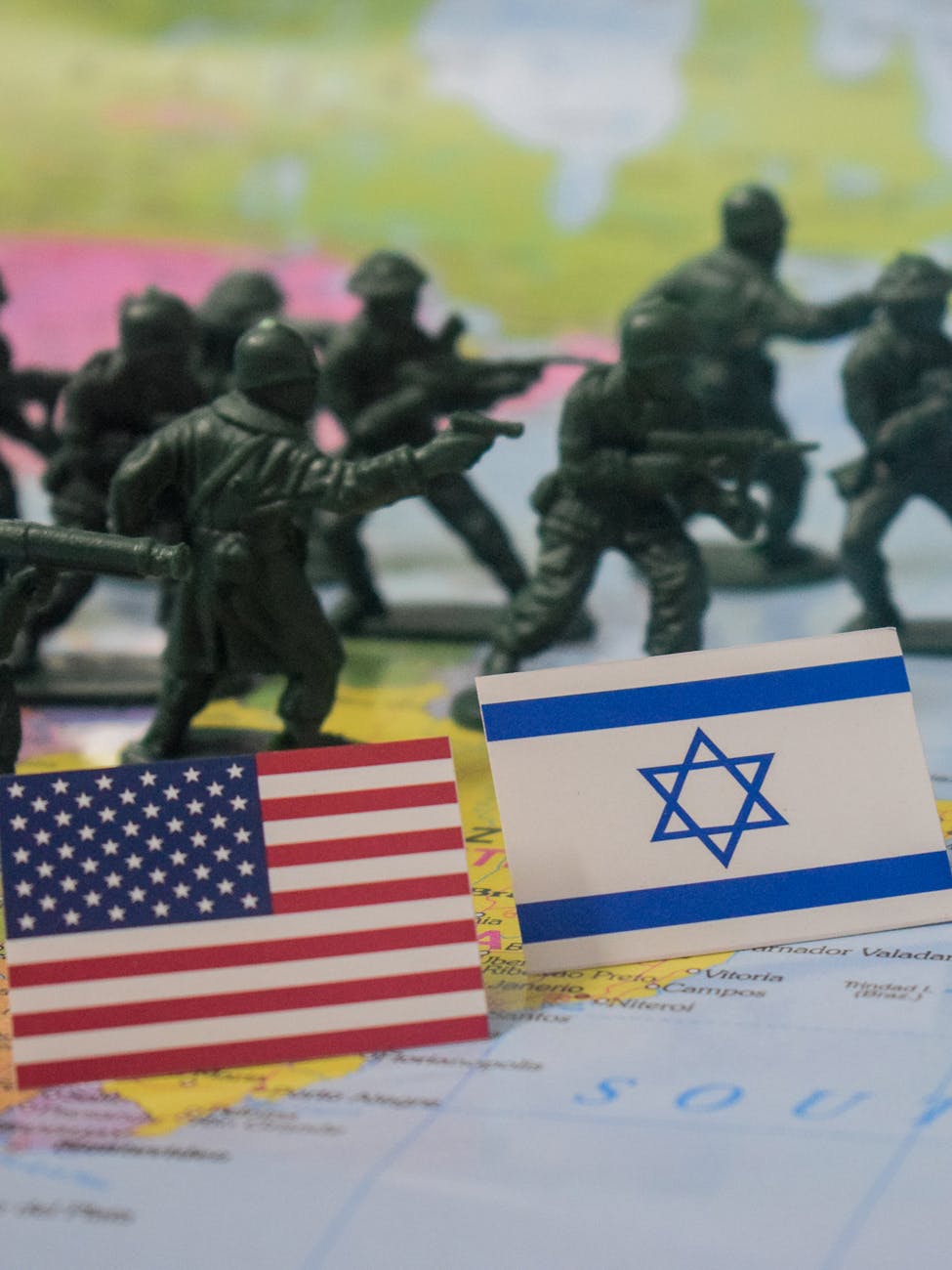
Ali Khamenei, Iran’s Supreme Leader since 1989, was killed on February 28, 2026, during coordinated US and Israeli missile strikes dubbed Operation Epic Fury, marking a dramatic end to one of the modern Middle East’s most enduring and polarizing figures. Born on April 19, 1939, in the holy city of Mashhad to a modest clerical family, Khamenei came of age under the pro-Western, secular Pahlavi dynasty, which he and his generation of Shiite scholars viewed as corrupt puppets of foreign powers.
Khamenei’s religious training steeped him in Twelver Shiism, making him a devoted student of Ruhollah Khomeini, the architect of Iran’s 1979 Islamic Revolution. From the 1960s, he plunged into anti-Shah activism, enduring multiple arrests for challenging the monarchy’s secularism and American ties. The revolution catapulted him into the new Islamic Republic’s elite: he survived a 1981 assassination attempt that left his right arm paralyzed, won the presidency that year, and ascended to Supreme Leader after Khomeini’s death in 1989. In 1994, he earned the title of Grand Ayatollah, granting him top-tier authority to interpret Sharia and wield unchecked power over the military, judiciary, and security apparatus.
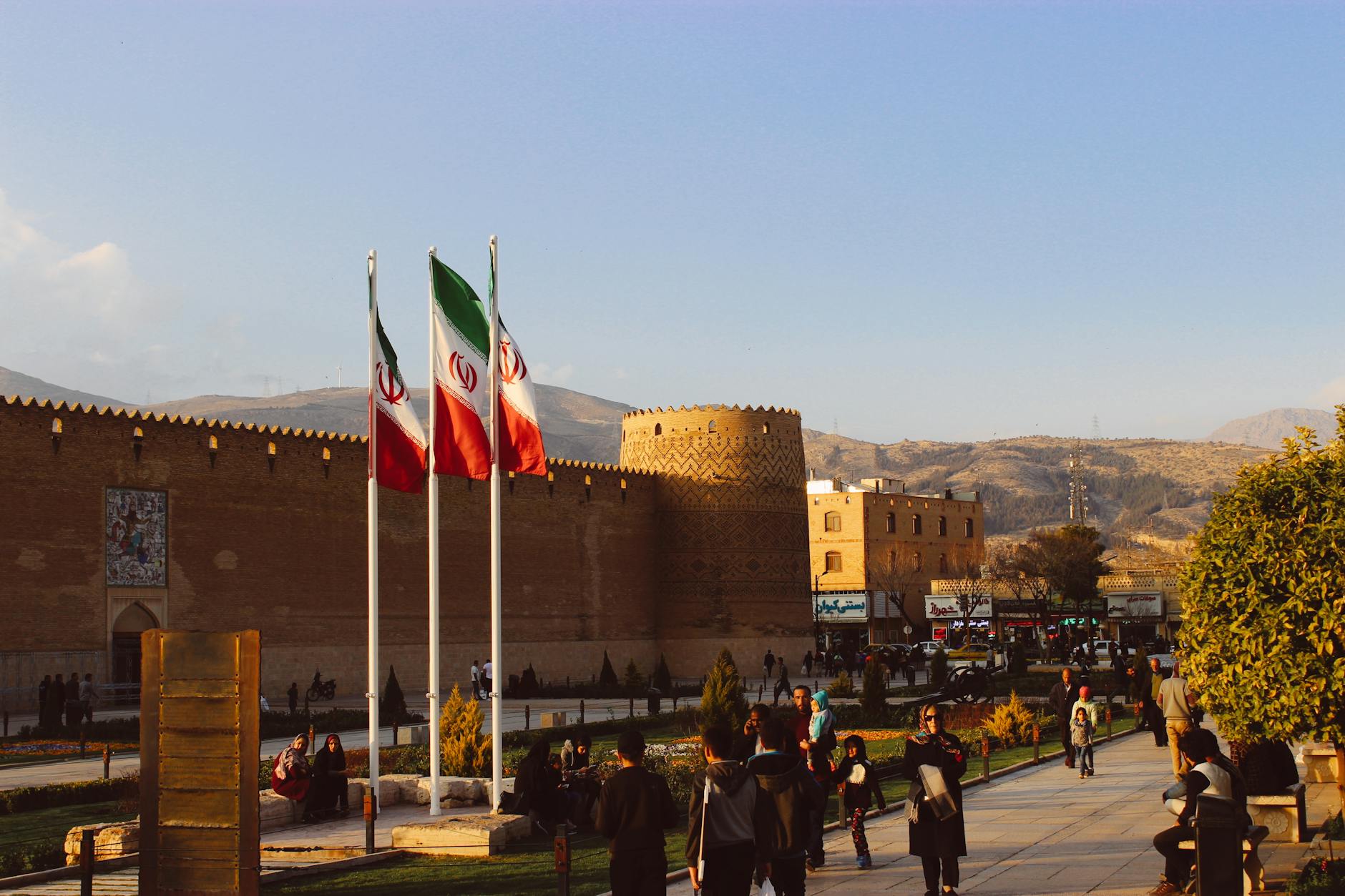
Under Khamenei’s three-decade rule, Iran hardened into a conservative theocracy, blending clerical supremacy with pragmatic realpolitik. He championed the nuclear program—officially for civilian energy, though widely suspected of weapons ambitions—while vocally denouncing the US as the “Great Satan” and Israel as a “cancerous tumor.” His unyielding support for proxies like Hezbollah, Hamas, and the Houthis fueled regional proxy wars, from Lebanon to Yemen, embedding Iran in a “Axis of Resistance” that stretched Tehran’s influence at the cost of crippling sanctions and isolation.
Khamenei’s death came amid the latest escalation: US-Israel strikes hammered Tehran and other cities targeting nuclear sites and command centers, prompting Iranian missile volleys on 14 US bases across Bahrain, Qatar, UAE, Jordan, and Kuwait. Local reports indicate he perished at his workplace alongside family members, including a daughter, son-in-law, grandson, and daughter-in-law. Tasnim News Agency confirmed the loss, thrusting Iran into uncertainty over succession—likely sparking power struggles among hardliners, IRGC brass, and potential rivals like President Ebrahim Raisi.
Khamenei’s era leaves a combustible legacy: a defiant Iran armed with advanced missiles and drones, economically battered yet ideologically fervent, and poised for retaliation. His passing amid open war risks a leadership vacuum that could ignite the powder keg of the Middle East, reshaping alliances from Tehran to Washington.