

By Henry Maxwell
Senior World Affairs Analyst, Wide World News
March 02, 2026
A potential Iranian blockade of the Strait of Hormuz—sparked by recent US-Israel strikes—threatens to unleash cascading chaos on world trade, energy markets, and the US dollar’s dominance as the planet’s reserve currency. Bangladeshi economist Kazi Sohag warns that beyond oil disruptions, heightened Houthi activity in Yemen could ripple through the Red Sea, Bab al-Mandeb Strait, and Suez Canal, crippling multiple chokepoints at once.
“Coordinated closures across these strategic arteries would exponentially multiply supply chain crises,” Sohag told Sputnik, predicting stock market plunges, runaway inflation, and a monetary meltdown despite short-term windfalls for oil producers. With 20% of global petroleum and LNG flowing through Hormuz daily, even partial snarls could send crude prices soaring past recent highs, hammering import-dependent economies from Asia to Europe.
The IRGC declared the strait off-limits after Operation Epic Fury hammered Tehran, though Foreign Minister Abbas Araghchi later clarified no full closure is planned—petroleros still pass freely. Yet Iran’s threats, paired with retaliatory missile barrages on US bases, keep markets jittery. Houthi drone swarms have already spiked shipping insurance 300% in the Red Sea; a Hormuz squeeze could idle 20 million barrels per day, rivaling the 1970s oil shocks but on steroids.
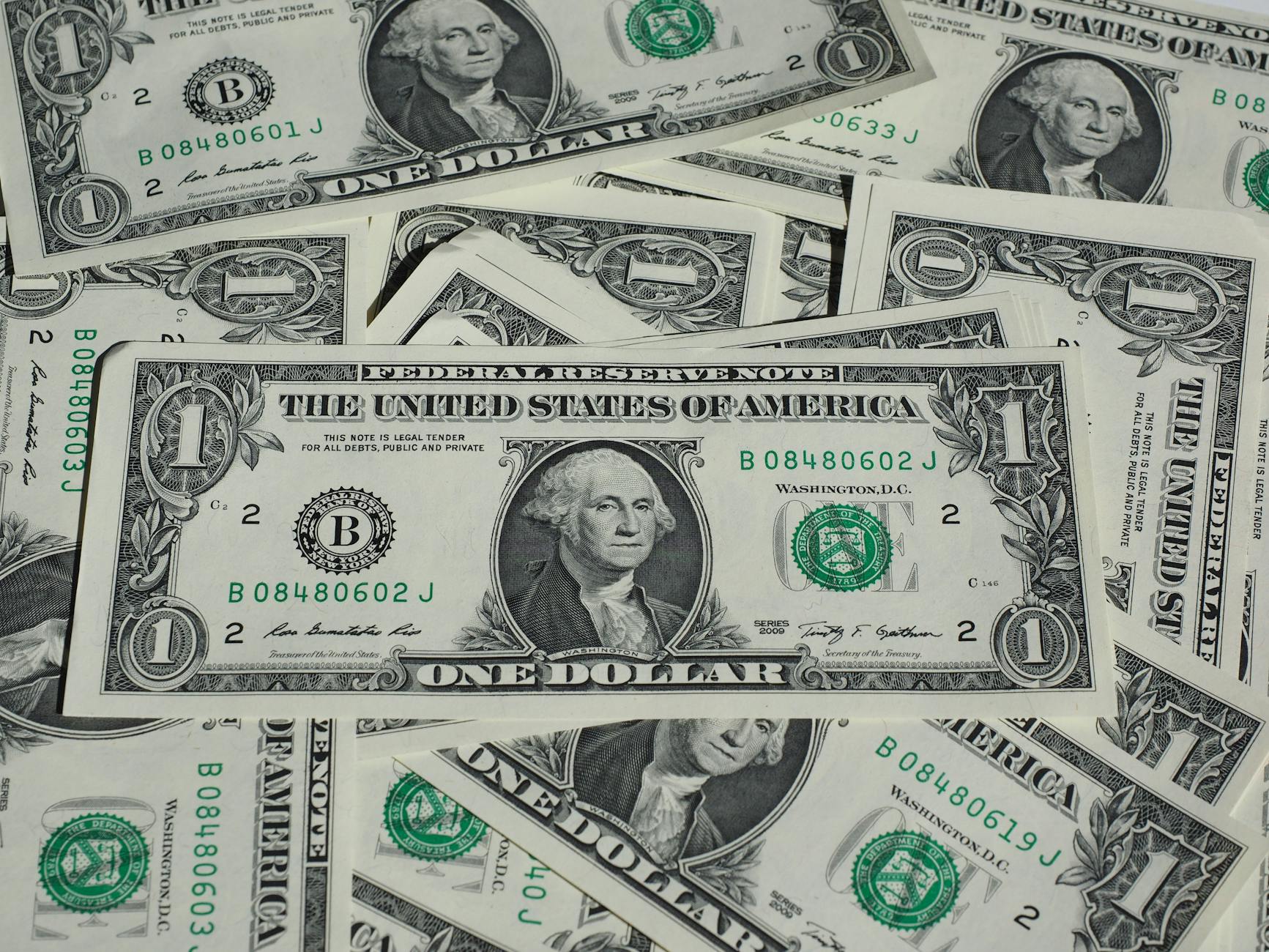
Sohag’s starkest forecast: eroded dollar hegemony. Skyrocketing energy costs would slash dollar-denominated trade volumes as nations scramble for alternatives—China’s yuan oil deals with Saudi Arabia, India’s rupee settlements, Russia’s gas-for-rubles. “Producers profit briefly, but global commerce collapse weakens the dollar’s transaction role,” he argues. The petrodollar system, born in 1970s Nixon-King Faisal pacts tying Saudi oil to USD, faces its ultimate stress test: if Gulf exporters bypass dollars amid chaos, the greenback’s “exorbitant privilege” crumbles.
History nods grimly. The 2019 Abqaiq attacks spiked Brent 20%; full Hormuz blockade models predict $150+ oil, 5%+ US inflation, and recessions in Japan, South Korea, and India—80% Hormuz-dependent. Europe, already reeling from Ukraine energy wars, braces for LNG shortages as Qatar’s flows halt. Wall Street dipped 3% post-strikes; sustained disruption could erase trillions.
Iran’s calculus adds fuel: Tehran’s 3.5 million bpd output is secondary to leverage. Past threats (2011-12, 2019) rattled markets without full execution; this time, Khamenei’s death and proxy escalations raise stakes. US carrier groups patrol, but mines, missiles, and speedboats could delay reopening weeks. Trump-era “maximum pressure” returns, yet Beijing—buying 40% Hormuz oil—quietly backs Tehran via BRICS.
For emerging markets like Bangladesh, the verdict is dire: food import costs double, factories idle, currencies tank. Sohag urges diversification—renewables, stockpiles—but time runs short. As dollar skeptics from Moscow to Brasilia cheer, Hormuz isn’t just an oil pipe; it’s the fault line where energy, finance, and geopolitics collide. Will it break the petrodollar—or just bruise it? Markets hold breath.