


By Dr Angeline Lee
Health Correspondent, Wire World News
The large-scale clinical trial launched by Grail in collaboration with the UK’s National Health Service (NHS) has not delivered the anticipated breakthrough. Despite hopes that the Galleri test could spot numerous cancers before symptoms appeared, the study found no reduction in advanced-stage (stage 3 and 4) diagnoses among more than 140,000 British volunteers, aged 50 to 77, who participated from 2021 onwards.
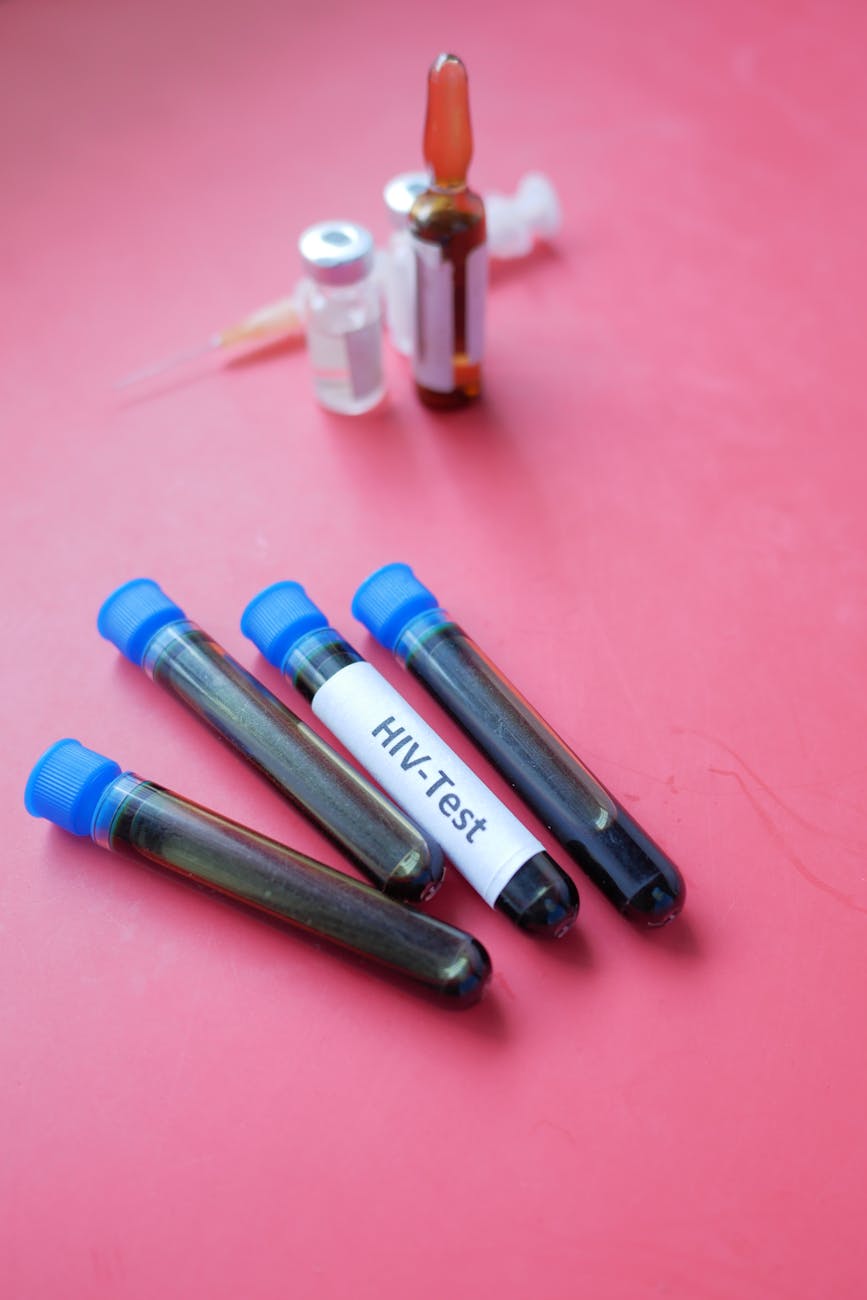
The project, which cost the NHS around 175 million euros, aimed to demonstrate that analyzing fragments of tumor DNA circulating in the bloodstream—a concept known as a liquid biopsy—could allow doctors to catch cancer early. However, results showed no significant increase in early-stage detections. While there was a slight drop in stage 4 cancers, cases at stage 3 actually rose somewhat.
Following the announcement, Grail’s shares plunged by 50%, underscoring the disappointment of investors and scientists alike. The setback represents not only a blow to the company but also a reminder of how challenging it remains to turn the promise of genomic-based cancer screening into a reliable clinical reality. Still, the global liquid biopsy market continues to grow rapidly and could surpass €13 billion by the end of the decade.
The promise and the problem of liquid biopsies
Liquid biopsies rely on detecting tumor-derived DNA fragments in the blood. Because these tests are minimally invasive and faster than tissue biopsies, they hold enormous potential. “A blood analysis can produce results in days and avoid painful or risky procedures,” explains Rodrigo Sánchez-Bayona, oncologist at Madrid’s Hospital 12 de Octubre and scientific secretary of the Spanish Society of Medical Oncology (SEOM).
Yet, as Sánchez-Bayona notes, most blood tests currently used in oncology are intended for monitoring known cancers, not screening healthy individuals. The Galleri trial demonstrates just how complex it is to develop a single test able to sensitively detect dozens of tumor types without producing misleading results.
Two main pitfalls remain: false positives, which can cause unnecessary anxiety in healthy individuals, and overdiagnosis, where tests identify tumors so slow-growing they would never have affected a patient’s lifespan. On the other hand, if the test is not sensitive enough, it risks missing cancers altogether, providing a false sense of reassurance.
Optimism for the future
Despite the disappointment, experts remain cautiously optimistic. Liquid biopsy technologies have already proven capable of identifying genetic material from tumors in the bloodstream. “These tests are not yet ready to replace existing screening tools,” Sánchez-Bayona says, “but they may soon serve as complements for high-risk groups, such as smokers or people with hereditary predispositions.”
In the United States, the Galleri test—priced around 800 euros per unit—has already sold more than 185,000 kits, although it is not yet covered by most insurance plans. Recently, U.S. Congress authorized Medicare to include such tests under its health coverage, paving the way for gradual adoption.
Experts agree that for this technology to truly revolutionize cancer care, it must go beyond merely detecting tumors—it needs to prove that earlier detection translates into lives saved. Until then, the vision of diagnosing cancer through a simple blood test remains a powerful but still-unrealized promise.