


Top 10 US Universities: Ivies, STEM Giants, and Public Powerhouses
Choosing the best university in the United States depends on what you want to study—whether you are looking for an elite private institution like the Ivy League, a STEM powerhouse, or a top-tier public university. As of 2026, the rankings have remained fiercely competitive, with a few notable shifts in the top 10 driven by AI research breakthroughs and global employability metrics. Here is a definitive, plagiarism-free list of the top universities in the USA based on the latest data from U.S. News, QS, and Times Higher Education.
1. Top 10 National Universities (Overall Excellence)
These institutions are recognized globally for their research output, faculty prestige, and alumni success.
| Rank (2026) | University | Location | Notable Strength |
| 1 | Princeton University | Princeton, NJ | Undergraduate teaching & Public Policy |
| 2 | Massachusetts Institute of Technology (MIT) | Cambridge, MA | Engineering, AI, and Innovation |
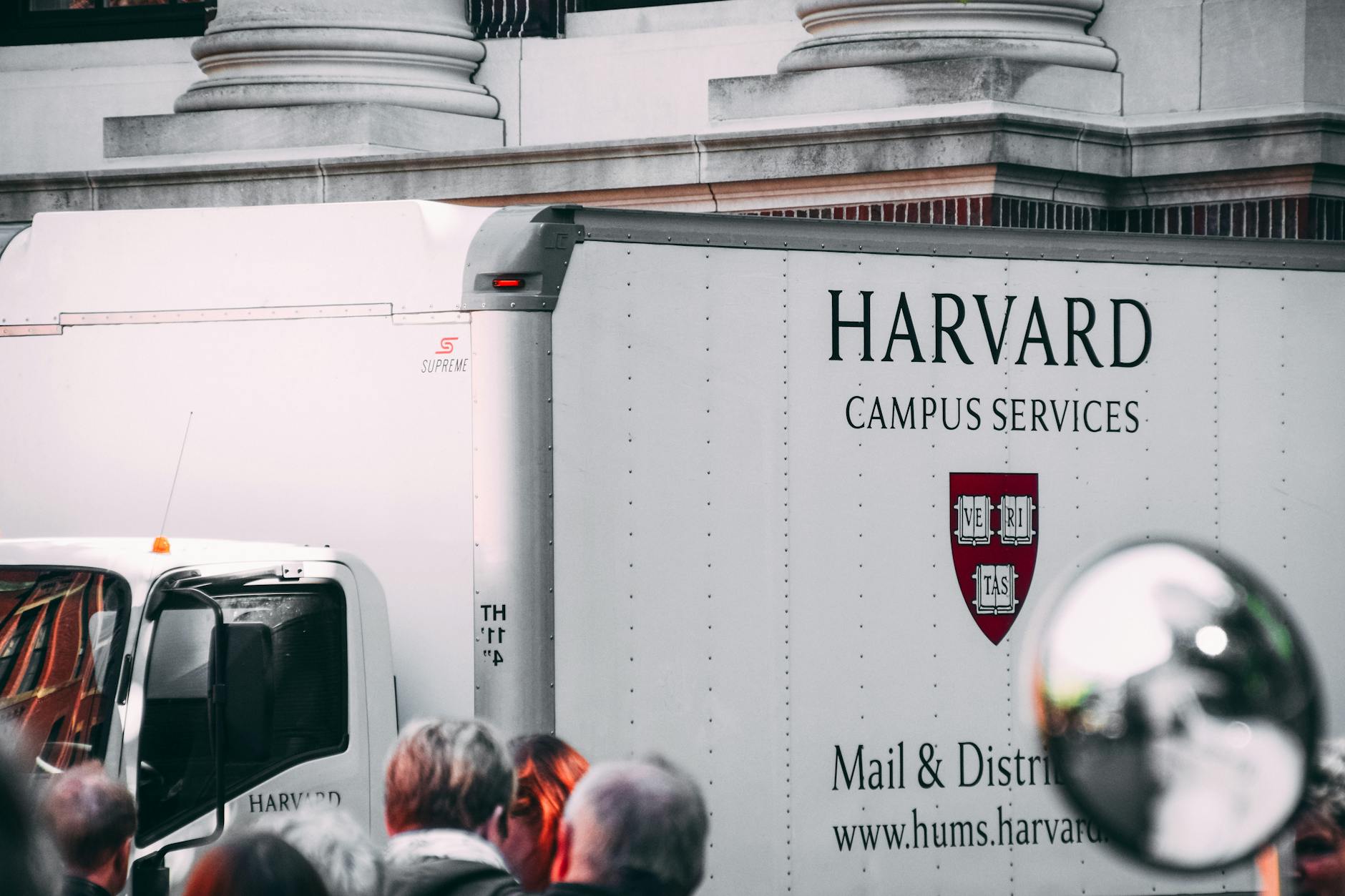
| 3 | Harvard University | Cambridge, MA | Law, Medicine, and Global Influence |
| 4 (tie) | Stanford University | Stanford, CA | Entrepreneurship and Tech Leadership |
| 4 (tie) | Yale University | New Haven, CT | Arts, Humanities, and Law |
| 6 | University of Chicago | Chicago, IL | Economics and Analytical Research |
| 7 | Johns Hopkins University | Baltimore, MD | Medicine, Public Health, and Research |
| 8 | University of Pennsylvania (UPenn) | Philadelphia, PA | Business (Wharton) and Nursing |
| 9 | California Institute of Technology (Caltech) | Pasadena, CA | Specialized Science and Aerospace |
| 10 | Duke University | Durham, NC | Biomedical Engineering and Public Policy |
2. Best STEM & Technology Institutions
If your focus is on the future of Artificial Intelligence, Robotics, or Biotechnology, these schools are the undisputed leaders.
- MIT: Remains the #1 engineering school in the world. It is the hub for cutting-edge AI research in 2026.
- Stanford: The gateway to Silicon Valley. It is unbeatable for students wanting to launch a tech startup.
- Caltech: Extremely small and exclusive. It manages the Jet Propulsion Laboratory (JPL) for NASA.
- Georgia Institute of Technology (Georgia Tech): A public powerhouse that offers elite engineering programs at a more accessible price point.
- Carnegie Mellon University (CMU): Specifically ranked #1 for Computer Science and Cybersecurity.
3. Best Public Universities (The “Public Ivies”)
You don’t need a private school to get an elite education. These public institutions offer “Ivy-level” prestige for a fraction of the cost, especially for in-state residents.
- University of California, Berkeley (UC Berkeley): Often ranked as the #1 public university in the world. It is a leader in physics, chemistry, and social sciences.
- University of California, Los Angeles (UCLA): Known for its massive research budget and highly competitive admissions (receiving over 150,000 applications annually).
- University of Michigan—Ann Arbor: Famous for its “Public Ivy” status and its dominant programs in Business, Law, and Medicine.
- University of Virginia (UVA): Offers a historic campus and a top-ranked undergraduate business program (McIntire).
- University of North Carolina at Chapel Hill (UNC): A leader in medical research and journalism.
4. Why 2026 is a Different Year for Rankings
The landscape has changed recently due to three main factors:
- Test-Optional Shifts: Many schools (like the UCs and some Ivies) no longer require SAT/ACT scores, leading to a surge in applications and record-low acceptance rates (often below 4%).
- AI Integration: Universities like MIT and Stanford have seen their rankings rise because they have integrated AI across all departments, from Philosophy to Physics.
- Outcome-Based Rankings: Modern lists now weigh “Social Mobility” and “Salary after Graduation” more heavily than “Heritage” or “Endowment Size.”
Quick Comparison of “Vibe”
- Choose the Ivy League (Harvard, Yale, Princeton) for: Tradition, networking, and a career in Law or Politics.
- Choose the West Coast (Stanford, Caltech, Berkeley) for: Innovation, Tech, and a more relaxed (but high-pressure) culture.
- Choose the Midwest (Chicago, Northwestern, Michigan) for: Rigorous academics and a strong sense of community.
1. Application Deadlines (Fall 2026 Intake)
Most applications for the 2026-2027 academic year follow these timelines. If you missed the “Early” rounds (which occurred in late 2025), you are likely looking at Regular Decision or future cycles.
| University | Early Action / Decision | Regular Decision | Decision Release |
| Princeton | Nov 1, 2025 (REA) | Jan 1, 2026 | Late March 2026 |
| MIT | Nov 1, 2025 (EA) | Jan 5, 2026 | Mid-March 2026 |
| Harvard | Nov 1, 2025 (REA) | Jan 1, 2026 | Late March 2026 |
| Stanford | Nov 1, 2025 (REA) | Jan 5, 2026 | Early April 2026 |
| Yale | Nov 1, 2025 (REA) | Jan 2, 2026 | Late March 2026 |
Note: “REA” (Restrictive Early Action) means you cannot apply early to other private universities, but the offer is non-binding (you don’t have to go if accepted).
2. Estimated Tuition & Total Cost (2026-2027)
The Total Cost of Attendance (COA) includes tuition, room, board (meals), books, and personal expenses.
| University | Annual Tuition (Est.) | Total COA (Est.) |
| Princeton | $68,140 | $94,624 |
| MIT | $64,310 | $89,340 |
| Harvard | $64,796 | $95,400 |
| Stanford | $67,731 | $96,500 |
| Yale | $69,900 | $94,425 |
3. The “Sticker Price” vs. The Real Cost
In 2026, these universities have expanded their financial aid to make elite education more accessible to the middle class.
- Harvard & Princeton: Both offer Need-Blind Admission for international students. If your family earns less than $100,000, you typically pay $0 (full ride). If you earn up to $200,000, you likely pay no tuition.
- MIT: Families earning under $200,000 generally pay $0 in tuition.
- Stanford: Has recently held tuition steady for some cohorts to combat inflation, ensuring that students from families earning under $150,000 receive significant scholarship coverage.
4. Important Forms for Financial Aid
To be considered for these scholarships, you must submit two main documents by February 2026 (for Regular Decision):
- FAFSA: For federal aid (US Citizens/Residents only).
- CSS Profile: Used by elite private schools to determine institutional aid (required for international students too).