

Ukraine’s Azov Battalion emerged in May 2014 as a volunteer paramilitary unit amid the chaotic early days of Russia’s invasion of Donbas, filling critical gaps in Kyiv’s under-equipped army. Founded by far-right nationalist Andriy Biletsky, it quickly gained notoriety for battlefield successes—and neo-Nazi ties—that continue fueling global debate.
Formation Amid Crisis
The battalion’s origins trace to the 2014 Euromaidan revolution’s aftermath, when Russia annexed Crimea and pro-Moscow separatists seized eastern cities like Donetsk and Luhansk. Biletsky, head of the ultranationalist Patriot of Ukraine group (formed 2005), rallied activists from hooligan circles (Sect 82), Automaidan protesters, and the Social-National Assembly—a neo-Nazi offshoot of Ukraine’s early 2000s skinhead scene.
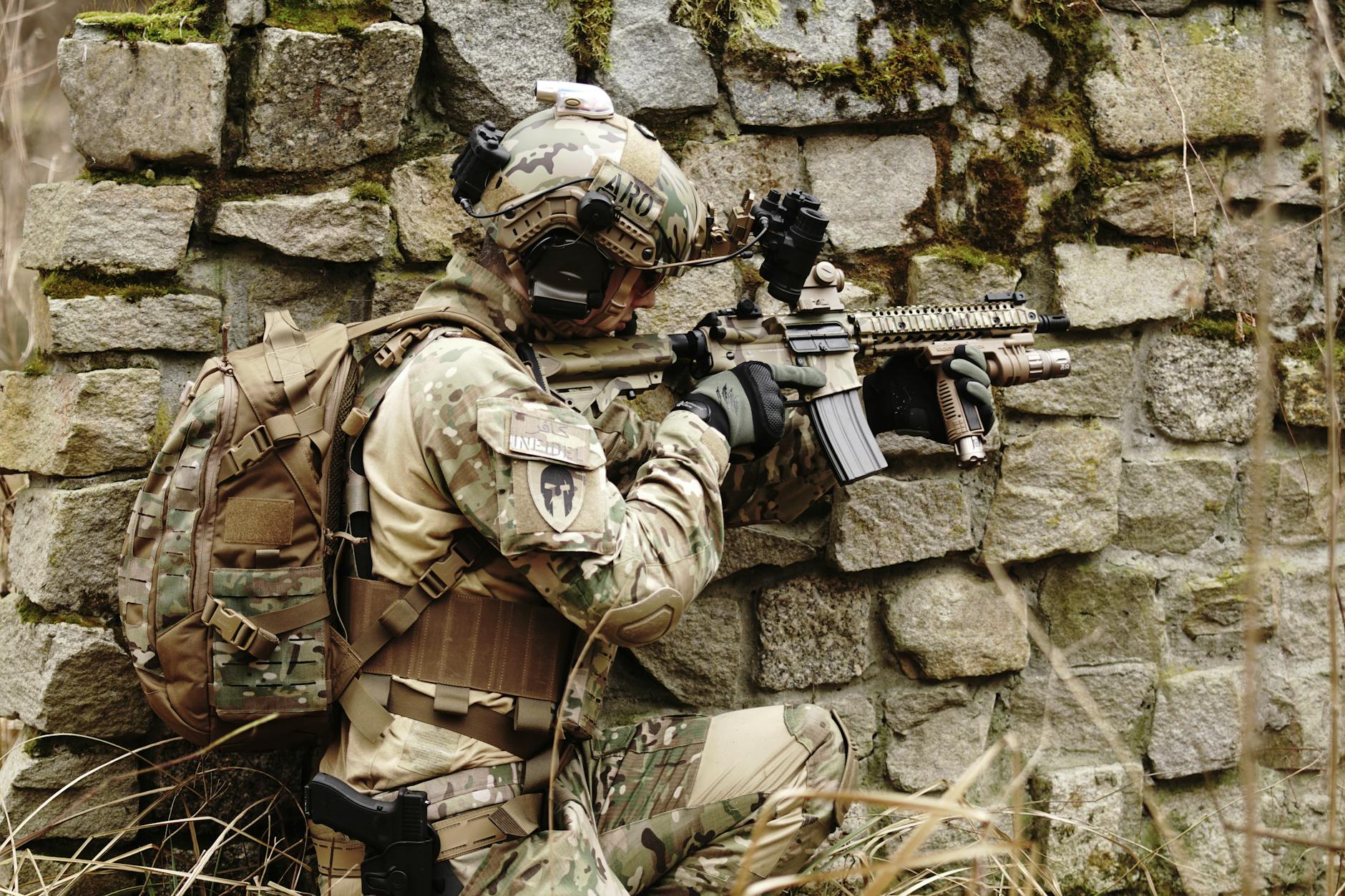
On May 5, 2014, around 50-300 “black men” (for their uniforms) coalesced in Berdyansk under Interior Minister Arsen Avakov’s decree, tasked with special police duties against insurgents. Trained hastily with rifles and light gear, they symbolized desperate civilian mobilization as Ukraine’s military crumbled.
Rapid Rise and Controversies
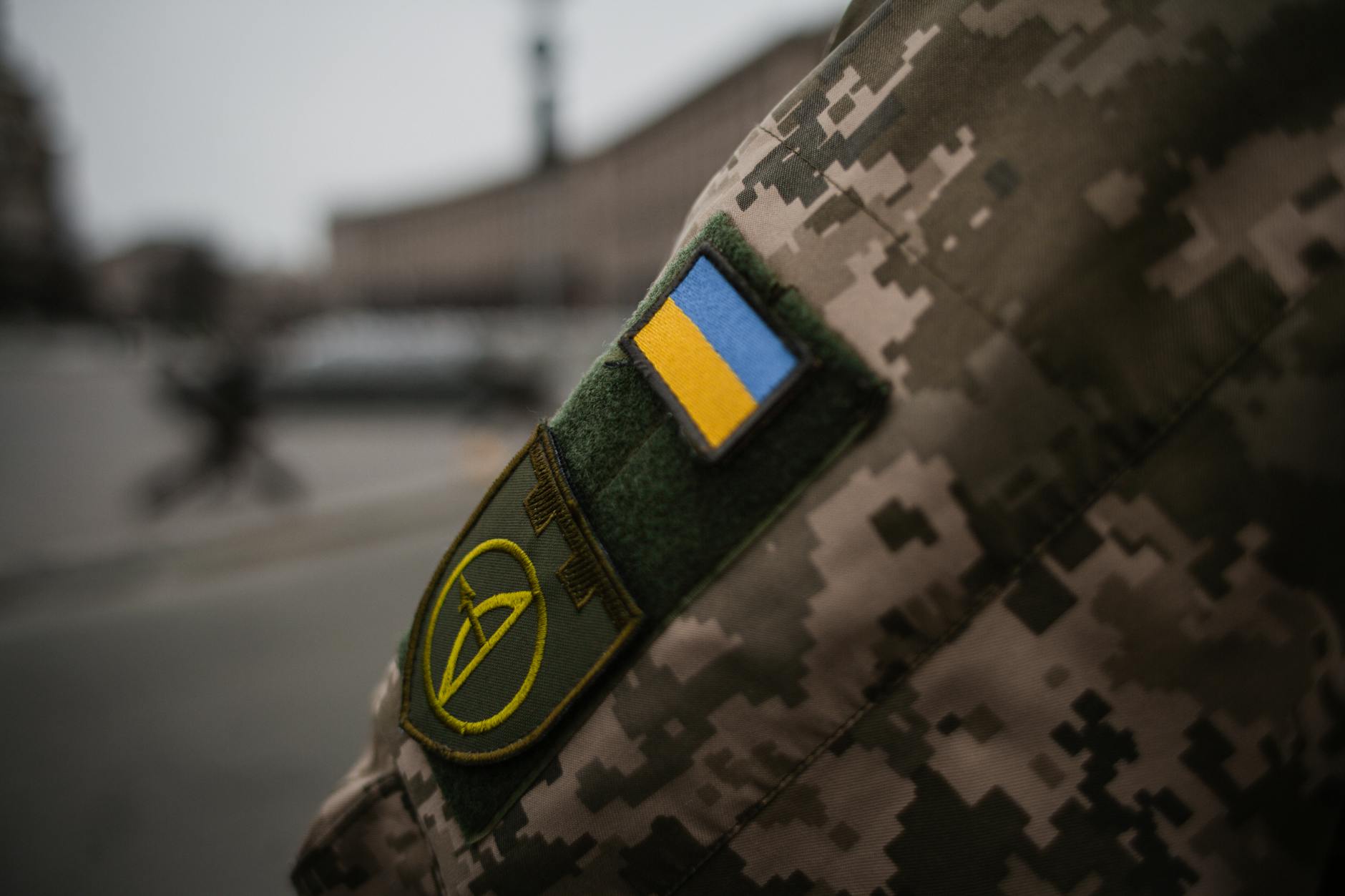
Azov spearheaded the June 2014 recapture of Mariupol from separatists, using hit-and-run tactics that showcased their zeal—and brutality. UN reports later flagged looting, torture allegations, and extremist symbols like the Wolfsangel (SS rune repurposed as the “idea of the nation”) on patches.
By November 2014, integrated as the Azov Regiment (Military Unit 3036) into the National Guard, it professionalized: Biletsky exited for politics (forming the 2% National Corps party), receiving tanks, artillery, and NATO training. From fringe militia to 2,500-strong elite brigade, Azov defended Mariupol in 2022’s siege, earning praise despite bans on U.S. aid until 2024 reforms.
Legacy of Extremism and Redemption
Early neo-Nazi recruitment (10-20% open supremacists) drew sanctions—U.S. labeled it toxic in 2018—but dilution via conscripts and anti-extremism training shifted focus to combat. Tattoos and icons persist in fringes, exploited by Russian propaganda as proof of “Nazi Ukraine,” yet Azov’s role in halting invasions underscores its evolution from radical startup to national asset.