

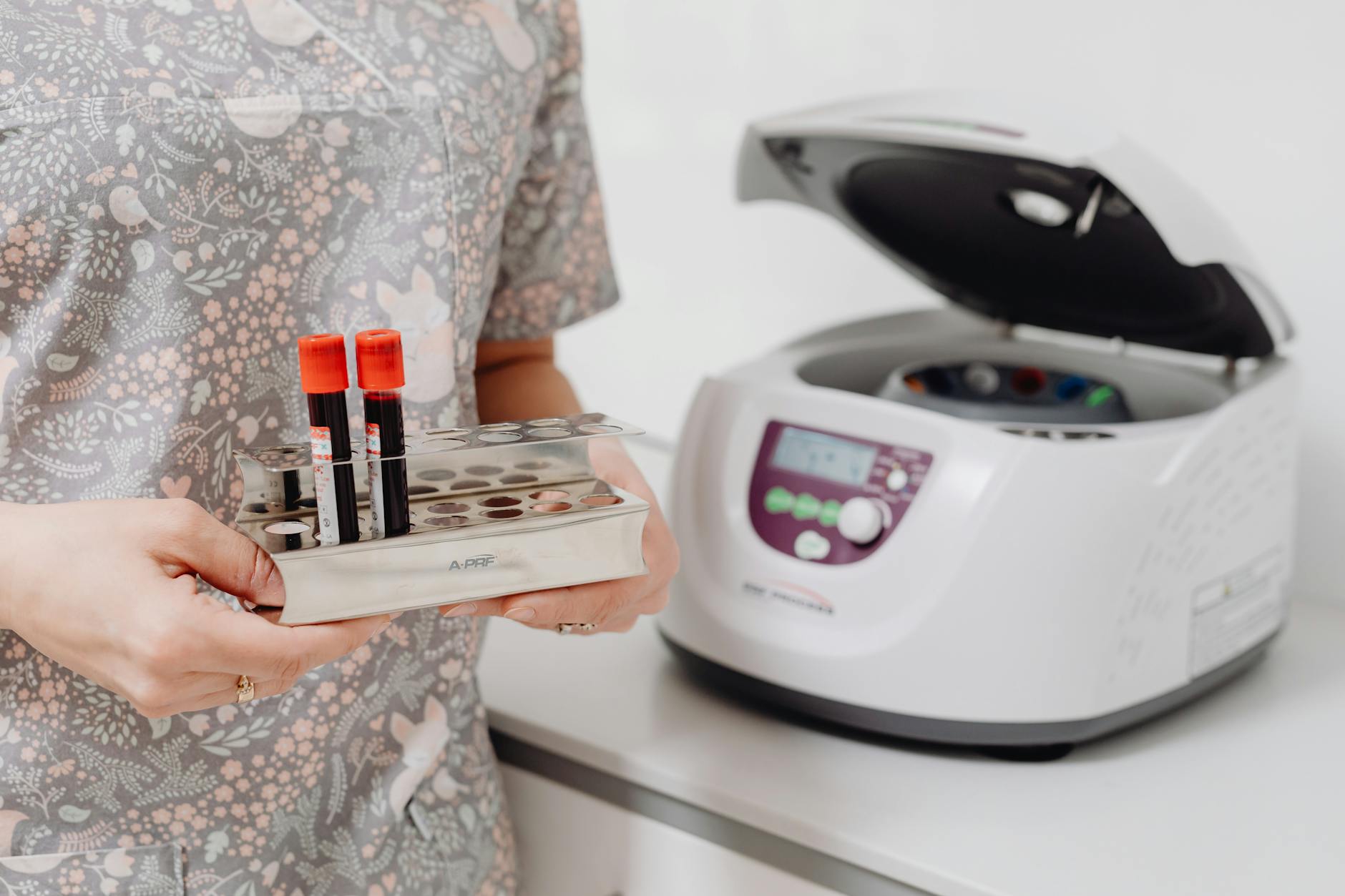
When doctors suspect an infection, they don’t rely only on symptoms or a stethoscope. They order a battery of laboratory tests that, taken together, tell a story about what is happening inside the body and whether a virus, bacteria or another germ is to blame. These results don’t diagnose on their own, but they are powerful clues when combined with a medical history and physical examination.
Blood counts: the first snapshot
One of the most common tests is the complete blood count, or CBC. It measures red blood cells, white blood cells and platelets, and helps doctors see how the immune system is reacting. Very high white blood cell levels can point to a serious bacterial infection, while very low levels may appear in some severe viral illnesses or in patients whose immune system is weakened.
The type of white cell that dominates can also give hints. A rise in neutrophils is more typical of bacterial infections, while increases in lymphocytes and monocytes are often seen in viral diseases such as mononucleosis. Platelets, which help with clotting, may go up in inflammation or fall in serious infections and sepsis, sometimes causing bruising or bleeding.
Inflammation markers: CRP and procalcitonin
Doctors also use blood tests that rise when there is inflammation. C‑reactive protein (CRP) and procalcitonin are two of the best known. CRP is made in the liver and tends to increase within about a day of an infection or injury; it can be high in both bacterial and viral illnesses, so it is useful but not very specific.
Procalcitonin behaves differently. In serious bacterial infections and sepsis, it can rise within a few hours and often reaches its peak earlier than CRP, which makes it especially useful to flag invasive bacterial disease and help doctors decide whether antibiotics are really needed. However, it can also go up after major surgery, trauma or in some other conditions, so results must always be interpreted with the clinical picture in mind.
Chemistry tests: organs under stress
Basic chemistry tests can show whether an infection is damaging organs. Liver enzymes rise when liver cells are injured by viruses such as hepatitis or by a severe general infection. Levels of bilirubin, a breakdown product of red blood cells, can increase in some liver and bile duct infections or in diseases that destroy red blood cells.
Kidney function is monitored with markers such as creatinine and urea. In severe infections and sepsis, the kidneys may be affected early, so tracking these values helps doctors detect organ failure and adjust treatment and drug doses.
Urine tests and spinal fluid: looking for hidden infections
A simple urine dipstick combined with microscopic examination is a fast way to screen for urinary tract infections, especially in children. Looking for white blood cells, bacteria and certain chemicals in the sample gives a very sensitive first check, which is usually confirmed with a urine culture if infection is suspected.
When doctors fear an infection of the brain or spinal cord, they perform a lumbar puncture to analyze the cerebrospinal fluid. They look at the number and type of white cells, sugar and protein levels, and send the sample for culture and rapid molecular tests to differentiate between bacterial and viral meningitis and to guide urgent treatment.
Cultures and PCR: finding the real culprit
Cultures remain the gold standard for many bacterial infections. Blood, urine, spinal fluid and other samples are placed on special media and monitored to see which germs grow, and then tested to find which antibiotics will work. Good sampling technique and rapid transport to the lab are crucial, because contamination or delays can lead to misleading results.
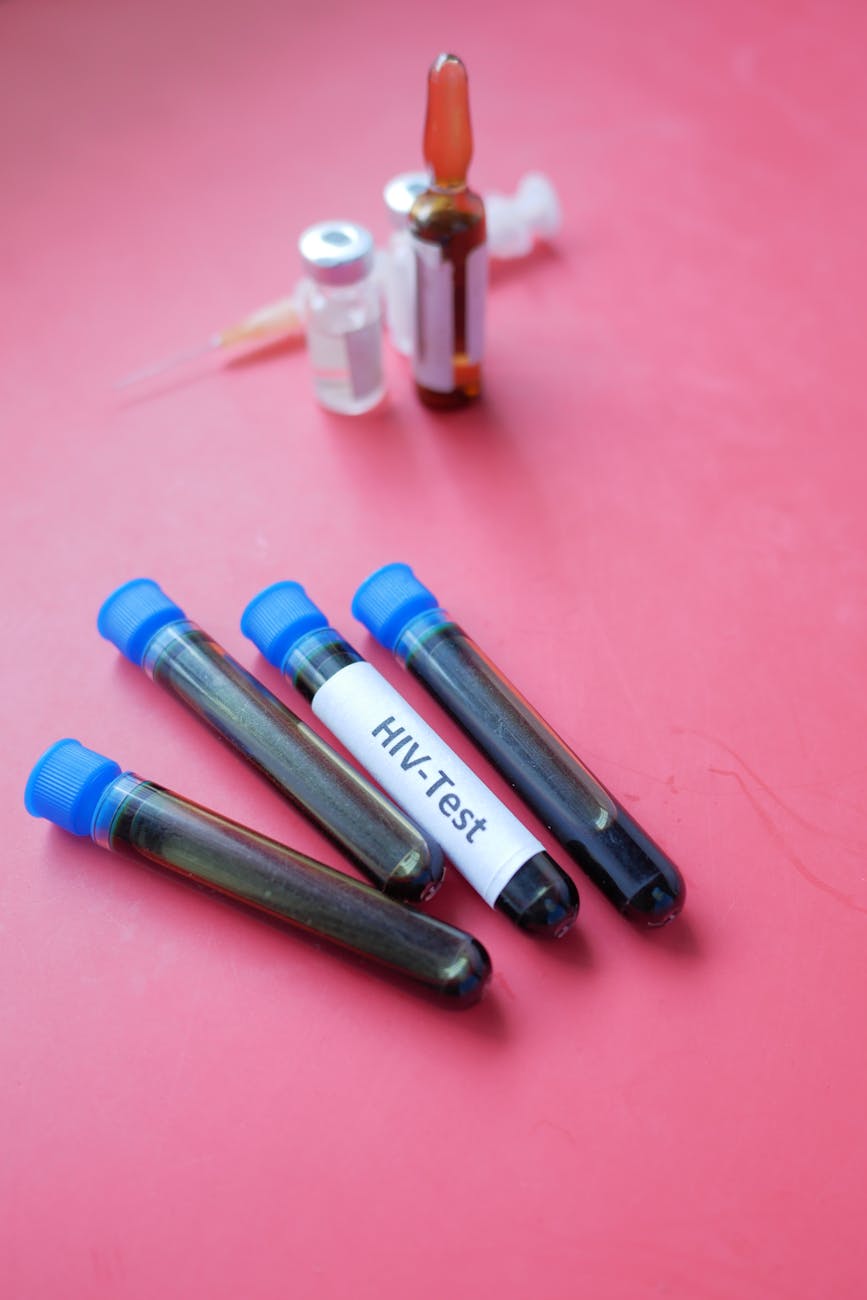
Molecular tests such as PCR (polymerase chain reaction) have transformed infectious disease diagnosis. They detect the genetic material of viruses, bacteria and some parasites, often within hours and even when only tiny amounts of the pathogen are present. During the Covid‑19 pandemic, many people became familiar with PCR, but the same principle is used to diagnose flu, HIV, tuberculosis and many other infections with very high sensitivity.
Why communication with the lab matters
With so many tools available, choosing the right test at the right time is essential. That is why close communication between clinicians, infectious‑disease specialists, microbiologists and laboratory staff is so important to select the most appropriate samples and interpret the results correctly. For patients and families, understanding in simple terms what each test can and cannot show helps reduce anxiety and highlights why, in infections, numbers on a report are only one part of a much bigger diagnostic puzzle.