

The Durand Line Dispute
One of the oldest and most persistent sources of tension is the Durand Line, a 2,640‑kilometer border drawn by the British in 1893. Afghanistan has historically refused to recognize it as an international boundary, arguing that it divides Pashtun tribal lands. Pakistan, however, considers it a legitimate border inherited at independence.
This disagreement has fueled decades of political hostility and periodic border clashes.
Afghanistan’s Early Hostility Toward Pakistan
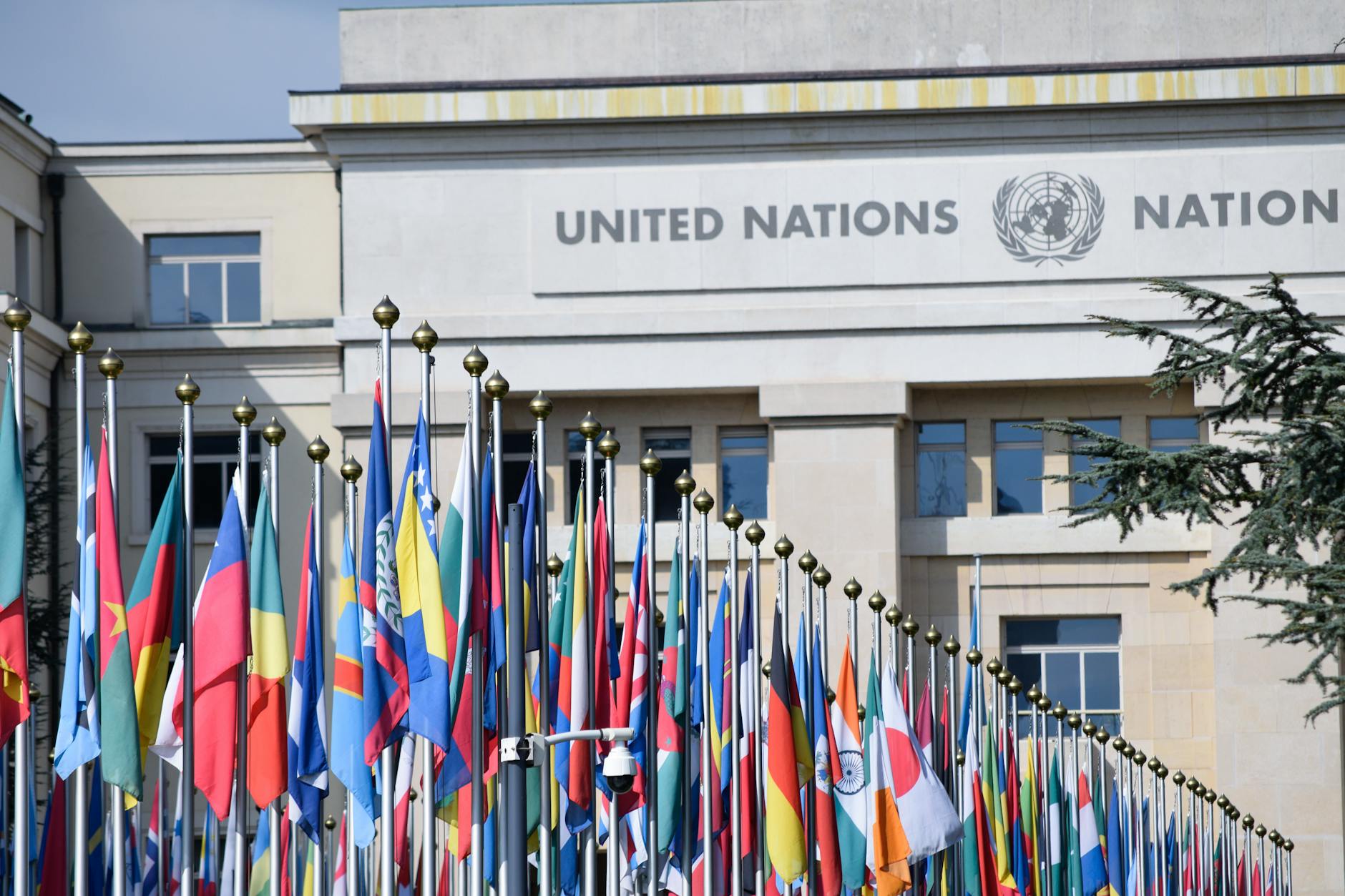
According to academic research, Afghanistan was the only country to vote against Pakistan’s admission to the United Nations in 1947. Afghan leaders feared that Pakistan’s creation would weaken their influence over Pashtun regions and disrupt ethnic unity.
This early mistrust set the tone for decades of strained relations.
The Soviet Invasion and Rise of the Mujahideen
During the 1980s, Pakistan became a frontline state in the U.S.-backed effort to support Afghan Mujahideen fighters against the Soviet Union. Millions of Afghan refugees crossed into Pakistan, and Islamabad gained significant influence over Afghan political factions.
This period strengthened Pakistan’s strategic interest in shaping Afghanistan’s political future.
The Taliban Era (1996–2001)
Pakistan was one of the few countries to recognize the Taliban government in the 1990s. The Taliban’s rise aligned with Pakistan’s desire for a friendly government in Kabul that could provide “strategic depth” against India.
However, this alignment also sowed the seeds for future conflict, especially after 2001.
Post‑2001 Dynamics and the Return of the Taliban
After the U.S. invasion of Afghanistan, Pakistan was accused by Kabul and Washington of providing sanctuary to Taliban fighters. Pakistan denied these claims but acknowledged having limited influence over certain militant groups.
When the Taliban returned to power in 2021, Pakistan initially celebrated the development as a strategic victory.
However, relations quickly deteriorated as the Afghan Taliban refused to curb the Tehrik‑e‑Taliban Pakistan (TTP), a militant group targeting Pakistan.
🔥 2. Immediate Causes of Recent Escalations
Cross‑Border Terrorism
The TTP has carried out numerous attacks inside Pakistan, often operating from Afghan territory. Pakistan accuses the Taliban of harboring or tolerating these militants.
The Taliban denies direct support but has taken limited action against the group.
Border Skirmishes and Military Clashes
Since late 2024, border clashes have intensified, including artillery exchanges and joint attacks involving Taliban fighters and TTP militants.
These incidents have led to casualties on both sides and increased militarization of the border.
Economic and Refugee Pressures
Pakistan hosts millions of Afghan refugees and has periodically threatened mass deportations. Economic strain and political instability have made refugee management a contentious issue.
🌐 3. International Reactions and Positions
The Pakistan–Afghanistan conflict is not isolated; it affects and is influenced by major regional and global powers.
Saudi Arabia and Qatar
These Gulf states have historically played mediating roles. In 2025, they initiated ceasefire negotiations between the two countries, signaling their interest in regional stability.
United States
The U.S. views the conflict through the lens of counterterrorism. Washington has repeatedly urged Pakistan to crack down on militant sanctuaries and has pressured the Taliban to prevent Afghanistan from becoming a base for international terrorism.
China
China has strategic interests in both countries, particularly through the China‑Pakistan Economic Corridor (CPEC). Beijing seeks stability to protect its investments and prevent extremist spillover into Xinjiang.
India
India supports Afghanistan’s sovereignty and has historically had tense relations with Pakistan. New Delhi views instability in Afghanistan as a security threat and a potential opportunity for Pakistan‑based militant groups to gain strength.
Russia and Iran
Both countries maintain pragmatic relations with the Taliban and Pakistan. They seek to limit U.S. influence while preventing extremist groups from destabilizing their borders.
🗣️ 4. Arguments of Leaders on Both Sides
Pakistan’s Position
Pakistani leaders argue that:
- The Afghan Taliban must prevent TTP militants from using Afghan soil to attack Pakistan.
- Border fencing along the Durand Line is necessary for national security.
- Afghanistan’s refusal to recognize the border fuels instability.
- Pakistan has sacrificed greatly in the fight against terrorism and deserves international support.
Pakistan also claims that its influence over the Taliban is overstated and that Kabul must take responsibility for its internal security.
Afghanistan’s Position
Taliban leaders counter that:
- Pakistan’s border fencing violates historical tribal movement rights.
- The TTP issue is Pakistan’s internal problem, not Afghanistan’s.
- Pakistan interferes too much in Afghan politics.
- Afghanistan seeks sovereignty free from foreign influence.
The Taliban also accuse Pakistan of conducting cross‑border strikes that violate Afghan territory.
🧭 5. Why the Conflict Persists
The Pakistan–Afghanistan conflict endures because it is rooted in:
- Historical grievances (Durand Line, ethnic divisions)
- Security dilemmas (TTP vs. Taliban factions)
- Competing regional interests (India, China, U.S.)
- Weak governance and economic instability
- Mutual mistrust and failed diplomacy
Negotiations have repeatedly stalled, and both sides accuse the other of acting in bad faith.