

Advertisement

Peru’s Fragile Vote: What the 2026 Elections Reveal About a Democracy Under Strain

Peru’s Fragile Vote: What the 2026 Elections Reveal About a Democracy Under Strain Peru’s 2026 general elections were meant to mark a turning point after years of political turbulence, presidential turnover, and institutional distrust. Instead, they exposed once again the fragility of the country’s democratic infrastructure. With more than 27 million citizens called to choose among an unprecedented 35 presidential candidates, the election was already set to be one of the most complex in Peru’s modern history. But the problems that emerged on election day—especially the closure of polling stations in several regions—added a new layer of concern to an already strained political environment. While official results are still being processed and no winner has been certified, the conduct of the election itself has become a central topic of debate. The logistical failures, the uneven distribution of resources, and the inability to keep all voting centers open throughout the day have raised questions about the state’s capacity to guarantee equal participation. These issues matter not only for the legitimacy of the vote but also for Peru’s broader democratic trajectory. To understand the implications of these elections, it is necessary to examine three interconnected dimensions: the structural weaknesses of Peru’s electoral system, the political fragmentation that defines the current landscape, and the broader geopolitical context in which Peru now operates. 1. A System Under Pressure: The Problem of Closed Polling Stations One of the most troubling aspects of the 2026 elections was the closure of multiple polling stations, particularly in rural and geographically isolated areas. Reports from local observers described situations where voting centers opened late, lacked sufficient staff, or were unable to operate due to logistical failures. In some cases, citizens arrived after traveling long distances only to find that their assigned station had shut down or never opened at all. These problems are not entirely new. Peru’s geography—mountainous, fragmented, and often difficult to access—has always posed challenges for electoral logistics. But the scale of the closures in 2026 suggests deeper structural issues: Insufficient staffing: Many polling stations lacked the minimum number of officials required to operate. Resource shortages: Ballots, voting materials, and transportation support were unevenly distributed. Security concerns: In some regions, local tensions or protests disrupted the normal functioning of voting centers. Administrative overload: With 35 presidential candidates and a complex ballot structure, the system was stretched beyond its capacity. These failures disproportionately affected rural voters, who already face higher barriers to participation. In a country where voting is mandatory and fines are imposed for non‑participation, the closure of polling stations creates a paradox: citizens are legally required to vote, yet the state does not always provide the conditions necessary for them to do so. The consequences are significant. When large numbers of citizens are unable to cast their ballots, the legitimacy of the electoral process is weakened. Moreover, the perception of unequal access fuels distrust in institutions—something Peru can ill afford after years of political instability. 2. A Fragmented Political Landscape The logistical problems of the election cannot be separated from the broader political context. Peru’s political system has become increasingly fragmented, with dozens of parties competing for influence and no clear ideological blocs capable of providing stability. The 2026 election, with its record number of presidential candidates, reflects this fragmentation. Several factors contribute to this environment: Weak party structures: Many political organizations in Peru are built around individual personalities rather than long‑term ideological projects. High turnover of leadership: Frequent changes in government have prevented the consolidation of stable political platforms. Public distrust: Surveys consistently show that a large majority of Peruvians view political institutions as corrupt or ineffective. Regional divides: The political preferences of Lima differ sharply from those of the Andean south, the Amazon, and the northern coast. This fragmentation has two major consequences. First, it makes it extremely difficult for any candidate to secure a majority in the first round, making a second round almost inevitable. Second, it complicates governance. Even after a president is elected, building a stable coalition in Congress becomes a near‑impossible task. The closure of polling stations only amplifies these tensions. In a fragmented system, every vote carries more weight. When citizens are prevented from voting, even unintentionally, the balance of power can shift in unpredictable ways. 3. A Democracy Tested by Geography and Inequality Peru’s electoral challenges cannot be understood without acknowledging the country’s deep social and territorial inequalities. Rural communities often face long travel times, limited transportation, and poor infrastructure. When polling stations close or fail to open, these communities are disproportionately affected. This dynamic reinforces a long‑standing divide: Urban Peru, especially Lima, tends to have better access to services, more stable voting conditions, and greater political influence. Rural Peru, particularly in the Andean and Amazonian regions, faces structural barriers that limit participation and representation. The closure of polling stations in 2026 is therefore not just a logistical failure—it is a democratic one. It highlights the unevenness of the state’s presence across the country and the persistent gap between legal obligations and practical realities. 4. The Geopolitical Context: A Region in Flux Peru’s elections also take place in a broader regional and global context. Latin America is experiencing a period of political volatility, with shifting alliances, economic pressures, and growing geopolitical competition. International actors—including the United States, China, and the European Union—are watching Peru closely due to its strategic position, natural resources, and role in regional trade networks. The credibility of Peru’s electoral process matters for its international standing. Countries seeking investment or diplomatic engagement look for stability and predictability. When elections are marred by logistical failures, it raises concerns about governance capacity and long‑term reliability. Conclusion: A Warning Sign for Peru’s Democratic Future The 2026 elections were meant to offer Peru a chance to reset after years of political turmoil. Instead, they revealed the fragility of the country’s democratic infrastructure. The closure of polling stations, the fragmentation of the political landscape, and the persistent inequalities that shape voter participation all point to deeper structural problems. While the final results have not yet been certified and no winner has been officially declared, the conduct of the election itself has become a central issue. For Peru to move forward, it will need not only political renewal but also a serious investment in electoral capacity, institutional trust, and equal access to democratic participation. The 2026 vote is not just a snapshot of a single election—it is a warning sign about the future of Peruvian democracy.

Peru’s 2026 general elections were meant to mark a turning point after years of political turbulence, presidential turnover, and institutional distrust. Instead, they exposed once again the fragility of the country’s democratic infrastructure. With more than 27 million citizens called to choose among an unprecedented 35 presidential candidates, the election was already set to be one of the most complex in Peru’s modern history. But the problems that emerged on election day—especially the closure of polling stations in several regions—added a new layer of concern to an already strained political environment.

While official results are still being processed and no winner has been certified, the conduct of the election itself has become a central topic of debate. The logistical failures, the uneven distribution of resources, and the inability to keep all voting centers open throughout the day have raised questions about the state’s capacity to guarantee equal participation. These issues matter not only for the legitimacy of the vote but also for Peru’s broader democratic trajectory.

To understand the implications of these elections, it is necessary to examine three interconnected dimensions: the structural weaknesses of Peru’s electoral system, the political fragmentation that defines the current landscape, and the broader geopolitical context in which Peru now operates.

1. A System Under Pressure: The Problem of Closed Polling Stations

One of the most troubling aspects of the 2026 elections was the closure of multiple polling stations, particularly in rural and geographically isolated areas. Reports from local observers described situations where voting centers opened late, lacked sufficient staff, or were unable to operate due to logistical failures. In some cases, citizens arrived after traveling long distances only to find that their assigned station had shut down or never opened at all.

These problems are not entirely new. Peru’s geography—mountainous, fragmented, and often difficult to access—has always posed challenges for electoral logistics. But the scale of the closures in 2026 suggests deeper structural issues:

  • Insufficient staffing: Many polling stations lacked the minimum number of officials required to operate.
  • Resource shortages: Ballots, voting materials, and transportation support were unevenly distributed.
  • Security concerns: In some regions, local tensions or protests disrupted the normal functioning of voting centers.
  • Administrative overload: With 35 presidential candidates and a complex ballot structure, the system was stretched beyond its capacity.

These failures disproportionately affected rural voters, who already face higher barriers to participation. In a country where voting is mandatory and fines are imposed for non‑participation, the closure of polling stations creates a paradox: citizens are legally required to vote, yet the state does not always provide the conditions necessary for them to do so.

The consequences are significant. When large numbers of citizens are unable to cast their ballots, the legitimacy of the electoral process is weakened. Moreover, the perception of unequal access fuels distrust in institutions—something Peru can ill afford after years of political instability.

2. A Fragmented Political Landscape

The logistical problems of the election cannot be separated from the broader political context. Peru’s political system has become increasingly fragmented, with dozens of parties competing for influence and no clear ideological blocs capable of providing stability. The 2026 election, with its record number of presidential candidates, reflects this fragmentation.

Several factors contribute to this environment:

  • Weak party structures: Many political organizations in Peru are built around individual personalities rather than long‑term ideological projects.
  • High turnover of leadership: Frequent changes in government have prevented the consolidation of stable political platforms.
  • Public distrust: Surveys consistently show that a large majority of Peruvians view political institutions as corrupt or ineffective.
  • Regional divides: The political preferences of Lima differ sharply from those of the Andean south, the Amazon, and the northern coast.

This fragmentation has two major consequences. First, it makes it extremely difficult for any candidate to secure a majority in the first round, making a second round almost inevitable. Second, it complicates governance. Even after a president is elected, building a stable coalition in Congress becomes a near‑impossible task.

The closure of polling stations only amplifies these tensions. In a fragmented system, every vote carries more weight. When citizens are prevented from voting, even unintentionally, the balance of power can shift in unpredictable ways.

3. A Democracy Tested by Geography and Inequality

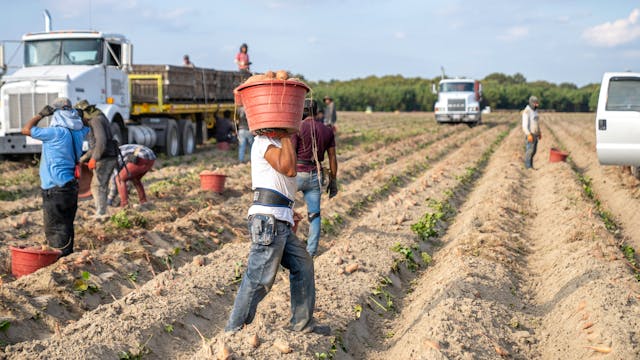
Peru’s electoral challenges cannot be understood without acknowledging the country’s deep social and territorial inequalities. Rural communities often face long travel times, limited transportation, and poor infrastructure. When polling stations close or fail to open, these communities are disproportionately affected.

This dynamic reinforces a long‑standing divide:

  • Urban Peru, especially Lima, tends to have better access to services, more stable voting conditions, and greater political influence.
  • Rural Peru, particularly in the Andean and Amazonian regions, faces structural barriers that limit participation and representation.

The closure of polling stations in 2026 is therefore not just a logistical failure—it is a democratic one. It highlights the unevenness of the state’s presence across the country and the persistent gap between legal obligations and practical realities.

4. The Geopolitical Context: A Region in Flux

Peru’s elections also take place in a broader regional and global context. Latin America is experiencing a period of political volatility, with shifting alliances, economic pressures, and growing geopolitical competition. International actors—including the United States, China, and the European Union—are watching Peru closely due to its strategic position, natural resources, and role in regional trade networks.

The credibility of Peru’s electoral process matters for its international standing. Countries seeking investment or diplomatic engagement look for stability and predictability. When elections are marred by logistical failures, it raises concerns about governance capacity and long‑term reliability.

Conclusion: A Warning Sign for Peru’s Democratic Future

The 2026 elections were meant to offer Peru a chance to reset after years of political turmoil. Instead, they revealed the fragility of the country’s democratic infrastructure. The closure of polling stations, the fragmentation of the political landscape, and the persistent inequalities that shape voter participation all point to deeper structural problems.

While the final results have not yet been certified and no winner has been officially declared, the conduct of the election itself has become a central issue. For Peru to move forward, it will need not only political renewal but also a serious investment in electoral capacity, institutional trust, and equal access to democratic participation.

The 2026 vote is not just a snapshot of a single election—it is a warning sign about the future of Peruvian democracy.
Author