

Armed conflict continues to shape global politics in 2026. According to updated conflict trackers, there are over 40 active armed conflicts worldwide, ranging from full‑scale wars to insurgencies and regional crises. Some are long‑running civil wars, others are new escalations driven by political instability, terrorism, or territorial disputes.
This article provides a clear, non‑plagiarized summary of the major active wars, explaining their origins, actors, and current status. It is optimized for SEO with keywords such as active wars 2026, global conflicts, current wars, and international crises.
🌍 1. Ukraine War
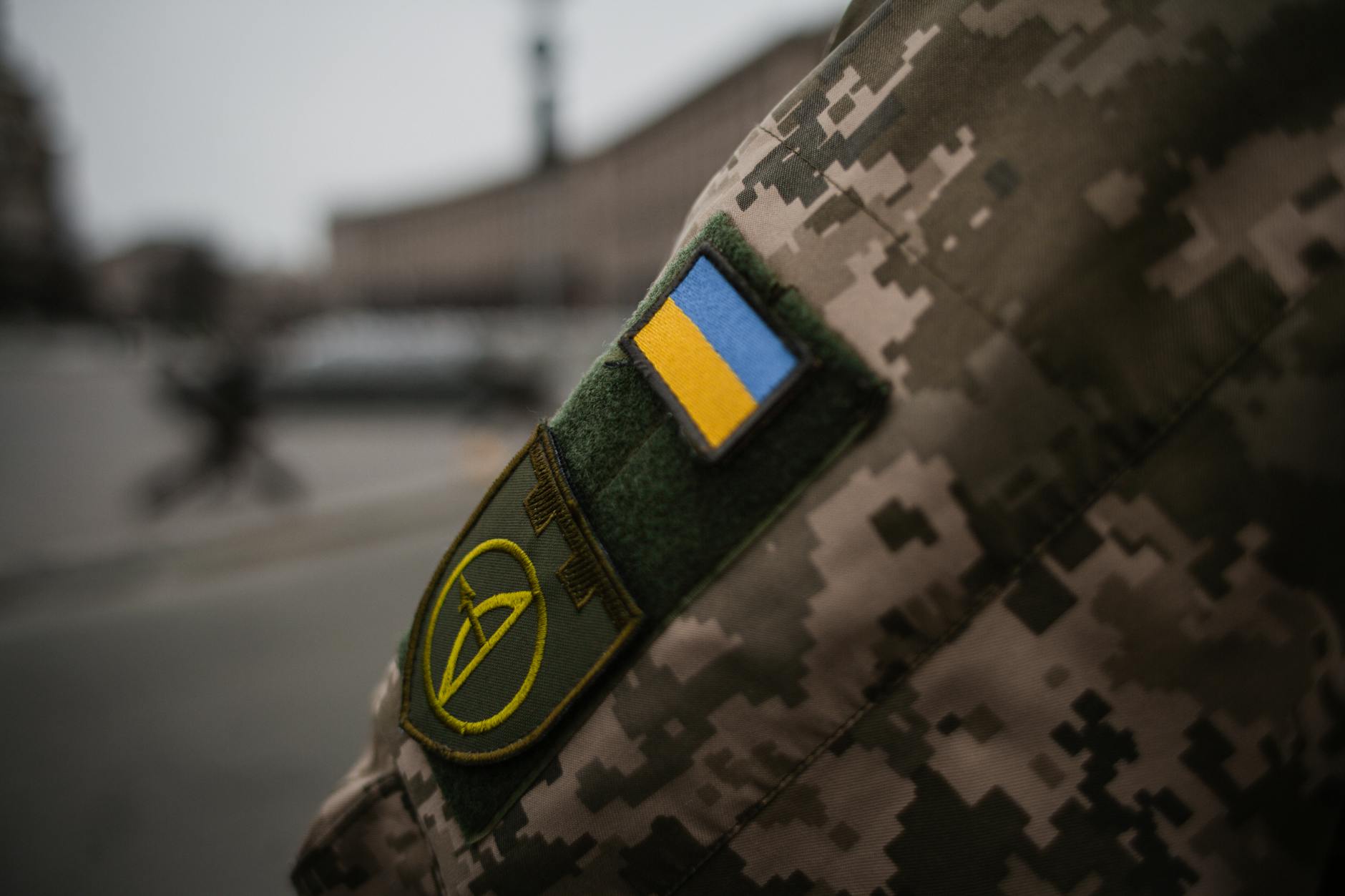
The war in Ukraine remains one of the deadliest conflicts in the world, with an estimated 77,000+ casualties in the last 12 months. The conflict began in 2014 and escalated dramatically in 2022 with Russia’s full‑scale invasion.
Key Issues
- Territorial control of eastern Ukraine and Crimea
- NATO expansion concerns
- Massive humanitarian displacement
Current Status
Fighting continues along the eastern front, with no comprehensive peace agreement in sight.
🌍 2. Sudan Civil War
Sudan is experiencing one of the world’s worst humanitarian crises. The conflict between the Sudanese Armed Forces and the Rapid Support Forces has caused over 19,000 casualties in the past year.
Key Issues
- Power struggle between military factions
- Ethnic violence in Darfur
- Collapse of state institutions
Current Status
Urban warfare continues in Khartoum and other regions, with millions displaced.
🌍 3. Israel–Palestine–Lebanon–Syria Regional War
The Middle East remains highly unstable, with a regional war involving Israel, Palestine, Lebanon, Syria, and other actors. This conflict is categorized as a major war and has caused over 28,000 casualties in 2025 alone.
Key Issues
- Israeli–Palestinian conflict
- Hezbollah–Israel tensions
- Syrian instability
Current Status
Cross‑border strikes, militia activity, and political fragmentation continue to fuel violence.
🌍 4. Myanmar Civil War
Myanmar’s civil war is one of the longest-running conflicts in the world, active since 1948. It remains a major war, with over 15,000 casualties in 2025.
Key Issues
- Military junta vs. ethnic armed groups
- Pro‑democracy resistance
- Foreign influence from neighboring states
Current Status
Rebel forces have gained territory, and the junta faces growing internal pressure.
🌍 5. Somalia Civil War
Somalia’s conflict, ongoing since 1991, continues to destabilize the Horn of Africa. It is classified as a major war, with over 10,000 casualties in 2025.
Key Issues
- Al‑Shabaab insurgency
- Weak central government
- Regional clan rivalries
Current Status
Kenya remains involved due to cross‑border attacks, and counterterrorism operations continue.
🌍 6. Democratic Republic of Congo Conflicts
The DRC faces multiple overlapping conflicts involving militias, ethnic groups, and neighboring countries. The war has caused 7,700–10,000+ casualties in 2025.
Key Issues
- Rebel groups in eastern Congo
- Rwandan and Ugandan involvement
- Resource exploitation
Current Status
Violence persists in North Kivu and Ituri, with limited progress toward peace.
🌍 7. Sahel Islamist Insurgency
The Sahel region—Mali, Burkina Faso, Niger, Nigeria, and others—is engulfed in a major Islamist insurgency. It caused over 21,000 casualties in 2025.
Key Issues
- Jihadist groups linked to ISIS and al‑Qaeda
- Military coups
- Ethnic tensions
Current Status
Violence continues to spread, and international peacekeeping efforts have struggled.
🌍 8. Mexican Drug War
Mexico’s drug war is classified as a major war, with 8,700–10,700 casualties in 2025.
Key Issues
- Cartel violence
- U.S.–Mexico border security
- Government anti‑cartel operations
Current Status
Cartel fragmentation has increased violence, affecting multiple regions.
🌍 9. Nigeria Insurgency
Nigeria faces multiple insurgencies, including Boko Haram and ISIS‑West Africa. The conflict caused nearly 12,000 casualties in the past year.
Key Issues
- Islamist extremism
- Ethnic and religious tensions
- Weak governance
Current Status
Attacks continue in the northeast and central regions.
🌍 10. Iraq Insurgency
Iraq continues to experience terrorist insurgency and political unrest.
Key Issues
- ISIS remnants
- Sectarian divisions
- Political instability
Current Status
Security forces conduct regular counterterrorism operations.
🌍 11. Bangladesh Insurgency
Bangladesh faces low‑intensity insurgency and terrorist activity.
Key Issues
- Islamist extremist cells
- Rohingya refugee tensions
Current Status
Violence remains sporadic but persistent.
🌍 12. Iran Insurgency
Iran experiences insurgent attacks in border regions.
Key Issues
- Ethnic separatism
- Political repression
Current Status
Security forces maintain heavy control.
🌍 13. Thailand Insurgency
Southern Thailand faces a long‑running separatist insurgency.
Key Issues
- Malay Muslim separatism
- Military presence
Current Status
Low‑intensity conflict continues.
🌍 14. Algeria, Tunisia, Morocco, and North African Insurgencies
Several North African countries face terrorist insurgencies.
Key Issues
- Islamist extremist groups
- Border insecurity
Current Status
Governments maintain counterterrorism operations.
🌍 15. Cameroon, Niger, Mali, Burkina Faso, Chad, Benin, Rwanda, Ivory Coast
These African nations face varying levels of insurgency and political unrest.
Key Issues
- Jihadist expansion
- Ethnic conflict
- Weak state institutions
Current Status
Violence remains widespread across the region.
🌍 16. Additional Global Tension Zones
According to global conflict maps, there are over 40 active conflicts and 28 tension zones worldwide. These include:
- Border disputes
- Political crises
- Nuclear risk zones
- Maritime tensions
While not all are full‑scale wars, they contribute to global instability.
🧭 Conclusion: A World Still in Conflict
In 2026, the world faces a complex landscape of wars and insurgencies. From major wars like Ukraine, Sudan, and Myanmar to regional insurgencies across Africa and Asia, conflict remains a defining feature of global politics.
Understanding these wars is essential for policymakers, researchers, and anyone seeking to grasp the forces shaping international relations today.