
In a landmark decision that could resonate far beyond Europe, Spain’s Supreme Court has formally acknowledged that the work of social‑media content moderators can cause serious psychiatric illness—and that the companies behind these platforms bear a labor‑law duty to protect their workers.
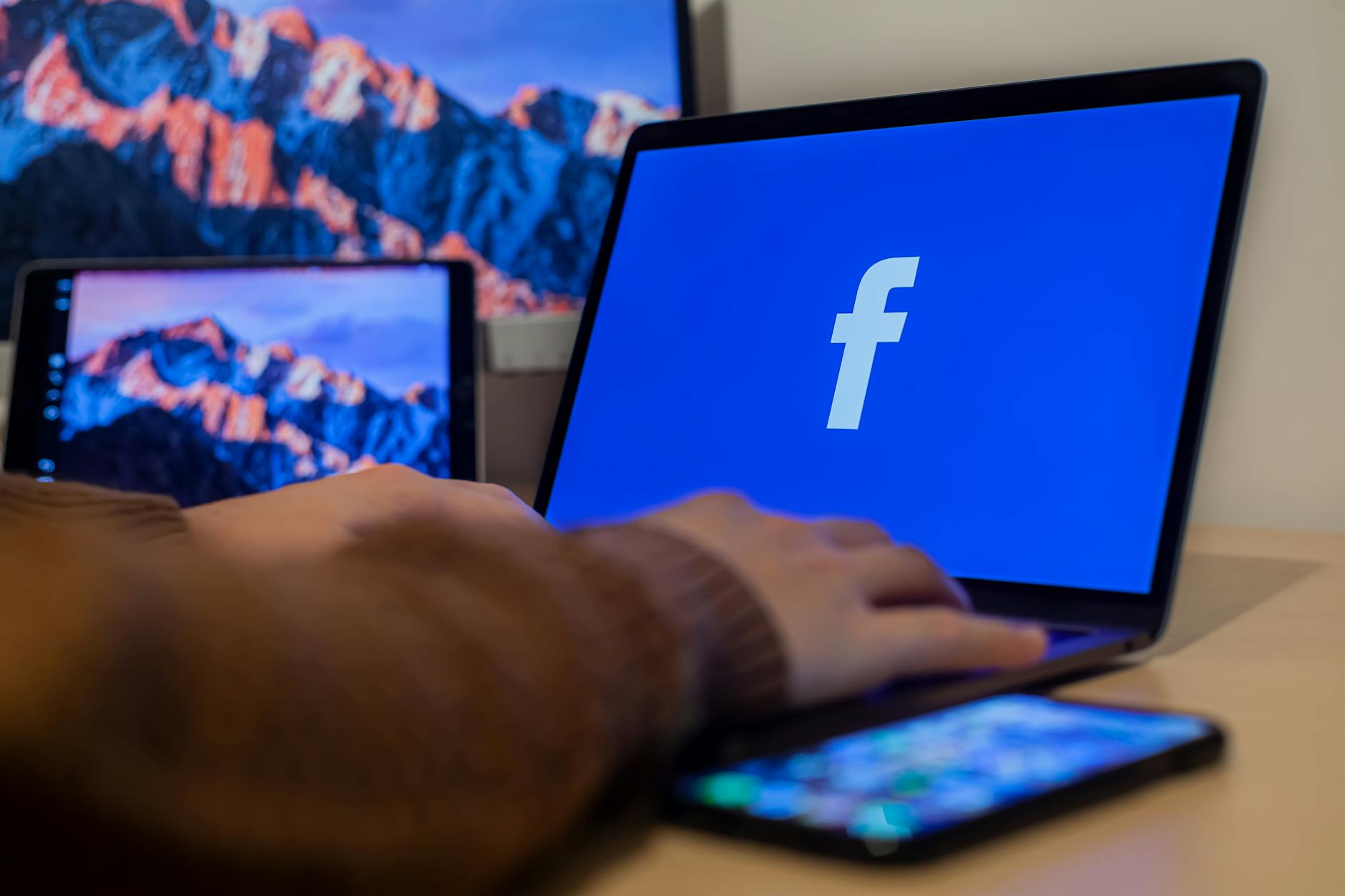
The ruling centers on a young man, born in Brazil in 1997, who started working in 2018 for CCC Digital Services (a contractor later owned by Telus International) in Barcelona, hired by Meta to staff a content‑moderation center for Facebook, Instagram and Messenger inside the Torre Glòries. In that role, he was exposed daily to the worst of human cruelty: terrorism videos, murders, mutilations, torture, zoophilia, pedophilia and other extreme graphic material.
By late 2018, just months into the job, he began suffering severe psychological distress: anxiety, nightmares, panic attacks, fear of death, sleep disruption and isolation. The court, drawing on medical reports, concluded that his psychiatric condition resulted directly from his work, not from some general, pre‑existing “common illness.” As a result, the court classified his sick leave as an occupational injury under Spanish labor law and ordered the contractor—CCC/Telus—to assume responsibility for compensation and treatment.
From a U.S. perspective, the case raises uncomfortable questions about the hidden human cost of “clean” feeds. In the United States, content moderation has long been treated mostly as a logistical or ethical issue: who gets to remove content, what counts as “extremism,” and how platforms govern speech. But Spain’s highest court is now saying something different: this work is, in effect, a form of repetitive psychological exposure to trauma, more akin to certain high‑risk service jobs than to an ordinary office position.
Already, nearly 350 former and current Meta moderators in Barcelona have filed complaints, alleging that the exposure to “terrorist images,” decapitations, suicides, sexual violence and child abuse led to PTSD‑like symptoms, depression, anxiety and severe sleep disorders. Many say they were given little training, almost no psychological support, and no real safety protocols for handling such extreme material—despite the fact that the risks were foreseeable.
For American observers, this Spanish precedent is a warning sign: as Big Tech strengthens its reliance on outside contractors and offshore moderation hubs, the mental health burden is being externalized onto the most vulnerable workers. Spain’s ruling implies that companies can no longer pretend that trauma is just part of “the job”; instead, they must design real workplace protections, mental‑health support and trauma‑informed practices, or face liability when workers become psychologically injured.
From a U.S. labor‑relations angle, the case also highlights a stark double standard: workers in some countries are treated simply as “outsourced screeners” without robust safety nets, while engineers and corporate staff enjoy significantly stronger protections. The Spanish Supreme Court’s decision may encourage similar legal actions elsewhere, pressing platforms to confront one uncomfortable truth about the social‑media era: for many young people, the real cost of keeping the internet “safe” is their own mental health.