

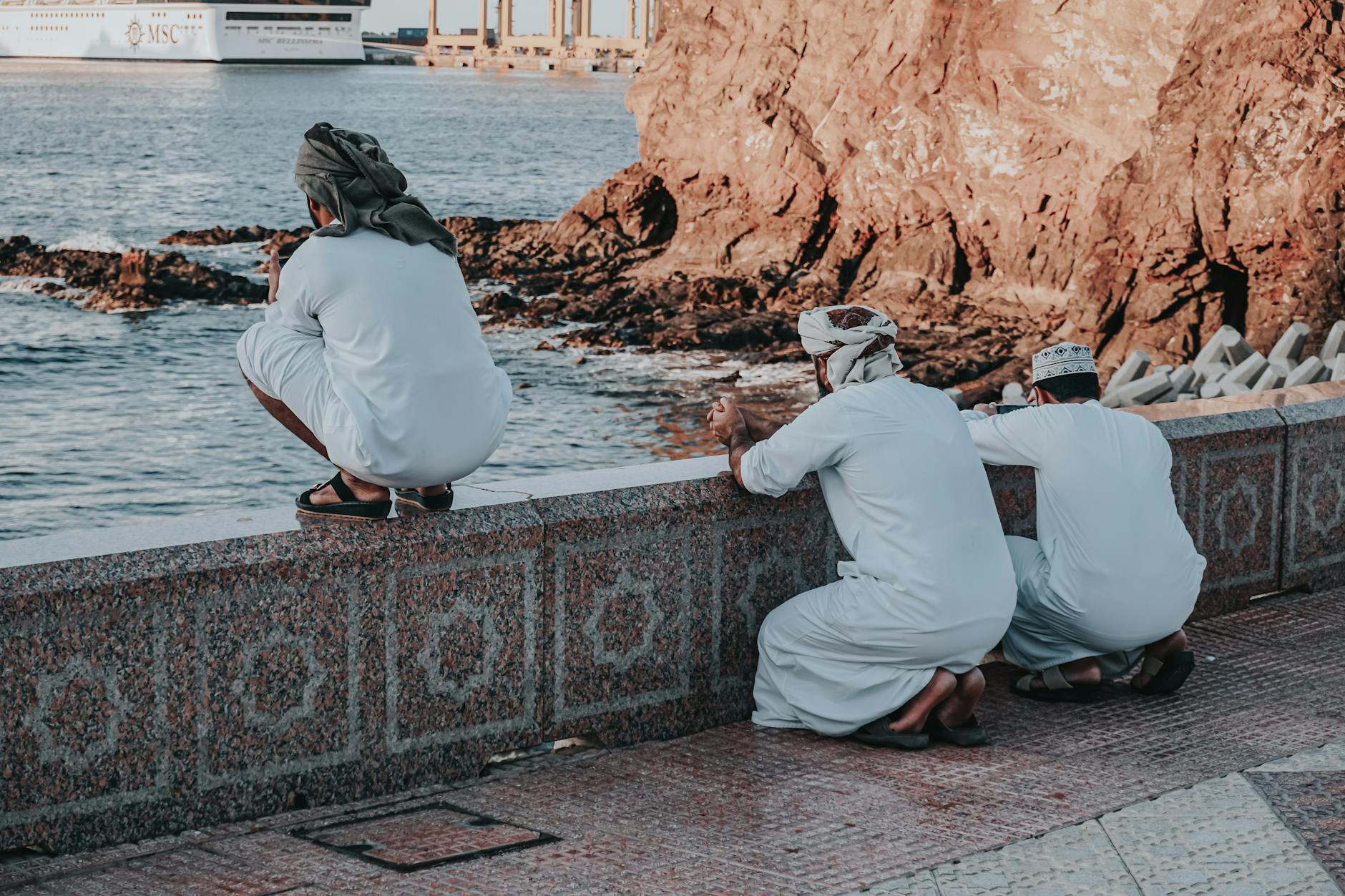
Over the past decades, the small sultanate of Oman has quietly become one of the most influential mediators in the Middle East. Despite its limited size and population, Oman has repeatedly positioned itself as a neutral, trusted broker between powerful and often hostile actors across the region. From Iran and the United States to Yemen and the wider Gulf states, Oman’s diplomacy has relied on discretion, consistency and what many analysts call “quiet diplomacy.”
Neutrality as a Core Strategy
Oman’s foreign policy has long been defined by active neutrality rather than strict non‑alignment. Under the late Sultan Qaboos bin Said, the country cultivated strong ties with both Western powers and neighboring Arab states, while also maintaining a working relationship with Iran—a rare combination in a region dominated by rival blocs. This balance allowed Oman to function as a bridge rather than a partisan ally, especially in moments of high tension.
The result has been a self‑image: Muscate as a safe, neutral ground where sensitive talks can happen away from the spotlight. For rivals who cannot sit publicly at the same table, Oman has often provided a discreet, face‑saving platform for dialogue.
Bridging Iran and the West
Perhaps Oman’s most prominent historical role has been as a secret but effective channel between Iran and the United States.
- In 1979, after the seizure of American hostages at the U.S. Embassy in Tehran, Oman played a discreet role in the evacuation of U.S. diplomats, using its neutral position to help them leave Iran and travel to safety. This early episode began to build Oman’s reputation as a trustworthy intermediary.
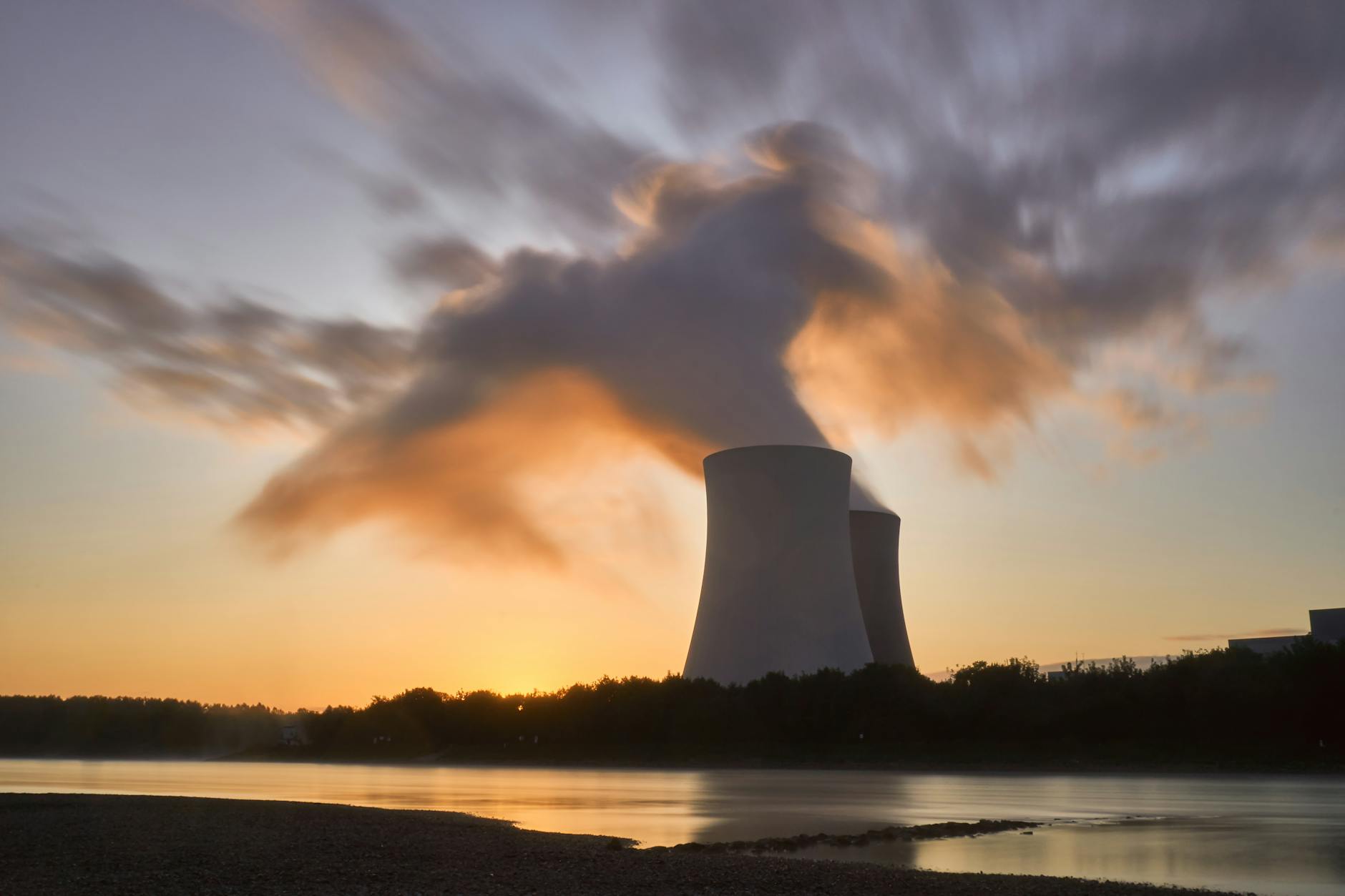
- Decades later, during the nuclear negotiations leading to the JCPOA (2015 nuclear deal), Oman hosted secret back‑channel talks between U.S. and Iranian officials. These quiet negotiations in Muscat helped pave the way for the eventual agreement, proving once again that Oman could move diplomacy forward while staying out of the headlines.
- More recently, Oman has continued to act as a mediator in indirect talks between Tehran and Washington, including discussions about prisoner releases, reduced tensions and potential de‑escalation deals, even amid open war or near‑war conditions.
Peacemaking in Gulf Wars
Oman’s role as a mediator is not limited to talks with Iran. The country has also stepped in during major Gulf conflicts:
- During the Iran–Iraq War (1980–1988), while much of the Arab world openly backed Iraq, Oman maintained relations with both sides and even attempted to host peace talks, positioning itself as a neutral voice.
- In the Second Gulf War (1990–1991), when Iraq invaded Kuwait, Oman adopted a moderate line, condemning the invasion while avoiding the kind of strong hostility that would close channels with Baghdad. This balanced stance allowed it to remain a potential intermediary, not only between Iraq and Kuwait, but between Iraq and other Arab states.
Oman and the War in Yemen
In the long, devastating war in Yemen, Oman has emerged as one of the most consistent regional mediators, working alongside the United Nations and other international actors.
- The country has offered its territory as a site for talks between Yemeni factions, including the internationally recognized government and other political or military groups.
- Because Oman has preserved relationships with various Yemeni actors and with external powers, it can operate as a credible facilitator, not easily accused of bias.
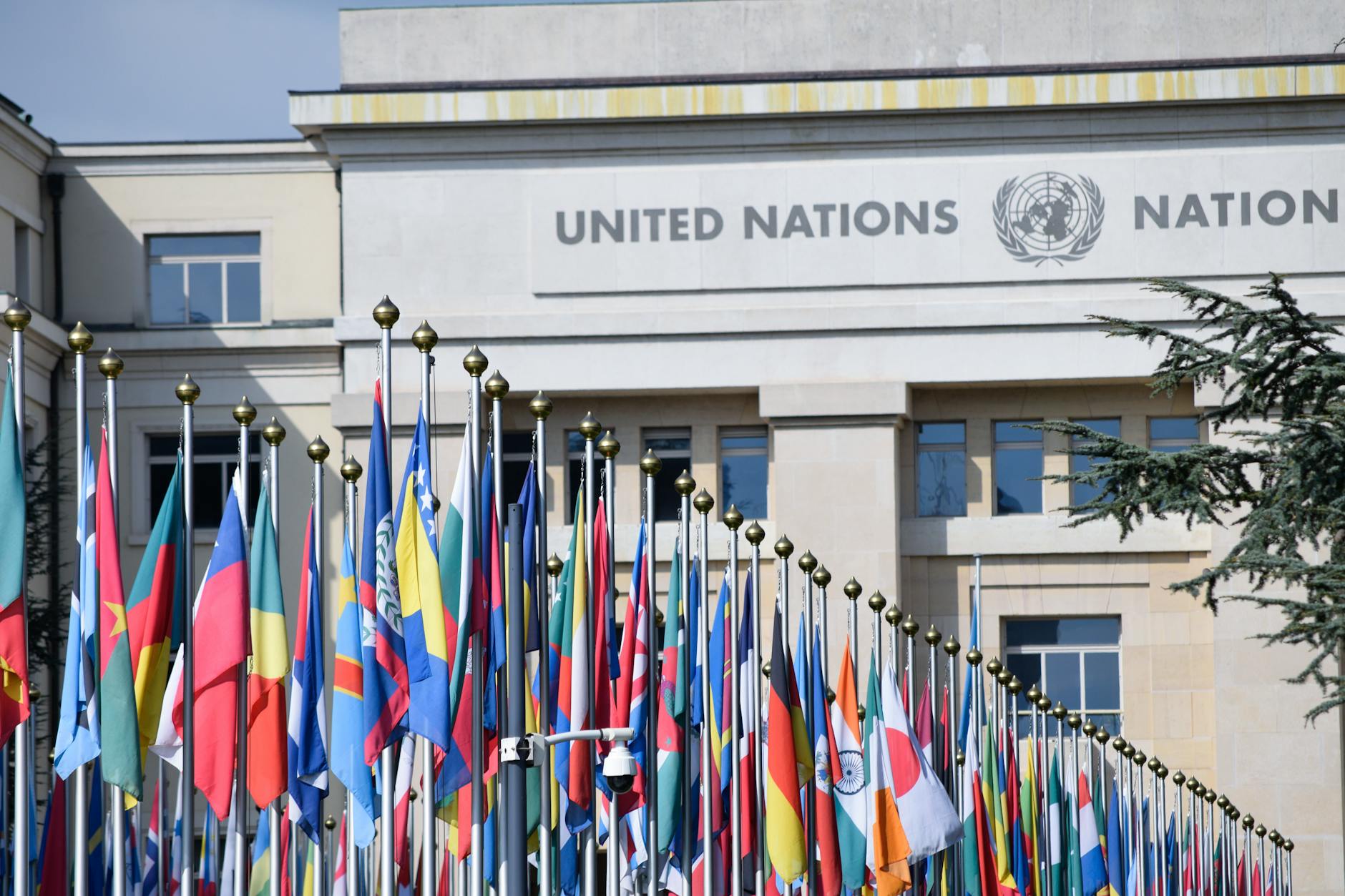
- The UN has publicly acknowledged Oman’s contributions, with top officials praising its role in keeping open channels of negotiation and helping keep the door to a political solution open, even when battlefield dynamics looked grim.
Low‑Profile Diplomacy, Lasting Results
Beyond these “headline” cases, Oman has quietly mediated or facilitated contacts in other crises:
- The release of hostages and detained citizens, such as the case of American hikers detained near the Iraq‑Iran border.
- Rivalries within the Gulf, including tensions between Saudi Arabia and Qatar, where Oman maintained ties with both sides and provided a discreet line of communication.
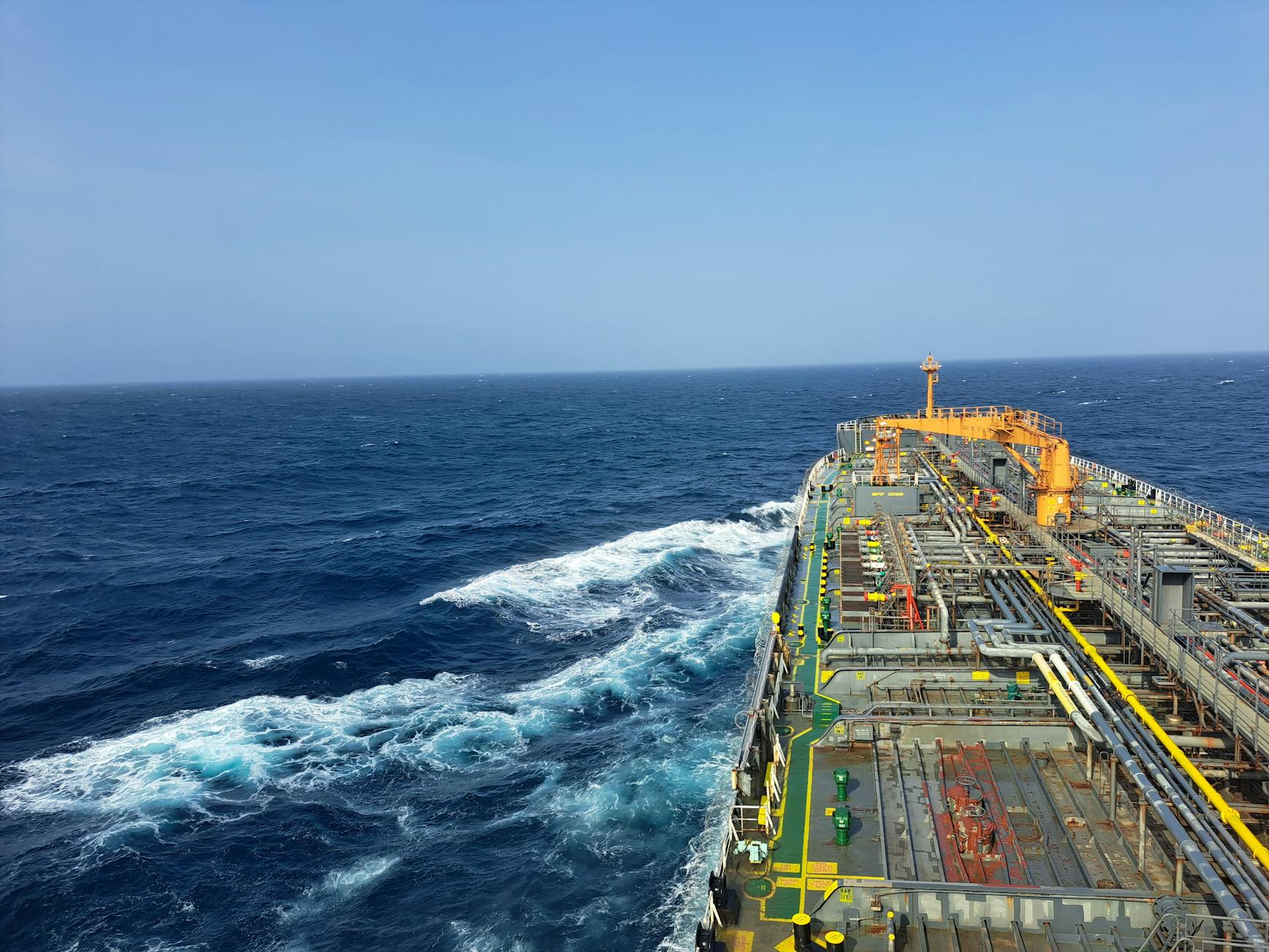
What makes Oman effective is not only its geography near the Strait of Hormuz, but also its political style: no revolutionary outreach, no ideological confrontation, and a desire to keep the region stable, not to win a proxy competition.
A Discreet but Indispensable Actor
For Western and regional analysts, Oman is often described as “the Switzerland of the Gulf”: small, quiet, but strategically located and politically nimble. Its historical role in Middle East mediation shows that influence does not depend only on military power or oil wealth. It also depends on trust, patience and the ability to keep talking when everyone else has stopped listening.
Headline idea for a press article:
“Oman: The Gulf’s Quiet Mediator – How a Small Sultanate Became a Key Player in Middle East Peace Efforts”