

By Henry Maxwell
Senior World Affairs Analyst, Wide World News
February 23, 2026
The war in Ukraine has slipped in and out of global headlines for years, but it has never really paused for the people living under drone‑filled skies and artillery fire. What began as a full‑scale invasion reshaping Europe’s security map has transitioned into a grinding contest of endurance. It is fashionable in some capitals to talk about a “stalemate,” but that word hides a harsher reality: a war that refuses to end, fueled by incompatible political objectives and an increasingly militarised world order.
At its core, the conflict remains a clash between Ukraine’s determination to preserve its sovereignty and Russia’s refusal to accept an independent, westward‑aligned neighbour on its border. Ukraine fights for survival as a state; Russia fights to reassert its sphere of influence and rewrite the post‑Cold War settlement. That asymmetry explains the war’s brutality. When one side frames existence itself as the stake, compromise becomes politically toxic. When the other treats the conflict as a test of great‑power status, escalation becomes a temptation rather than a taboo.
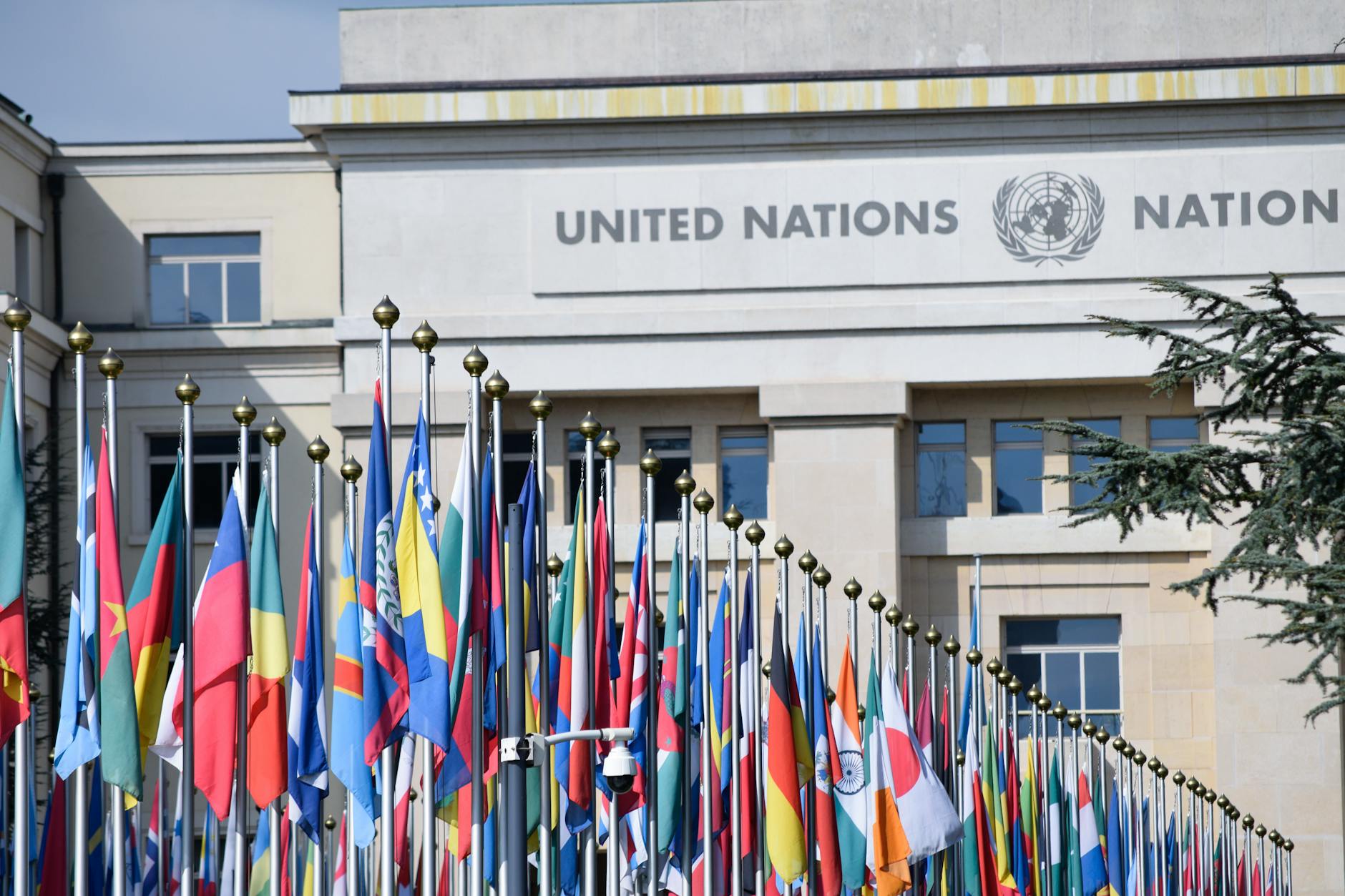
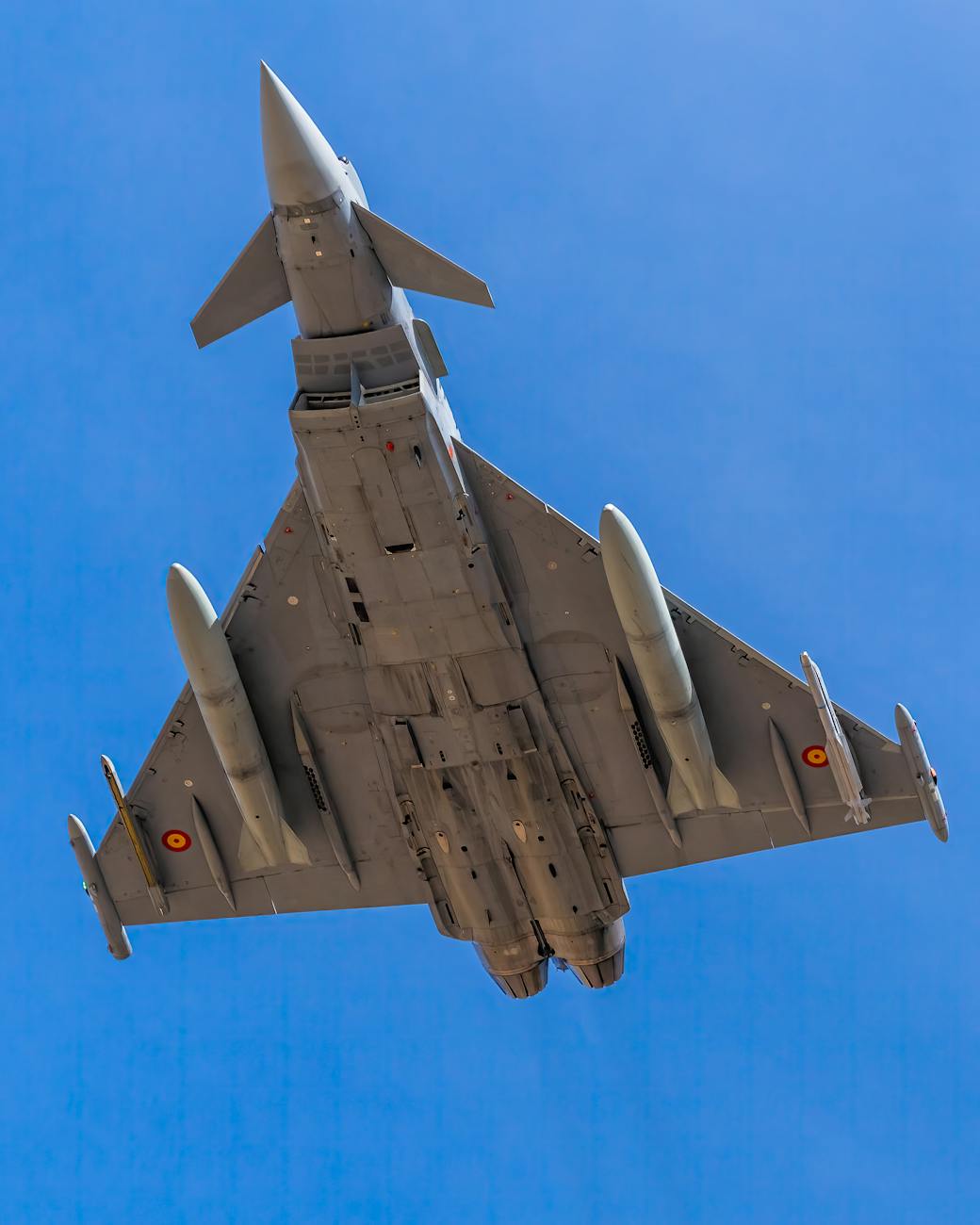
Internationally, the war has reawakened a vocabulary many believed buried with the twentieth century: deterrence, spheres of influence, proxy competition. NATO, once searching for a purpose, has found one in the most old‑fashioned way possible—preparing to defend its borders against a large conventional army. European states that long underinvested in defence now rush to rebuild arsenals, expand military budgets and revive conscription debates. The “peace dividend” that followed the Cold War has been spent, and few expect a refund.
Yet this rush to rearm does not translate neatly into stability. Ukraine’s battlefield fortunes are intimately tied to external support, especially from the United States and Europe. Weapons, ammunition, training and intelligence flow in, sometimes slowly, sometimes in large waves after political breakthroughs. Each new system—a long‑range missile, a modern air defence battery—brings short‑term tactical benefits, but also fresh debates about escalation and red lines. The war has become a continuous negotiation between what is militarily desirable and what is politically acceptable.
On the Russian side, the conflict has pushed the state deeper into militarisation and repression. The war effort demands men, money and obedience. Dissent is marginalised, independent media are crushed and the economy slides toward a command‑style model built around defence industries and sanctioned trade. This is not just a war fought with tanks and missiles; it is a war reshaping the internal structures of both Russia and Ukraine. Kyiv leans further into emergency powers, centralised decision‑making and a war‑economy mindset, even as it insists that it fights to defend democratic aspirations.
The global response reveals a fractured world. Western governments frame the war as a clear‑cut struggle between aggression and self‑determination, and many citizens accept that view. But across much of the Global South, the narrative is more sceptical. Some see the conflict through the lens of double standards, comparing Western outrage over Ukraine with relative silence about other wars. Others worry more about food prices, energy shocks and debt than about European front lines. For them, Ukraine is one crisis among many, not the central drama of the age.
This divergence has consequences. Efforts to isolate Russia have had mixed success, as sanctions collide with the reality that many states still rely on Russian energy, fertilisers or weapons. Moscow has been quick to court non‑Western partners, offering discounted resources and diplomatic support in return for neutrality or quiet sympathy. The war is not just about territory in Europe; it is a test of how much leverage Western alliances still hold in a more multipolar world.
Talk of peace remains tentative and fragile. Any ceasefire that simply freezes current lines risks rewarding force and condemning millions to live under occupation. Any agreement that insists on full restoration of borders runs into the problem of how to force compliance on a nuclear‑armed state without risking wider war. The gap between justice and feasibility is wide. That is why proposals often circle vague ideas about interim arrangements, security guarantees and phased withdrawals without settling on hard answers.
For now, the most likely path is a drawn‑out conflict that periodically flares and cools, even as diplomats search for formulas that can be sold as victory at home and compromise abroad. In this uncomfortable space, Ukraine’s allies face their own test: can they sustain moral conviction and material support through fatigue, elections and shifting priorities? And can they do so without letting the war in Ukraine become a template for a world in which military power, not law or diplomacy, becomes the ultimate arbiter?