

There are medical traditions that heal the body, others that soothe the spirit, and a few rare ones that attempt to mend the delicate thread that binds humans to the natural world. The Kallawaya medical tradition of Bolivia belongs to that last category. Recognized by UNESCO as Intangible Cultural Heritage of Humanity, it is more than a system of healing—it is a worldview, a philosophy of balance, and a living memory of how humans once understood their place in the cosmos.
To speak about Kallawaya medicine is to enter a landscape where mountains breathe, rivers carry messages, and plants are not resources but relatives. It is a tradition that has survived centuries of colonial pressure, political change, and cultural transformation. And yet, it remains alive—quietly, resiliently—because it offers something modern societies often forget: a way of healing that respects the Earth as much as the patient.
This is an exploration of that world, told in a natural, human voice, with the admiration that such a profound tradition deserves.
A People Who Walk to Heal
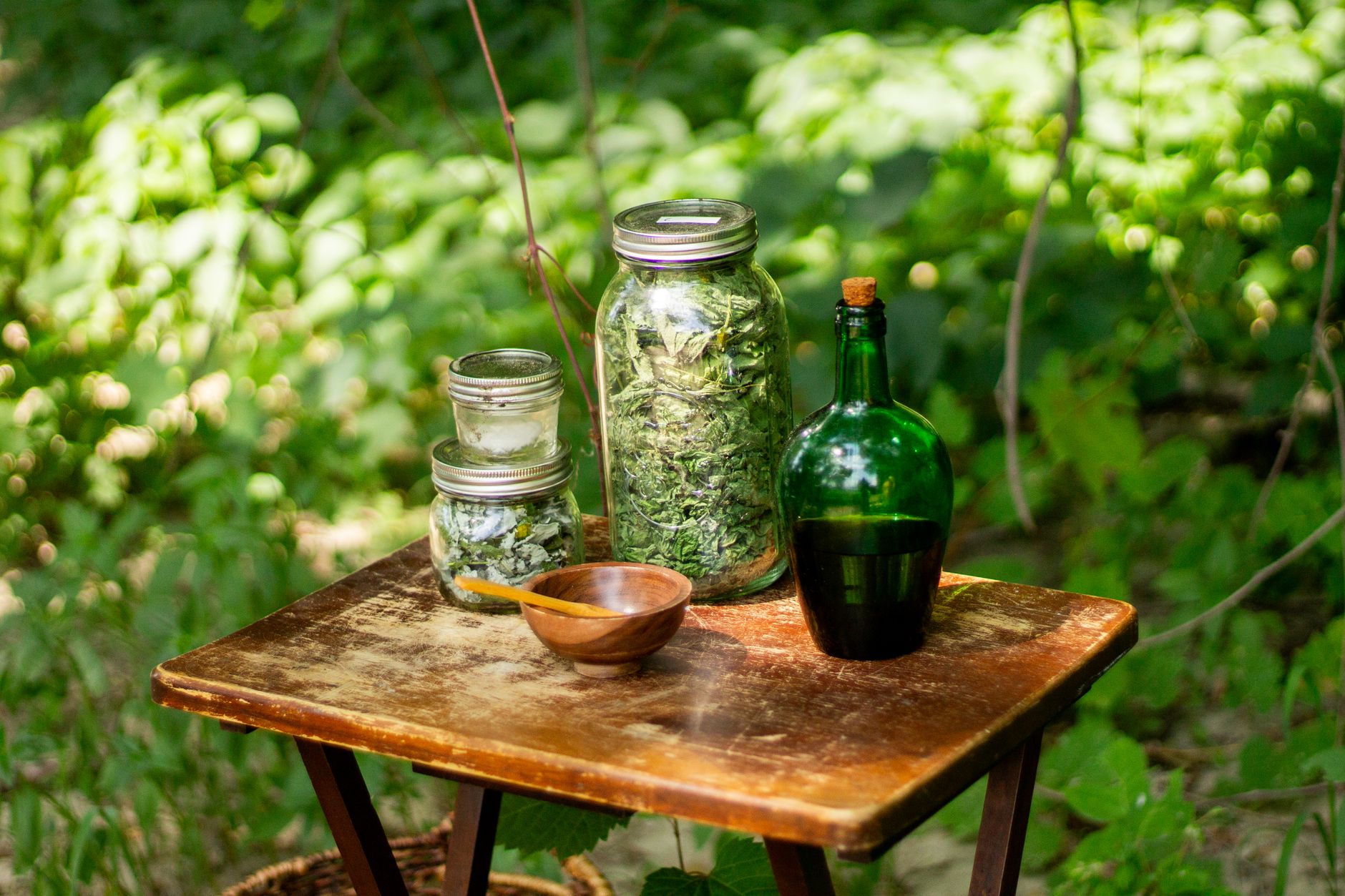
The Kallawaya are an itinerant group of healers from the Bolivian Andes, primarily from the region around Charazani and the Apolobamba mountain range. Historically, they traveled long distances—sometimes across the entire Andean corridor—to treat communities, exchange knowledge, and gather medicinal plants. Their name is often translated as “the ones who carry the medicine,” a reference to the woven bags in which they transported herbs, roots, and sacred objects.
But the deeper meaning is more poetic: they carry medicine not only in their hands, but in their stories, rituals, and understanding of the universe.
Their practice is rooted in a cosmovision where health is not simply the absence of illness. It is the harmony between the individual, the community, the ancestors, and the natural world. When one of these