

In a world overshadowed by war, great‑power rivalry, and economic fragmentation, Namibia can look deceptively quiet on the map—sparsely populated, politically stable, and far from the front lines. But beneath that calm surface, the country is navigating a complex mix of economic opportunity, structural vulnerability, and geopolitical repositioning.
Right now, Namibia sits at a crossroads: still heavily dependent on traditional exports like diamonds, yet increasingly courted for its uranium, offshore oil, and green hydrogen potential. Its future will be shaped by how well it manages this transition in a global climate defined by conflict, climate stress, and shifting alliances.
1. The Macro Picture: Modest Growth, Big Risks
Recent assessments paint a picture of gradual but fragile growth. The Bank of Namibia projects the economy to expand by around 3–4% between 2025 and 2026, driven mainly by improvements in primary industries such as crop farming, uranium production, and the electricity and water sector.
However, the IMF’s 2025 Article IV report is blunt about the challenges: Namibia faces heightened global trade tensions, increased weather shocks, a structural shift in the global diamond market, and persistently high structural unemployment.
Key macro themes:
- Growth: Around 3–4% in the medium term—respectable, but not transformative.
- Inflation: Generally contained, but vulnerable to imported price shocks and global conflicts.
- Public debt: Elevated enough that the IMF warns about the need for continued fiscal prudence and careful management of state‑owned enterprises.
- External risks: Trade policy shocks, weaker global demand, and climate‑related disruptions.
In short: Namibia is growing, but on a narrow base, and in a world that is becoming less friendly to small, open economies.
2. The Micro Reality: Diamonds, Uranium, and the Promise of Hydrogen
Diamonds losing their shine
For decades, diamonds have been one of Namibia’s economic pillars. But that pillar is wobbling. The IMF and local analysts highlight a structural shift in the global diamond market, with lab‑grown diamonds and weaker demand putting pressure on prices and export earnings.
This is not just a commodity story—it’s a jobs and revenue story. Lower diamond earnings mean:
- Less fiscal space for social spending
- Pressure on the current account
- Greater vulnerability to external shocks
Uranium and energy transition
On the other hand, Namibia is emerging as a strategic supplier of uranium, a key input for nuclear energy in a decarbonizing world. Central bank projections show uranium production as a major driver of growth in the coming years.
As more countries look for low‑carbon baseload power, Namibia’s uranium becomes geopolitically relevant. That gives the country leverage—but also exposes it to:
- Price volatility
- Shifting energy policies in major economies
- Environmental and social scrutiny
Oil, gas, and green hydrogen
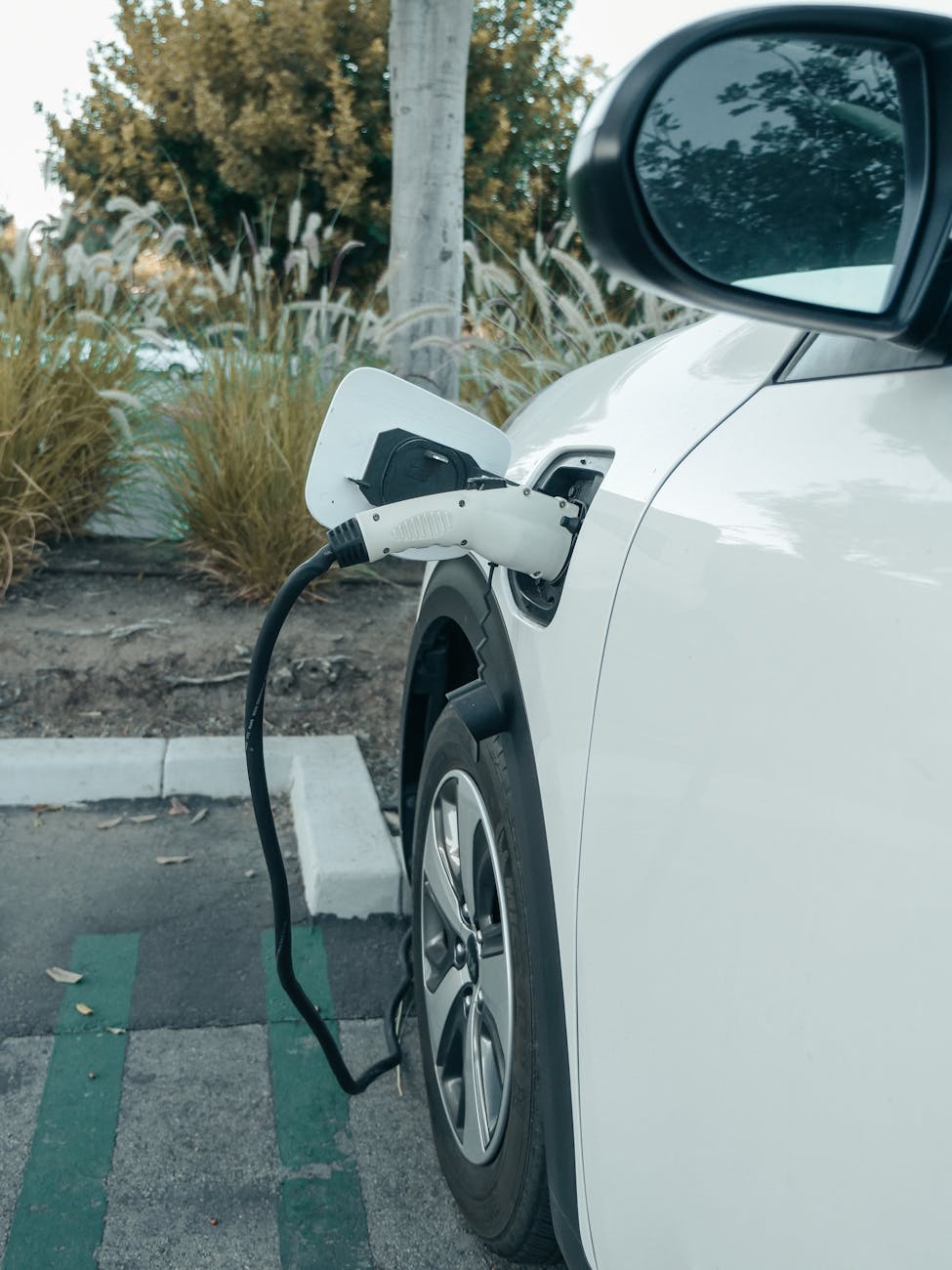
Recent offshore oil and gas discoveries, along with ambitious green hydrogen projects, are perhaps the most transformative opportunities on the horizon. The IMF explicitly notes that faster development of oil, gas, and green hydrogen is a key upside risk to the outlook.
If managed well, these sectors could:
- Boost GDP growth significantly
- Create jobs in construction, logistics, and services
- Strengthen Namibia’s bargaining power in global energy markets
If mismanaged, they could deepen inequality, fuel corruption, and entrench a resource‑curse dynamic.
3. Climate, Drought, and the Rural Economy
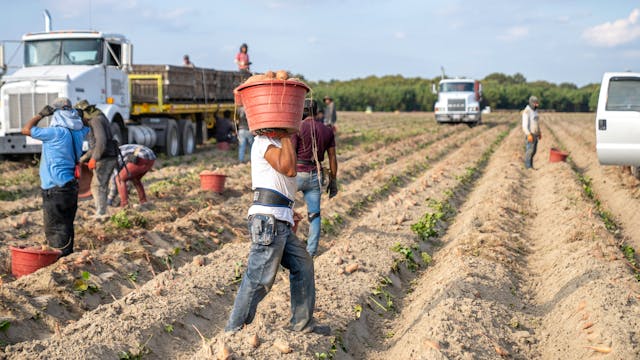
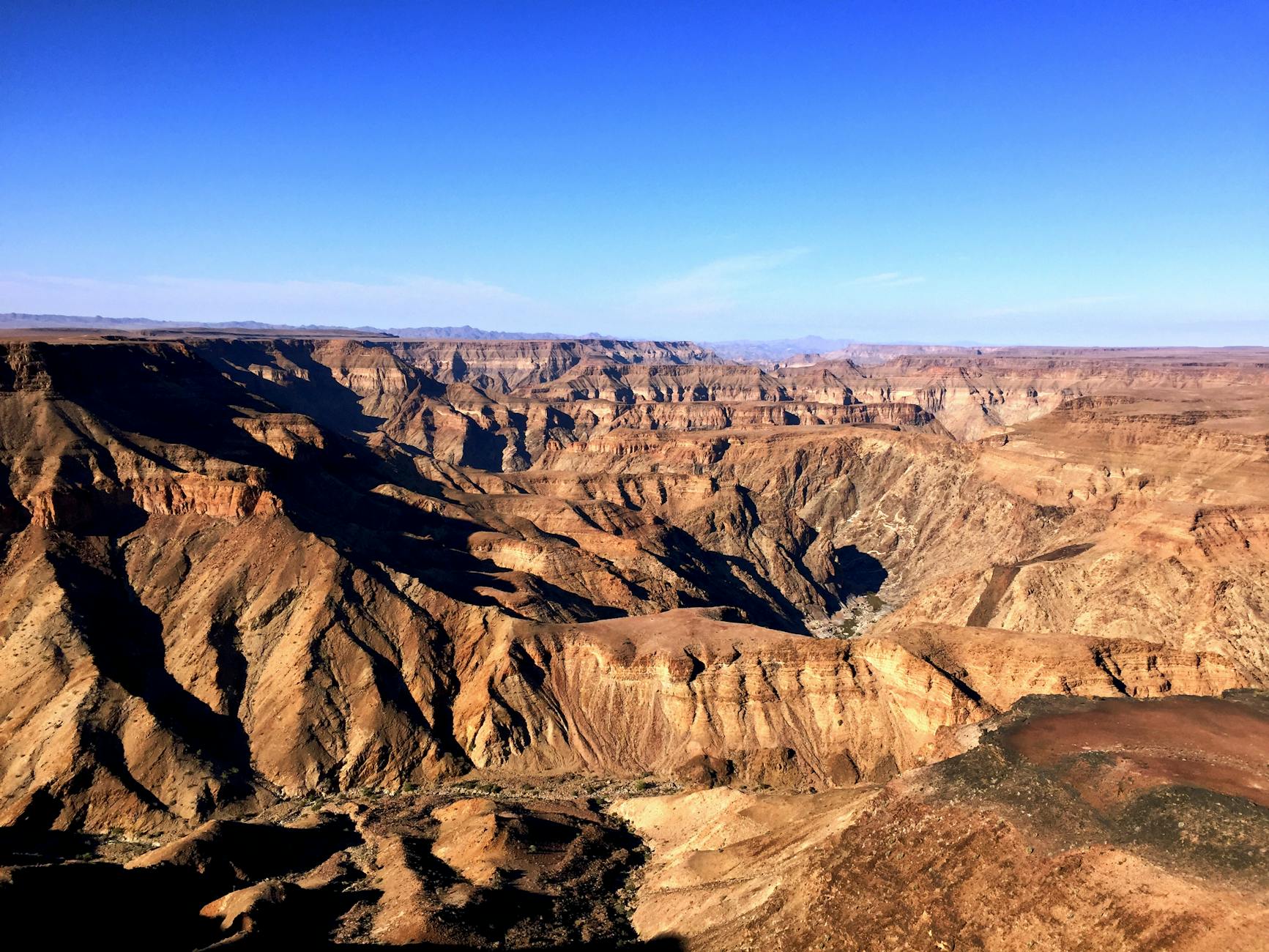
Namibia is one of the driest countries in sub‑Saharan Africa, and climate change is already biting. The Bank of Namibia and local media repeatedly flag drought and weather shocks as major drags on growth, particularly in agriculture and livestock.
Recent projections show:
- Contractions in agriculture, forestry, and fishing due to drought and depleted herds
- Sharp declines in livestock farming as farmers rebuild after severe destocking
- Ongoing pressure on rural livelihoods and food security
This is where macro and micro meet: climate shocks hit small farmers first, but the ripple effects reach public finances, banks, and social stability.
4. Society and Culture: A Young Nation With Deep Inequalities
Namibia is culturally rich and ethnically diverse—home to Ovambo, Herero, Nama, Damara, San communities and others—yet it still carries the deep scars of colonialism and apartheid‑era inequality.
Key social realities:
- High unemployment, especially among youth
- One of the highest inequality levels in the world (by Gini measures)
- Strong urban–rural divides in access to services, jobs, and infrastructure
The African Development Bank’s 2025 Country Focus Report emphasizes the need to “make Namibia’s capital work better for its development,” highlighting the importance of urban planning, infrastructure, and inclusive growth.
Culturally, Namibia has a strong tradition of community, land‑based identity, and resilience. But if new wealth from oil, gas, and hydrogen is not shared fairly, it could deepen social fractures rather than heal them.
5. Alliances and Geopolitics: Quiet but Strategic
In a global climate of war and rivalry, Namibia is not a frontline actor—but it is strategically positioned.
Regional ties
- Member of the Southern African Development Community (SADC)
- Part of the Southern African Customs Union (SACU), which provides important customs revenue—now under pressure, according to central bank and IMF warnings.
- Close economic and infrastructural links with South Africa
Global partners
Namibia is increasingly courted by:
- China, for mining and infrastructure
- European countries, especially Germany and the EU, for green hydrogen and climate partnerships
- Multilateral institutions like the IMF, AfDB, and World Bank, for financing and policy support
In a world of war in Ukraine, conflict in the Middle East, and rising U.S.–China tensions, Namibia’s strategy seems to be pragmatic non‑alignment: work with everyone, avoid entanglement, and leverage its resources for development.
But that balancing act will get harder as great‑power competition intensifies and energy security becomes more politicized.
6. The War‑Shaped Global Climate: Indirect but Real Impacts
Namibia is far from the battlefields, but global wars and conflicts still shape its prospects:
- Higher global food and fuel prices squeeze households and the budget
- Trade disruptions and protectionism threaten export markets for diamonds, uranium, and future hydrogen
- Investor risk aversion can delay or reduce financing for large‑scale energy projects
The IMF explicitly lists geopolitical fragmentation and global trade policy shocks as key downside risks for Namibia.
In other words, Namibia’s future is tied not just to what happens in Windhoek or Walvis Bay, but also to decisions made in Washington, Brussels, Beijing, and Moscow.
7. The Road Ahead: Opportunity vs. Vulnerability
So what does the future look like?
The upside scenario
If Namibia:
- Maintains fiscal discipline while investing in infrastructure and human capital
- Manages its oil, gas, and hydrogen sectors transparently
- Diversifies beyond diamonds into energy, logistics, and services
- Strengthens education, skills, and digitalization to reduce unemployment
…then it could become a regional energy and logistics hub, with more inclusive growth and greater resilience to external shocks.
The downside scenario
If:
- Diamond revenues fall faster than new sectors mature
- Climate shocks intensify without adequate adaptation
- Debt rises and reforms stall
- New resource wealth is captured by a narrow elite
…then Namibia risks remaining stuck in a pattern of moderate growth, high inequality, and vulnerability to global shocks.
Final Take: A Small Country With Big Decisions Ahead
Namibia today is a study in contrasts: macro‑stability but micro‑fragility, huge natural wealth but deep social gaps, geopolitical calm but exposure to global storms.
In this climate of war and fragmentation, its best strategy is clear but demanding:
- Use its natural resources—uranium, oil, gas, wind, and sun—not as a shortcut, but as a foundation for diversified, inclusive development.
- Invest in people, skills, and institutions, not just in projects.
- Stay open to multiple partners while defending its own long‑term interests.
Namibia may not dominate headlines, but the choices it makes in the next decade will determine whether it becomes a model of desert resilience—or another cautionary tale of untapped potential in a turbulent world.