

North Korea’s Nuclear Output Seen Surging, IAEA Warns — New Enrichment Site Spotted Near Yongbyon
The head of the International Atomic Energy Agency warned Wednesday that North Korea has markedly increased its capacity to produce nuclear weapons, citing intensified activity at the Yongbyon complex and the construction of a second enrichment facility.
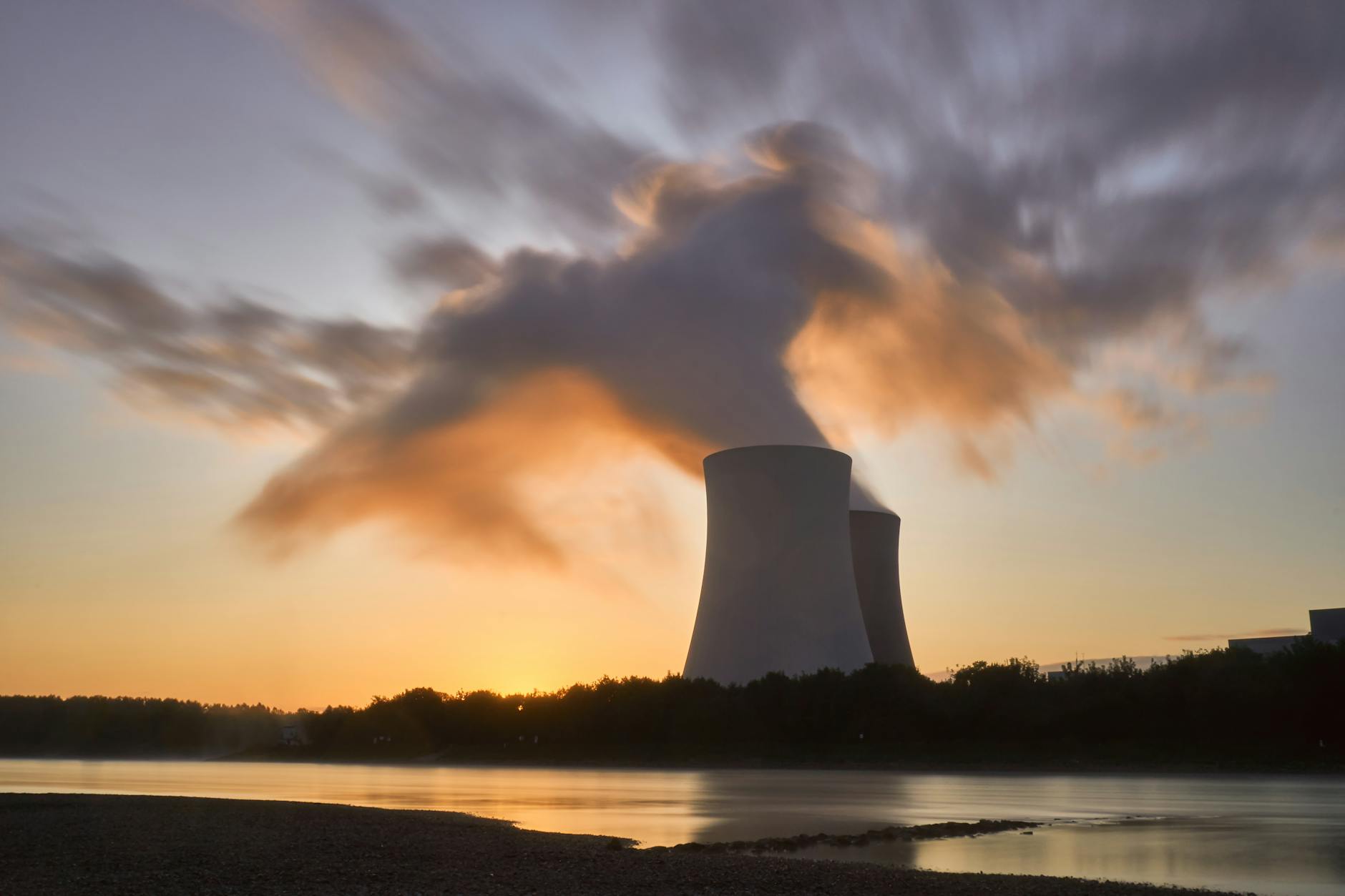
IAEA Director General Rafael Grossi told reporters in Seoul that routine assessments show a rapid uptick in operations at Yongbyon, including heightened work at the reprocessing unit and the light‑water reactor. Satellite imagery and on‑the‑ground analysis, he said, point to the commissioning of additional installations that mirror the existing enrichment plant there.
“Taken together, these developments point to a very serious expansion of North Korea’s weapons‑production capabilities,” Grossi said, estimating the country could now be capable of producing “a few dozen” nuclear warheads.
Seoul’s intelligence services have long suspected Pyongyang of running multiple uranium‑enrichment sites, a critical step toward building deliverable warheads. Yongbyon — once partially dismantled during past negotiations — was reactivated in 2021 and has since been the focus of international concern.
U.S.‑based think tank the Center for Strategic and International Studies reported this week that new construction at Yongbyon appears consistent with a fresh enrichment plant. Analysts who reviewed April satellite images noted the presence of power generators, fuel storage tanks and cooling infrastructure that would support centrifuge operations.
North Korean leader Kim Jong Un has repeatedly defended his country’s nuclear program, saying last month that Pyongyang will not give up its status as a nuclear power and framing weapons development as fully justified for national defense.
When asked whether Russia might be assisting North Korea’s nuclear efforts, Grossi said the IAEA has not observed clear evidence of such cooperation. He added that while any technical exchanges would likely be described as civilian in nature, it is too early to draw firm conclusions.
The renewed alarm over Pyongyang’s capabilities comes amid broader regional security moves. Senior naval commanders from South Korea, the United States and Japan met in Seoul on Wednesday to coordinate maritime security measures aimed at deterring threats tied to North Korea’s nuclear and missile programs.
South Korean Foreign Minister Cho Hyun reiterated Seoul’s stated goal of reducing hostility on the peninsula and pursuing peaceful coexistence and shared development, even as officials weigh diplomatic and security responses to the IAEA’s findings.
The IAEA stressed that without on‑site inspections it is difficult to quantify precisely how much enrichment capacity North Korea has added. Investigators say confirming the full scope of the program will require access that Pyongyang has historically denied since it expelled IAEA inspectors in 2009.
As the international community digests the agency’s assessment, the report is likely to intensify calls for renewed diplomatic engagement and for measures to prevent further proliferation — even as policymakers confront the practical limits of verification in a closed state.