

As someone who has spent years studying the Israeli‑Palestinian conflict and the political narratives that surround it, I have watched with growing concern a contradiction that many analysts and human‑rights observers have pointed out: the way certain anti‑abortion activists passionately defend the sanctity of unborn life while remaining silent—or even dismissive—about the deaths of thousands of children in Gaza and the West Bank.
This is not a critique of religious belief, nor of the sincere moral convictions held by many people who oppose abortion. It is, instead, an examination of a selective moral framework that emerges in some sectors, particularly in political spaces where the defense of life is invoked loudly in one context and ignored in another.
A Discrepancy That Raises Questions
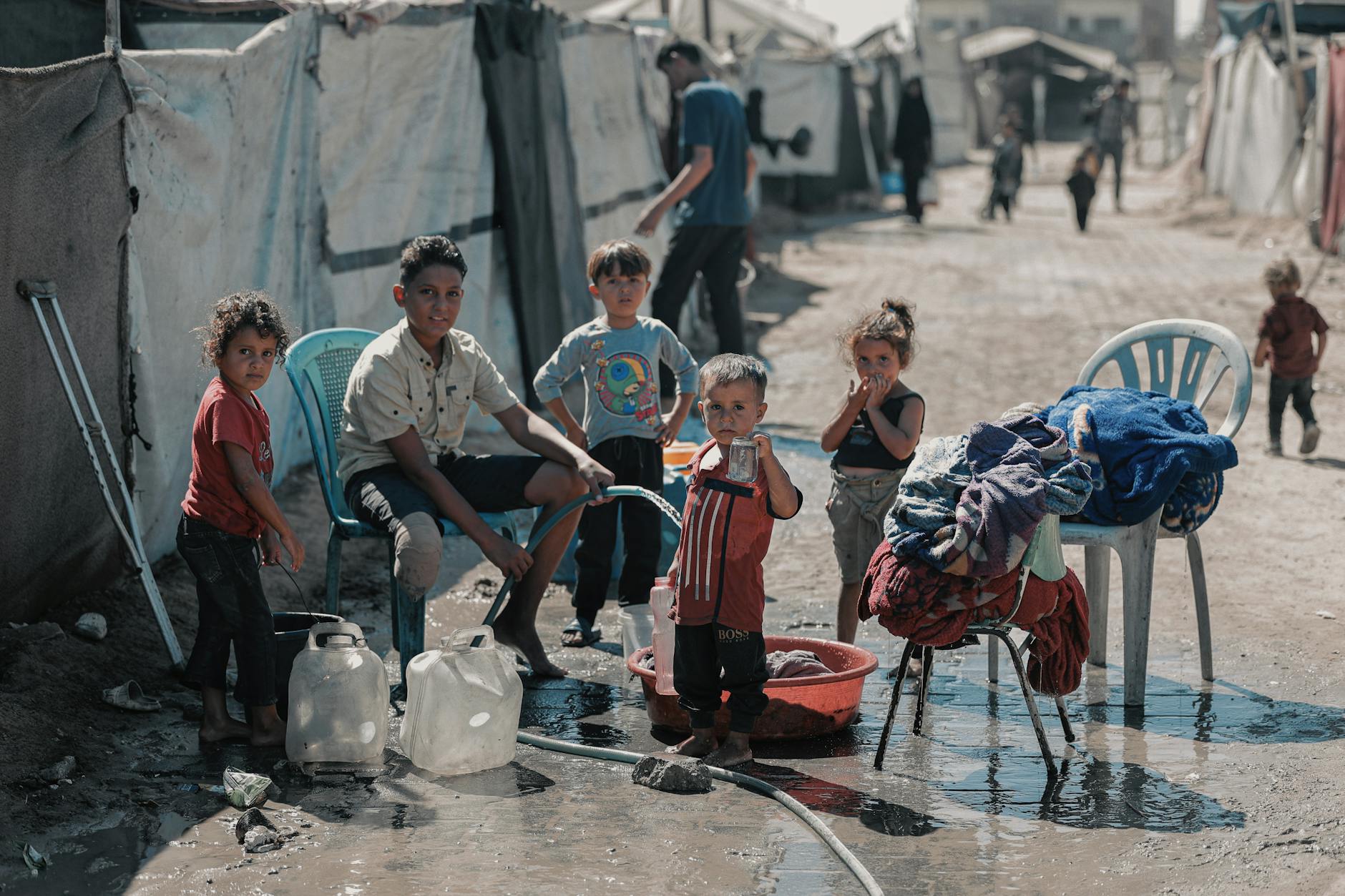
In recent years, the conflict in Gaza and the West Bank has resulted in the deaths of large numbers of minors, according to reports from international organizations and humanitarian agencies. These deaths occur in a context of military operations, blockades, airstrikes, and systemic instability that has persisted for decades.
Observers have noted that some of the same groups who mobilize aggressively against abortion—organizing marches, lobbying lawmakers, and framing their cause as a universal defense of life—rarely apply that same moral urgency to the deaths of Palestinian children. Analysts describe this as a moral asymmetry that undermines the credibility of their stated principles.
The Politics of Selective Outrage
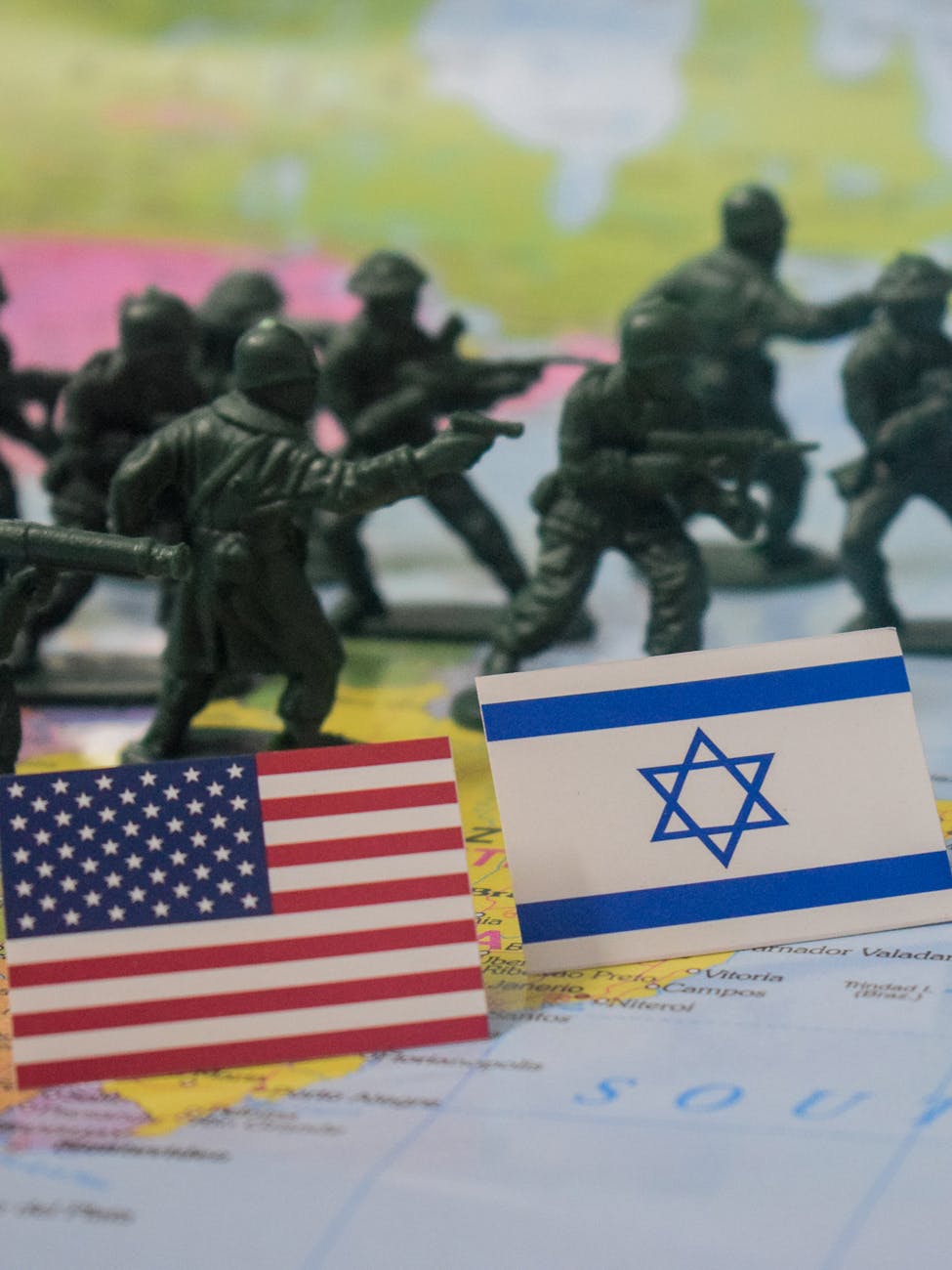
Experts in political communication often highlight how moral positions can become entangled with identity, ideology, and geopolitical alliances. In the United States and parts of Europe, certain anti‑abortion movements are closely aligned with political actors who maintain strong support for Israeli military policies. As a result, criticism of civilian casualties in Gaza or the West Bank becomes politically inconvenient.
This dynamic creates what some scholars call “selective outrage”: a willingness to defend life in one context while rationalizing or ignoring its destruction in another. The issue is not disagreement over policy, but the absence of even basic empathy or acknowledgment.
Human Rights Are Not Conditional
Human‑rights experts repeatedly emphasize that the value of a child’s life does not depend on nationality, ethnicity, or the political identity of their parents. Whether a child is unborn in an American hospital or living under bombardment in Gaza, the principle should be the same: their life has inherent worth.
When activists claim to defend life but refuse to speak about the deaths of children in conflict zones, they risk turning a moral principle into a political slogan. This inconsistency is not lost on observers in the region, who often view it as evidence that some Western moral debates are shaped more by ideology than by universal ethics.
A Call for Moral Consistency
Experts who work on the ground in the Middle East often argue that moral consistency is essential if advocacy is to be taken seriously. Defending life should not be a selective exercise. If the protection of children is a core value, then it must apply to all children—those in utero and those living under occupation, blockade, or military fire.
This does not require taking a political position on the conflict itself. It simply requires acknowledging the humanity of children who are caught in it.
Conclusion
The deaths of children in Gaza and the West Bank are not abstract statistics; they are human tragedies. Analysts and humanitarian workers who witness the consequences firsthand often express frustration at the silence of those who claim to champion life but overlook these realities.
A consistent moral framework would recognize that the defense of life cannot stop at national borders or political alliances. If life is sacred, then it is sacred everywhere.