


By Dr. Naresh Subbarao
Senior Science Correspondent, Wire World News
February 23, 2026
Gene editing has gone from lab curiosity to global lifeline, with CRISPR’s upgraded versions—prime editing and base editing—now crafting drought-proof crops and curing rare diseases in human trials. This isn’t blunt scissors snipping DNA; it’s surgical word-processing, swapping faulty letters with pinpoint accuracy, and it’s reshaping agriculture and medicine across continents.
Prime editing, the star of 2026, rewrites DNA without double-strand breaks that risk errors. Labs worldwide have used it to fix mutations causing sickle cell anemia and cystic fibrosis, with first-in-human results showing safe, lasting corrections. In parallel, base editing targets single letters, enabling therapies for blindness and muscular dystrophy. Regulatory green lights in the US, UK and China signal a therapy boom by year’s end.
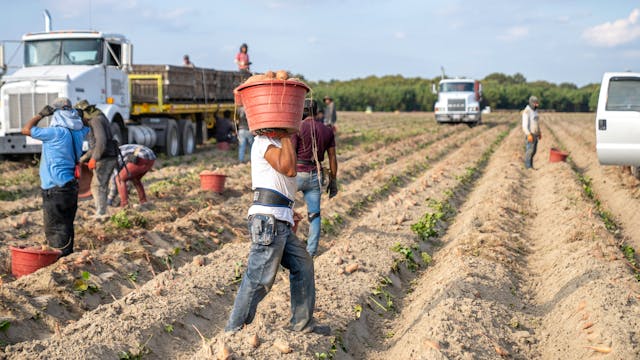
Agriculture sees equal drama. Climate-stressed regions—from sub-Saharan Africa’s Sahel to India’s breadbasket—deploy CRISPR-edited rice, wheat and maize with deeper roots for water efficiency and pest resistance sans chemicals. These aren’t GMOs of old; edits mimic natural mutations, dodging GMO stigma and speeding approvals. Yields could jump 20-30% in harsh conditions, bolstering food security for billions.
International rivalries spice the story. The US pushes therapeutic frontiers, Europe prioritizes ethical frameworks and food safety, while China races ahead in human embryo edits (controversially). Brazil and Kenya host field trials blending local crops with global tech, empowering farmers via open-source tools. Patent battles loom, but collaborative consortia aim to share benefits equitably.
Challenges persist: off-target effects, though rare, need monitoring; public trust demands transparency. Equity gaps worry critics—will rich nations hoard cures while poor ones get seeds? Yet successes mount: edited pigs resisting African swine fever saved China’s pork industry; beta-thalassemia patients transfusion-free after one treatment.
2026 trials will decide trajectories. Strong data accelerates adoption; hiccups invite caution. CRISPR embodies science’s dual edge—immense promise demanding wise stewardship. In a warming, unequal world, it offers tools to edit not just genes, but fates.