


By Henry Maxwell
Senior World Affairs Analyst, Wide World News
March 02, 2026
The global order is buckling under geopolitical strains, sluggish growth, and a surge in unilateral actions that hit developing nations hardest. Latin America and the Caribbean (LAC) feel the pinch acutely, juggling inequality, infrastructure gaps, tech lags, and a push for sustainable growth amid public security woes. Predictability in foreign ties has become a rare luxury for the region—and China’s freshly unveiled third policy paper on LAC, dropped in December 2025, positions Beijing as the steady hand offering just that.
This isn’t China’s first rodeo. The document builds on 2008 and 2016 editions, framing two decades of ramped-up engagement as a blueprint for the future. It casts China-LAC relations against a backdrop of rapid global shifts and the Global South’s rising clout, railing against unilateralism that threatens peace. On paper, it’s cooperative gold: five pillars—solidarity, development, civilizations, peace, and people—aim to knit practical coordination, experience-sharing, and tangible wins.
Development gets a modern twist, ditching old-school highways for digital connectivity, urban services, and smarter transport. That’s smart—LAC desperately needs to bridge its digital divide and knit fragmented territories. Science and tech shine too, with promises of joint labs, AI governance talks, biomedicine, and chip tech transfers. China pitches this as mutual uplift, not tech dumping, even nodding to global AI norms.
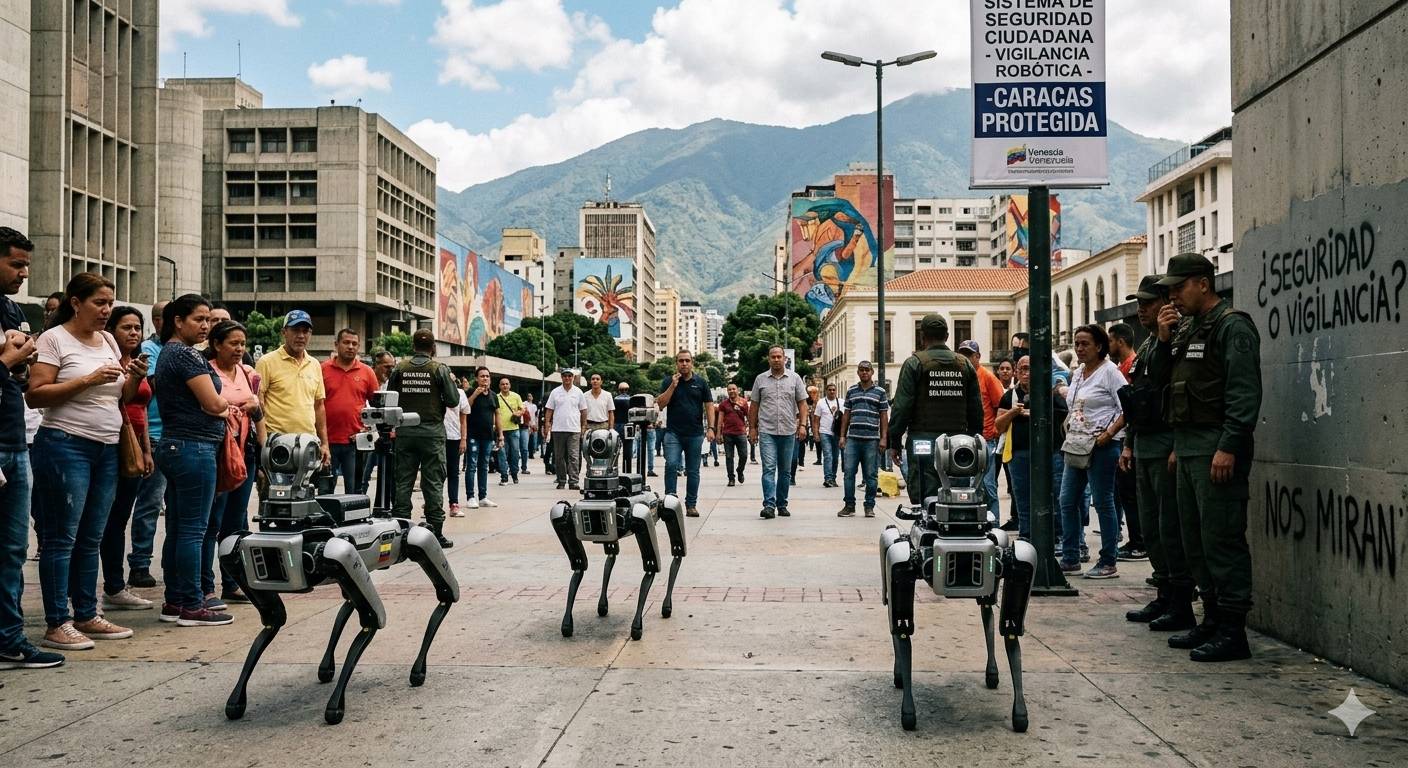
Security? It’s the non-military flavor LAC craves: law enforcement, anti-drug ops, anti-corruption, cyber stability via multilateral rules, and data security initiatives. Echoing Beijing’s Global Security Initiative, it stresses institutional muscle over arms races—music to ears tired of militarized aid from elsewhere. China insists it’s open to three-way deals with others, as long as LAC leads the charge on equal footing.
Sounds utopian, right? Here’s the critical edge: While the rhetoric drips with “respect” and “no strings,” China’s track record raises eyebrows. Past infrastructure loans have saddled LAC nations with debt traps—think Ecuador’s Coca Codo Sinclair dam fiasco or Venezuela’s oil-backed billions that fueled collapse, not progress. The policy’s vagueness on debt sustainability or transparency leaves room for opacity, a hallmark of Belt and Road critiques where Beijing prioritizes strategic ports and resources over local buy-in.
Digital ambitions dazzle, but who controls the 5G towers, AI datasets, or cyber norms? China’s push for “digital sovereignty” often aligns with its own firewalls and surveillance exports, clashing with LAC’s fragile democracies wary of Big Brother tech. Tripartite openness feels performative when U.S. rivals like Huawei dominate bids, sidelining Western players. And that Global South solidarity? It conveniently glosses Beijing’s South China Sea muscle-flexing or Uyghur crackdowns, selective pacifism at best.
For LAC, China’s predictability is a lifeline in a chaotic world—cash without lectures beats sanctions or neglect. Yet dependency risks loom: over-reliance could erode policy autonomy, turning economic lifelines into geopolitical leashes. The paper’s proof will be in execution—genuine joint ventures or another round of lopsided deals? In uncertainty’s shadow, LAC must vet this “win-win” with eyes wide open.