

By Henry Maxwell
Senior World Affairs Analyst, Wide World News
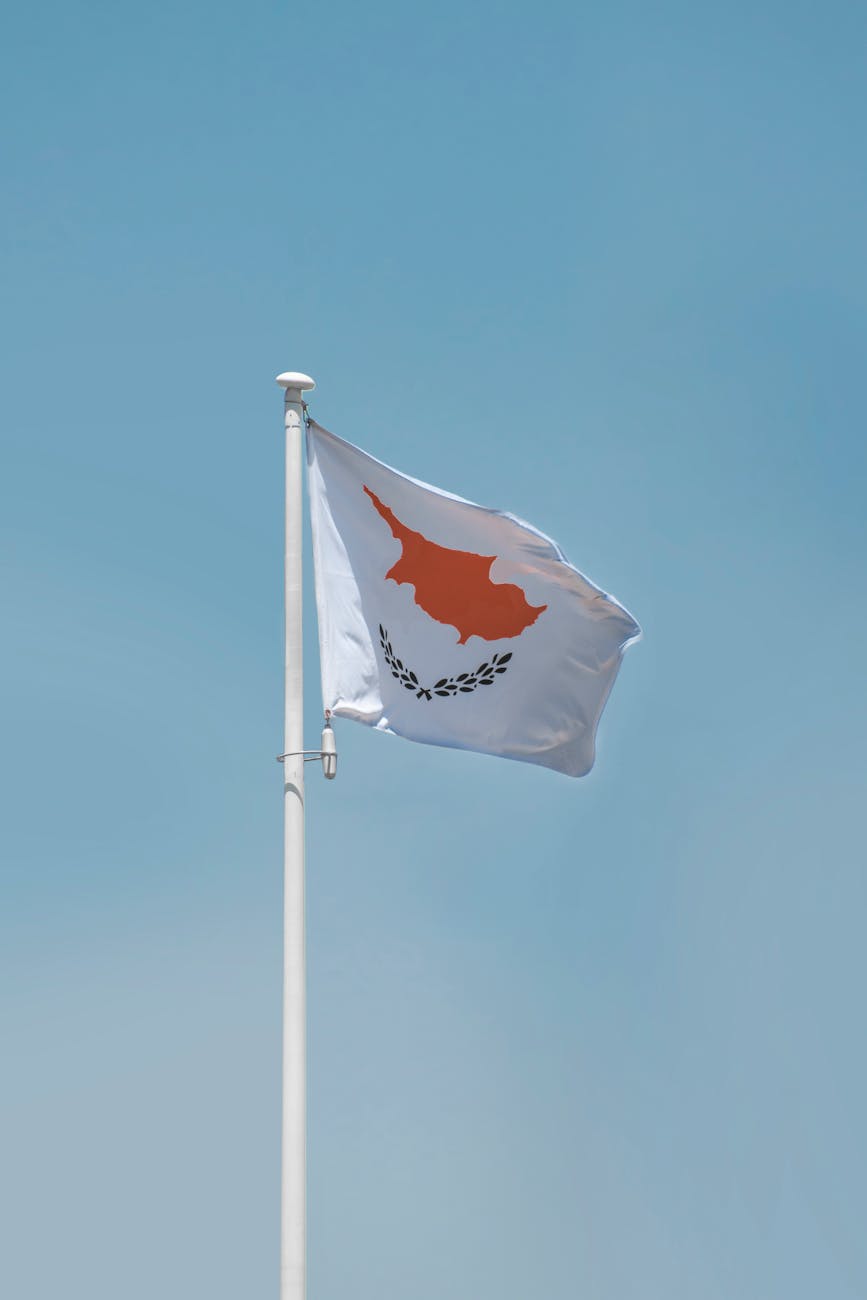
March 02, 2026A senior Iranian military commander has warned that Tehran could target Cyprus with missiles in an attempt to pressure the United States to withdraw its aircraft from the island. The statement, attributed to Brigadier General Ibrahim Jabari of Iran’s Islamic Revolutionary Guard Corps (IRGC), was reported by the semi-official Tasnim News Agency and has stirred alarm across the Eastern Mediterranean.
According to Tasnim, General Jabari claimed that “the Americans have relocated most of their aircraft to Cyprus, and we will launch several missiles at Cyprus to drive them out from there as well.” The remark, though not officially confirmed by Iran’s government, underscores escalating rhetoric between Tehran and Washington amid growing regional instability.
The suggestion that Iran could extend its military reach toward a European Union member state has raised eyebrows among Western allies and defense analysts. Cyprus hosts British military bases and has become a key logistical hub for Western operations in the Middle East, particularly for the United States and the United Kingdom. American aircraft and surveillance missions have reportedly used Cypriot facilities in recent months amid rising tensions with Iran and its regional proxies.
If confirmed, Jabari’s threat would mark one of the boldest statements yet from an Iranian military figure regarding direct action against Western assets outside the Persian Gulf. Analysts say it reflects both Tehran’s frustration over U.S. military deployments surrounding Iran and an attempt to signal deterrence in multiple theaters simultaneously.
“This type of rhetoric fits into Iran’s broader strategy of projecting power and unpredictability,” said a regional security expert based in Ankara. “By threatening a target like Cyprus, Iran sends a warning not only to the United States but to all European actors supporting American operations.”
The IRGC, established after the 1979 Islamic Revolution, plays a central role in Iran’s defense and foreign policy strategy. In recent years, its elite Quds Force has been accused of supporting armed groups across the Middle East, from Lebanon’s Hezbollah to militias in Iraq, Syria, and Yemen. The organization is designated a terrorist group by the United States, which considers it responsible for attacks on American personnel and interests throughout the region.
Tehran, however, insists that its military activities are defensive and aimed at resisting U.S. and Israeli aggression. In recent weeks, Iranian officials have repeatedly criticized Washington for what they describe as “provocative” deployments near Iranian territory. The relocation of U.S. aircraft to Cyprus, in particular, appears to have drawn Tehran’s attention as Washington consolidates its regional military footprint following months of unrest in Iraq and Syria.
Cyprus has yet to respond officially to Jabari’s comments, but European diplomats in Brussels have expressed concern about any potential escalation. A missile strike on Cypriot territory would not only constitute an attack on a sovereign state but also on a member of both the European Union and the international coalition against terrorism.
The United States has not issued a direct statement regarding the Iranian general’s threat, though Pentagon officials have previously emphasized that their regional deployments are designed “to ensure stability and protect U.S. forces and partners from hostile actions.”
For Tehran, the message may be more symbolic than operational. Iran has developed one of the region’s largest missile programs and routinely conducts long-range missile tests to signal deterrence. Threats against distant targets like Cyprus, while alarming, could be intended primarily as psychological warfare—a reminder of Iran’s missile reach and willingness to challenge Western influence wherever it perceives American encroachment.
As tensions continue to flare, observers warn that such rhetoric risks triggering miscalculations at a volatile moment. The Eastern Mediterranean has become an increasingly crowded stage, with Russian, U.S., and NATO operations overlapping in complex ways. Any Iranian attempt to follow through on these threats could dramatically widen the scope of confrontation.
For now, Jabari’s statements serve as another signal in a broader geopolitical contest where words and military maneuvers intertwine. While actual missile launches against Cyprus remain unlikely, the threat alone reinforces a dangerous pattern of brinkmanship that keeps the region—and the world—on edge.
Iranian Commander Threatens Missile Strikes on Cyprus to Force Out U.S. Aircraft