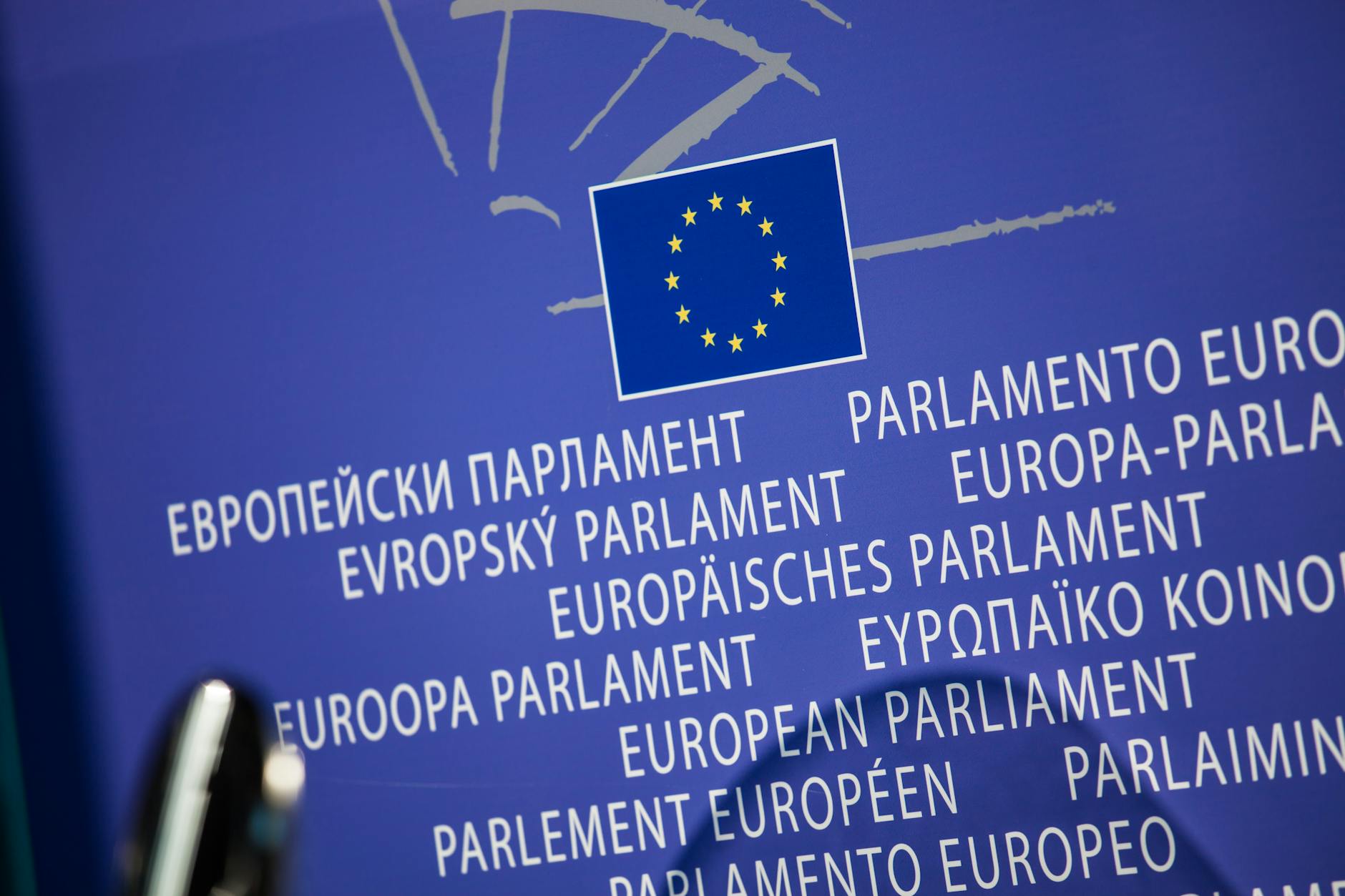



Hungary boasts Europe’s highest homeownership rates, with 92% of households owning their homes—a figure Prime Minister Viktor Orbán’s government attributes to sustained pro-family policies since 2010. In a recent Brussels briefing, Hungarian State Secretary Miklós Panyi outlined how targeted subsidies turned a post-2008 foreclosure crisis into a property boom, crediting 15+ years of uninterrupted Fidesz rule for the success.
From Debt Disaster to Ownership Powerhouse
When Orbán took power in 2010, Hungary grappled with a toxic legacy from the prior socialist MSZP government (2002-2010): Over 500,000 households burdened by foreign-currency mortgages (mostly Swiss francs) that ballooned during the global financial crash. Monthly payments quadrupled for many, triggering mass foreclosures. Orbán’s first five years focused on rescue: State intervention converted loans to forints at fixed rates, bailed out families, and banned predatory foreign-denominated lending—wiping out half a million debts and stabilizing banks.
This foundation enabled aggressive pro-ownership drives. Eurostat data confirms Hungary’s ascent: 91.6% ownership in 2024 (up from 90.5% in 2023), trailing only Romania (94%) and Slovakia (93%), dwarfing the EU average of 68% and Germany’s 50% rental-heavy model. Orbán pitches it as “investing in the future,” allocating 5% of GDP to family policies—tops in Europe.
Key Policies Fueling the Boom
Panyi’s flagship CSOK (Family Housing Allowance) targets young first-time buyers: Fixed 3% mortgages up to 25 years with just 10% down (vs. standard 20%), income-blind if no prior property owned. Over 40,000 young Hungarians accessed it recently, per government figures.
Natalist incentives supercharge it. Third child erases 50% of the mortgage; four kids clears it entirely, woven into Orbán’s “pro-marriage, pro-natalist” agenda. Marriage-linked births surged from 51% to 75%, boosting stability and ownership. Rural grants aid village repopulation, while tax breaks favor families—correlating with fertility ticking up to 1.6 (still below replacement but EU-leading gains).
Results and EU Backdrop
Outcomes shine: Home prices rose 12% YoY in Q1 2025, but affordability holds via subsidies; overcrowding lags neighbors despite high density. Critics note risks—inflation, debt loads—but Orbán defenders highlight equity: Ownership fosters roots, counters urban exodus.
This comes as the EU advances Ursula von der Leyen’s Affordable Housing Plan, emphasizing property as a “fundamental right” while decrying squatting’s insecurity—implicitly validating Hungary’s approach over renter-heavy models. Panyi urged long-haul governance: Early cleanup, then bold incentives. Orbán’s 16-year streak delivers data-backed proof, challenging Brussels’ one-size-fits-all vision.