

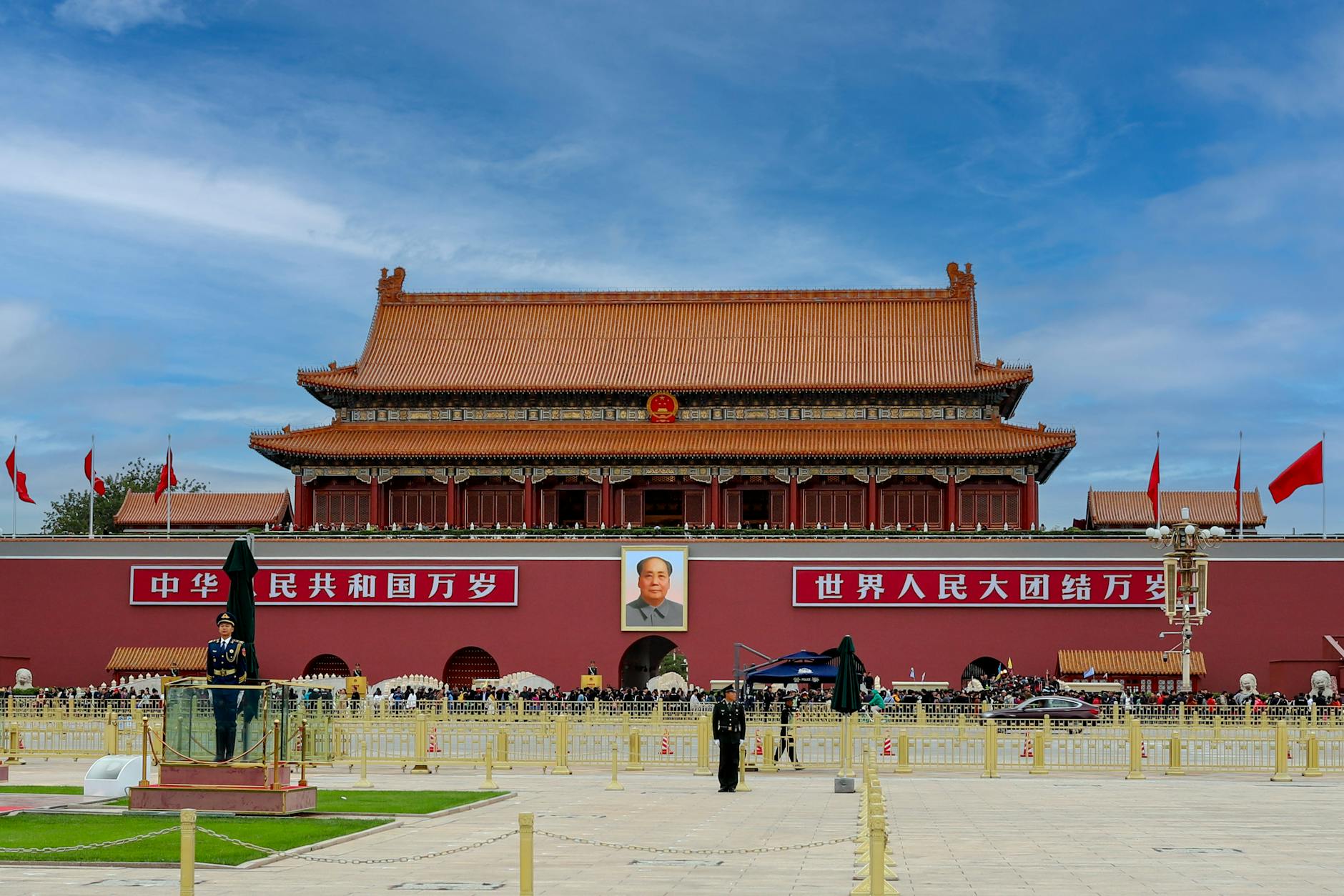
In an era defined by shifting power centers and a rapidly evolving multipolar landscape, Spain’s renewed diplomatic engagement with China has drawn international attention. The recent high‑level visit of Spain’s King Felipe VI to Beijing—his first in nearly two decades—was more than ceremonial. Analysts describe it as a strategic recalibration, signaling Spain’s intent to position itself differently within Europe and the broader global order. According to reporting on the visit, Spain emphasized pragmatic engagement, economic diversification, and cultural diplomacy, marking a deliberate shift away from ideological polarization in Europe’s China policy.
This moment raises a compelling question: Could Spain leverage this renewed relationship with China to strengthen its role as the leading Spanish‑speaking nation and the primary gateway between Europe and the Latin world? And if so, how might such an alignment reshape the geopolitical dynamics of the Hispanic world?
To explore this, we must examine three interconnected dimensions: Spain’s strategic posture in Europe, China’s expanding influence in Latin America, and the potential for Spain to serve as a cultural, economic, and diplomatic bridge in a new global order.
1. Spain’s Pragmatic Turn Toward China
Spain’s approach to China stands out within Europe. While several EU countries have hardened their stance toward Beijing, Spain has opted for a more balanced, opportunity‑driven strategy. Analysts note that Spain is “not caught in the ideological tug‑of‑war over China,” instead prioritizing trade, technology, and long‑term cooperation.
This pragmatism is rooted in economic reality:
- China is Spain’s largest trading partner outside the EU.
- Bilateral trade surpassed $50 billion in 2024.
- Spanish industries—from agriculture to renewable energy—see China as a key growth market.
The symbolism of the royal visit also matters. As observers point out, royal diplomacy carries a unique weight in Chinese political culture, projecting continuity and respect.
Spain’s message was clear: it seeks a stable, mutually beneficial relationship with China, one that can coexist with its commitments to the EU and the transatlantic alliance.
2. China’s Expanding Footprint in Latin America
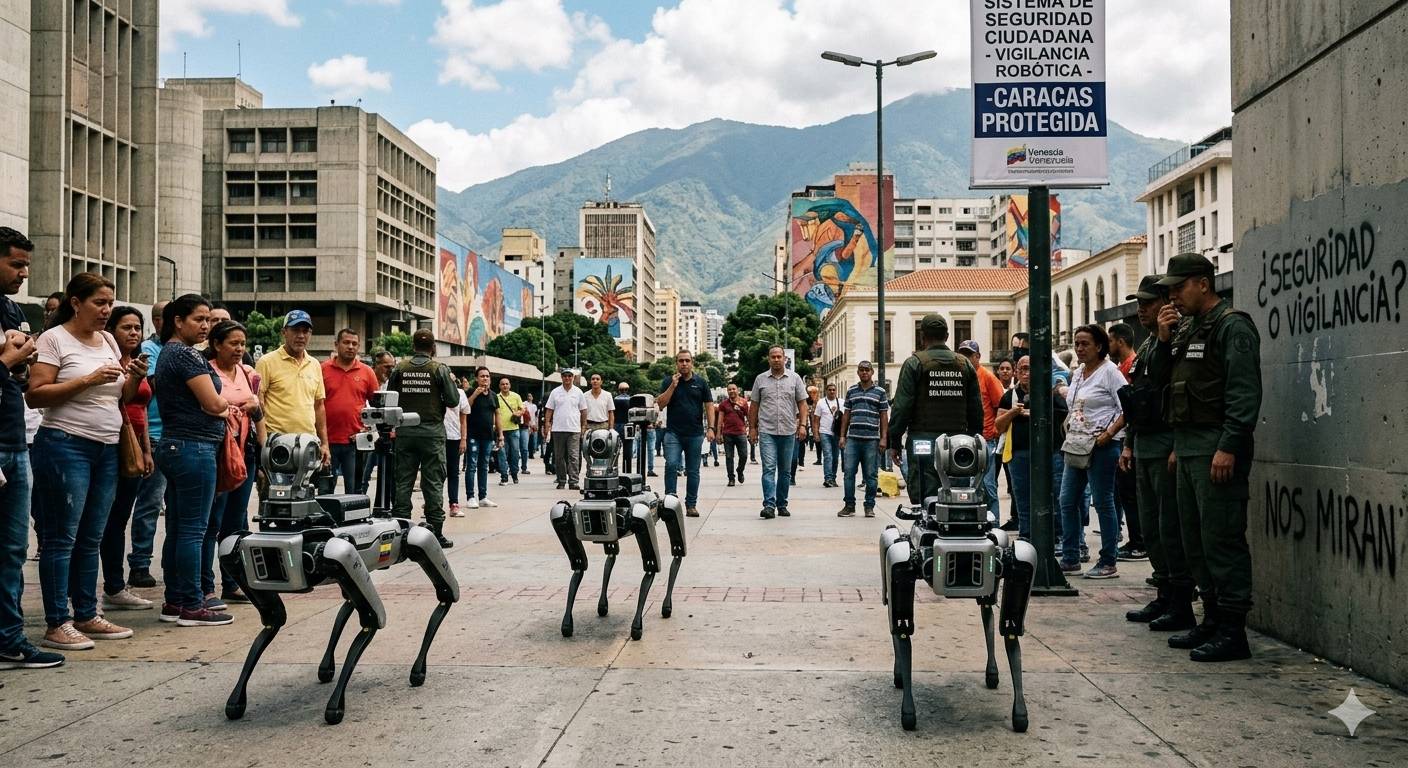
To understand Spain’s potential role in the Hispanic world, we must consider China’s accelerating influence in Latin America. Over the past two decades, China has transformed from a marginal actor into a dominant economic force in the region. Analysts predict that by 2035, China may surpass the United States as Latin America’s most important trading partner.
China’s strategy in Latin America is multifaceted:
- Economic integration: China is now South America’s top trading partner.
- Infrastructure investment: Projects like the Chancay megaport in Peru are reshaping global logistics.
- Political engagement: Through forums like China‑CELAC, Beijing is deepening diplomatic ties.
- Long‑term vision: China’s policy papers emphasize building a “community with a shared future,” signaling its intent to shape an alternative global order.
This growing presence has implications for Europe. The EU increasingly views Latin America as a strategic partner for critical raw materials and supply chain diversification. Spain, with its linguistic, cultural, and historical ties, is uniquely positioned to mediate this relationship.
3. Spain as the Hispanic World’s European Anchor
Spain has long aspired to serve as the bridge between Europe and Latin America. Yet in recent decades, its influence has been uneven, challenged by internal economic crises and the rise of new regional powers. However, the current geopolitical moment may offer Spain a renewed opportunity.
Why Spain is well‑positioned:
1. Cultural and linguistic leadership Spain remains the symbolic center of the Spanish‑speaking world, home to major cultural institutions, global media networks, and linguistic authorities.
2. Economic interdependence Spanish companies—especially in banking, telecommunications, and energy—retain a strong presence across Latin America.
3. Diplomatic credibility Spain’s ability to maintain constructive relations with both the EU and China gives it a unique diplomatic flexibility.
4. Strategic geography As the EU’s southwestern gateway, Spain is a natural logistical and commercial bridge between Europe, Africa, and the Americas.
If Spain can leverage its renewed ties with China, it may strengthen its position as the primary interlocutor between Europe and the Hispanic world—particularly as China deepens its presence in Latin America.
4. How a Spain–China–Latin America Triangle Could Reshape the Hispanic World
A deeper Spain–China partnership could have ripple effects across the Spanish‑speaking world. Consider the following dynamics:
A. Economic Realignment
China’s growing investment in Latin America could intersect with Spain’s corporate footprint, creating opportunities for trilateral cooperation:
- Joint ventures in renewable energy
- Infrastructure development
- Technology transfer
- Agricultural modernization
Spain could act as a European validator and facilitator of Chinese projects in Latin America, ensuring standards, transparency, and regulatory alignment with EU norms.
B. Cultural and Educational Influence
Spain’s cultural diplomacy—through language institutes, universities, and media—could counterbalance China’s soft‑power initiatives in Latin America. A coordinated approach could strengthen Spain’s role as the guardian of Hispanic cultural identity in a globalized world.
C. Strategic Mediation
As China seeks political legitimacy and influence in Latin America, Spain could serve as a stabilizing intermediary, helping maintain democratic norms and multilateral cooperation. Analysts note that China’s political agenda in the region includes securing support for its global governance initiatives and its stance on Taiwan.
Spain’s diplomatic experience within the EU could help navigate these tensions.
D. A New Hispanic Geopolitical Identity
If Spain successfully positions itself as the Hispanic world’s European anchor, it could help shape a more cohesive geopolitical identity for Spanish‑speaking nations—one that balances relations with the U.S., China, and Europe.
This would not be a revival of old imperial ties, but rather a modern network of cultural affinity, economic cooperation, and shared strategic interests.
5. Challenges and Limitations
Of course, this vision faces obstacles:
- Spain’s influence in China has declined relative to larger EU economies.
- The EU’s China policy is becoming more cautious and fragmented.
- Latin America is not a monolith; political cycles vary widely.
- China’s growing leverage in the region may overshadow Spain’s role.
Still, the convergence of interests—economic, cultural, and geopolitical—creates a window of opportunity.
Conclusion: A Moment of Possibility
Spain’s renewed engagement with China comes at a pivotal moment. As global power continues to diffuse and the world becomes increasingly multipolar, Spain has the chance to redefine its international role. By embracing pragmatic diplomacy with China while deepening its ties to Latin America, Spain could emerge as the leading Hispanic nation and Europe’s primary gateway to the Spanish‑speaking world.
Such a role would not only elevate Spain’s global standing but could also reshape the geopolitical landscape of the entire Hispanic world—creating new alliances, new economic corridors, and a more interconnected future.
If Spain plays its cards wisely, this could be the beginning of a new chapter in its global influence.