
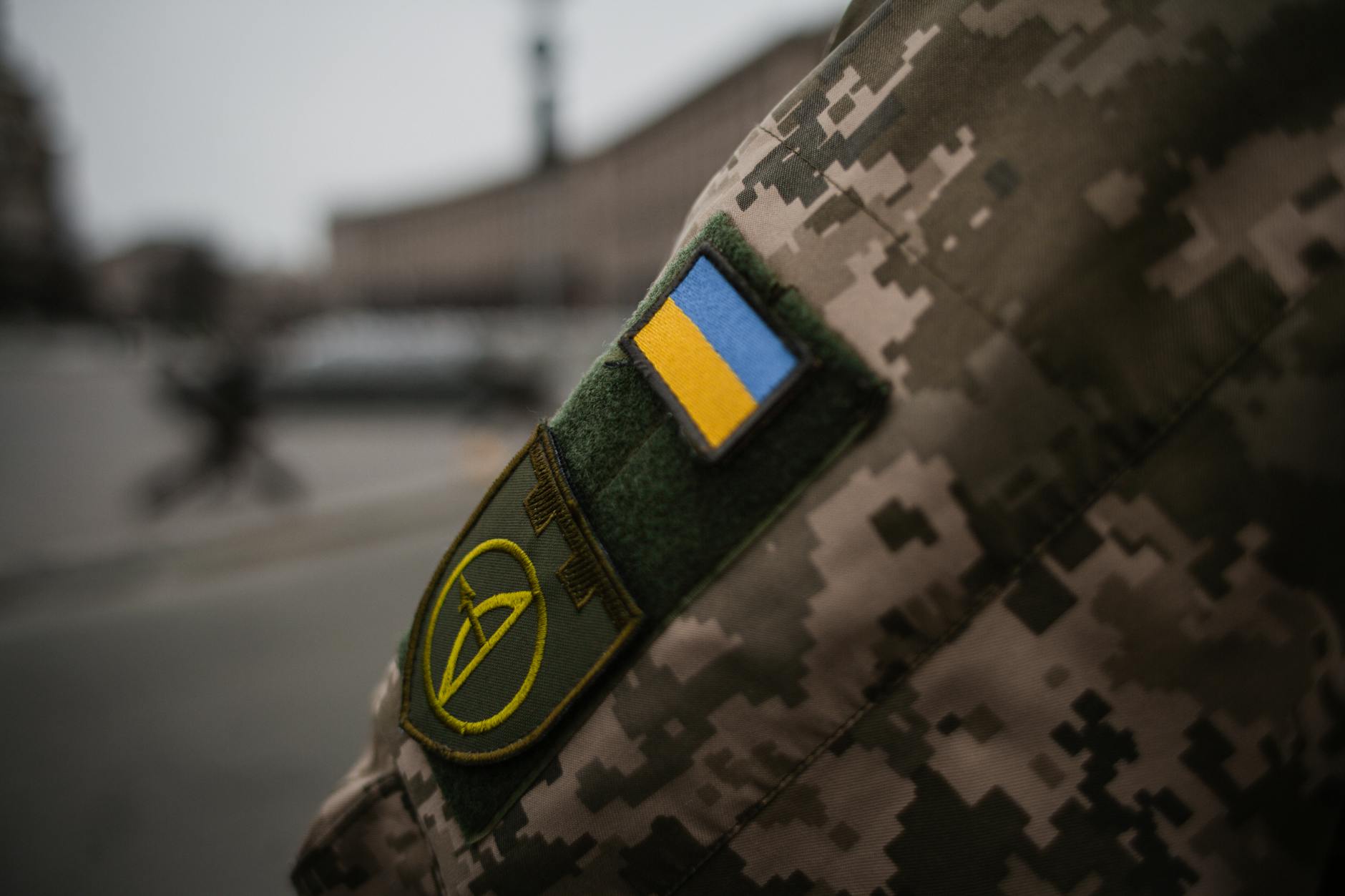
Ukrainian President Volodymyr Zelenskyy has warned that a widening conflict between the United States and Iran could have serious consequences for his country’s defense against Russia. Speaking to reporters in Kyiv, Zelenskyy said that tensions in the Middle East threaten to divert Western attention and resources away from Ukraine, potentially slowing the delivery of much-needed weapons and ammunition.
Zelenskyy’s concern comes as Washington faces growing pressure to respond to Iranian actions in the region. With U.S. forces and allies already stretched by multiple international commitments, military analysts have noted that any large-scale American operation against Iran would likely reshape global arms priorities—possibly at Ukraine’s expense.
“The world has limited capacity for crisis management,” Zelenskyy said. “When major powers shift focus, smaller nations under attack—like ours—risk losing critical support.”
Criticism and political backlash
The Ukrainian leader’s comments have drawn mixed reactions at home and abroad. Supporters argue that his warning is pragmatic: Ukraine’s survival still depends on a steady flow of sophisticated Western weaponry, including air defense systems and artillery shells. However, critics—including some Western politicians and commentators—accuse Zelenskyy of using fear to sustain military aid rather than pursuing diplomacy.
Former U.S. President Donald Trump, now a central voice in America’s foreign policy debate, has accused Zelenskyy of “not wanting peace” and of constantly “asking for more weapons.” Trump has suggested that if reelected, he could negotiate a peace deal with Russia “within 24 hours,” though he has provided few details on what such an agreement would entail.
Zelenskyy, for his part, has dismissed such comments as unrealistic, insisting that peace cannot come at the cost of Ukraine’s sovereignty or territorial integrity. “Peace cannot mean surrender,” he said in an earlier address. His government continues to argue that only military strength—combined with diplomatic pressure—can force Moscow to negotiate seriously.
The balance of global attention
Zelenskyy’s warning also highlights a broader fear among European allies: that the global security spotlight could shift rapidly from Eastern Europe to the Middle East. As the U.S. prepares to coordinate its response to Iran, European diplomats have been urging Washington not to let Ukraine fall down the priority list.
Analysts note that the timing is critical. Ukraine’s counteroffensive has stalled in several regions, and ammunition shortages have already delayed operations. A drop in Western military shipments could further weaken Kyiv’s position on the battlefield and embolden Russia to regroup.
Some NATO officials quietly share Zelenskyy’s concern, admitting that supply chains for artillery shells, drones, and air defense interceptors are already under pressure from competing demands in multiple conflict zones. The alliance’s logistics have yet to recover fully from the COVID-era production slowdown and the surge in global arms demand.
A plea for continued commitment
Despite growing criticism, Zelenskyy continues to frame his appeals for aid as part of a broader fight for international stability. “What is happening in Ukraine is not only about our land,” he said in a recent televised address. “It is about what kind of world will exist—one governed by law, or one ruled by force.”
For now, Ukraine’s fate remains closely tied to the geopolitical choices of its allies. If the U.S. becomes deeply involved in a new confrontation with Iran, the flow of weapons to Kyiv could slow significantly—testing not only Ukraine’s resilience but also the Western alliance’s capacity to handle simultaneous crises.