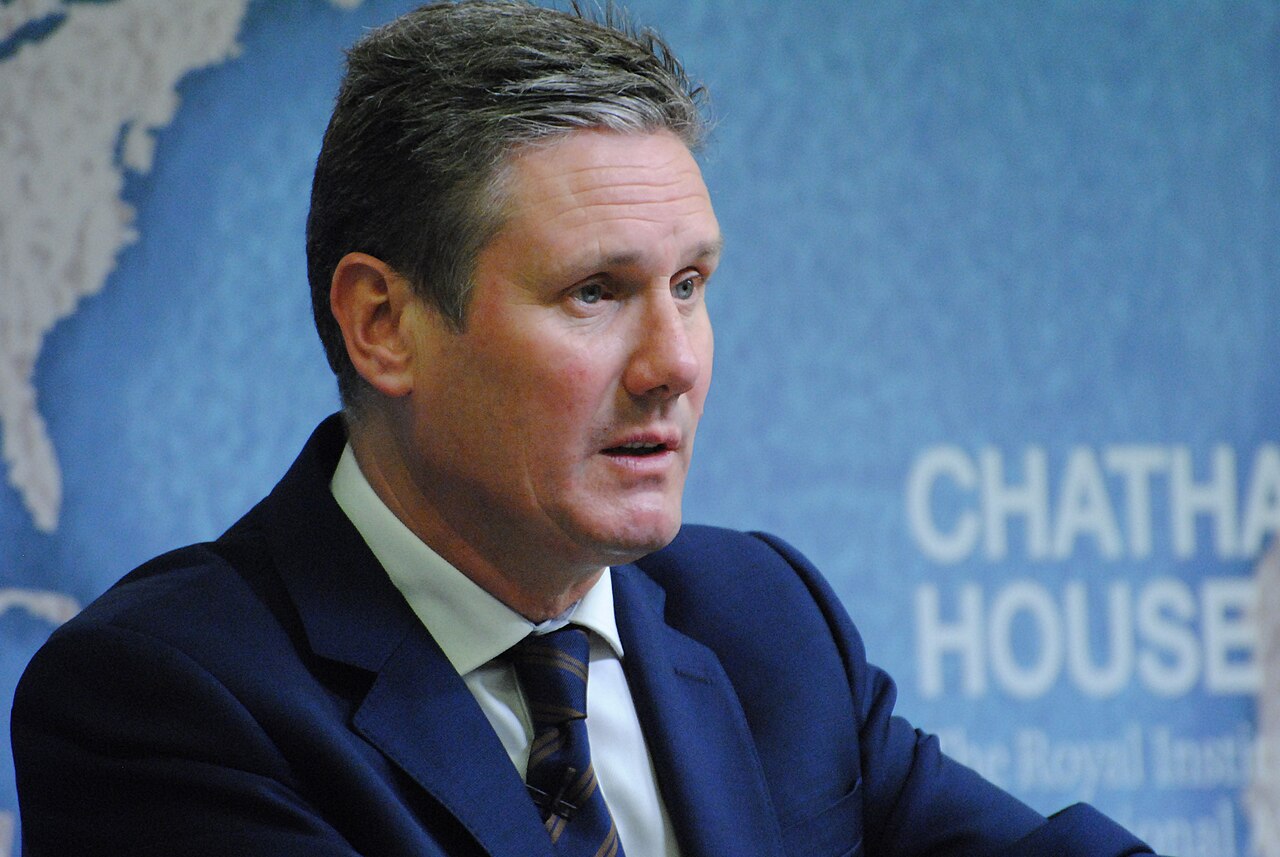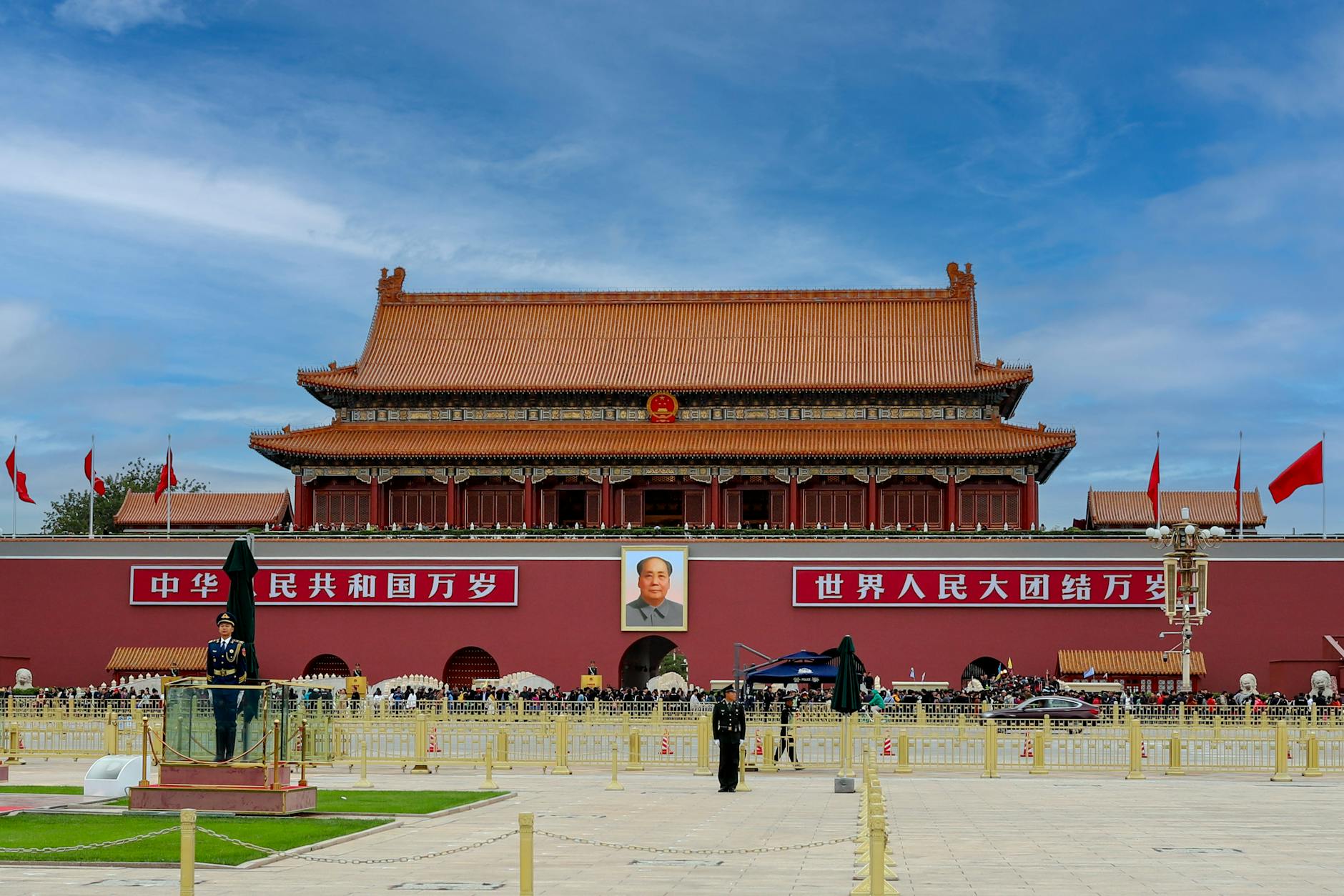


A landmark meeting in Beijing between Chinese President Xi Jinping and Taiwan opposition leader Cheng Li-wun signals a potential shift in cross-strait dynamics.
China is increasingly exploring political dialogue with Taiwan’s Kuomintang (KMT) as a pathway toward what it calls “peaceful reunification,” at a time when military tensions in the Taiwan Strait remain high.
Cheng’s visit—the first by a senior KMT figure to Beijing in years—carries both symbolic and strategic weight. While Xi emphasized shared identity and historical unity, Cheng framed the trip as an effort to “plant the seeds of peace,” reflecting a careful balance between engagement and public skepticism in Taiwan.
The KMT’s stance continues to favor stability over confrontation, advocating for dialogue, economic cooperation, and the preservation of the current status quo rather than immediate unification or formal independence.
For Beijing, the KMT represents a viable political bridge, especially as relations with Taiwan’s ruling Democratic Progressive Party remain strained. This outreach could also shape the political landscape ahead of Taiwan’s 2028 elections.
However, reactions remain mixed. Many in Taiwan view closer ties with China cautiously, while the United States watches developments closely amid growing regional rivalry.
As tensions persist, this meeting may mark the beginning of a renewed—yet uncertain—diplomatic channel across one of the world’s most sensitive geopolitical divides.