

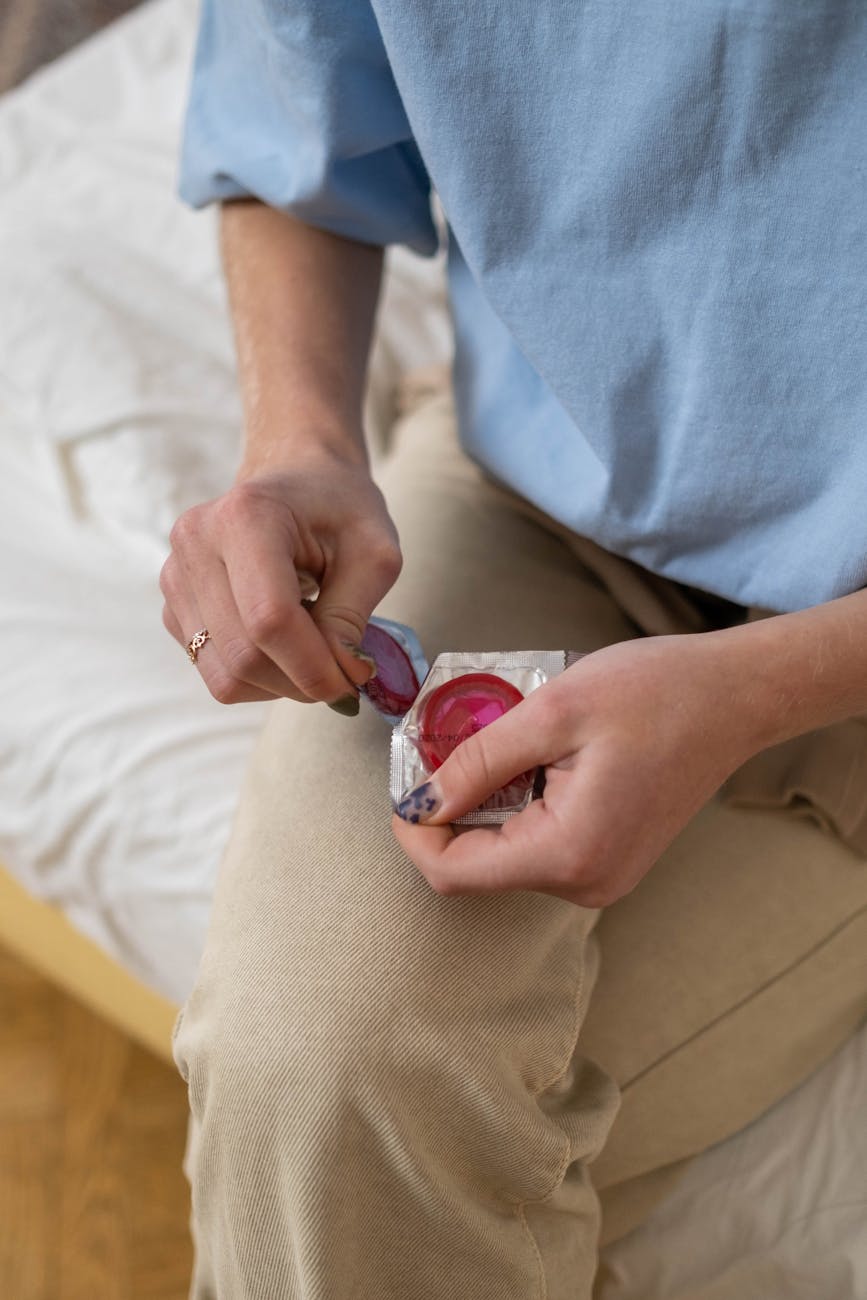
The world’s largest condom manufacturer, Karex, is raising prices by 20–30% due to the Iran‑related supply chain crisis, a shift that could strain global public health efforts.
The global condom market is facing an unexpected shock — and it’s coming from far beyond the bedroom. Karex, the world’s largest condom producer and a key supplier for brands like Durex and Trojan, has announced a 20% to 30% price increase on condoms and lubricants as the war involving Iran continues to disrupt global supply chains.
According to the company’s CEO, Goh Miah Kiat, the conflict has triggered a cascade of economic pressures. The blockade and instability around the Strait of Hormuz, one of the world’s most critical energy corridors, has pushed up the cost of petroleum‑based materials used in condom production — from synthetic rubber and nitrile to silicone oil and even the aluminum used in packaging. Shipping times to the U.S. and Europe have nearly doubled, and freight costs have surged.
Karex produces over 5 billion condoms a year, accounting for roughly 20% of global supply, and its products don’t just stock store shelves. They support public health systems like the UK’s National Health Service and international aid programs run by the United Nations. That means the ripple effects of this price hike could reach far beyond commercial markets.
Public health experts are already warning that higher prices and slower shipments could hit developing countries the hardest. Many rely on large‑scale condom distribution programs to prevent sexually transmitted infections and reduce unplanned pregnancies. With global stockpiles already low — partly due to last year’s cuts in U.S. foreign aid — the timing couldn’t be worse.
The company says demand for condoms has actually jumped by about 30% this year, creating an even tighter squeeze on supply. Some shipments are now taking nearly two months to reach the U.S., compared to the usual four weeks. Containers full of condoms are literally stuck at sea, waiting for rerouted vessels to clear congested shipping lanes.
While Karex insists it has enough raw materials for the next few months, the situation remains “fragile.” If the conflict drags on, further price increases are possible. For a product that plays a crucial role in global health, this isn’t just an economic story — it’s a warning about how geopolitical crises can quietly undermine essential public‑health infrastructure.