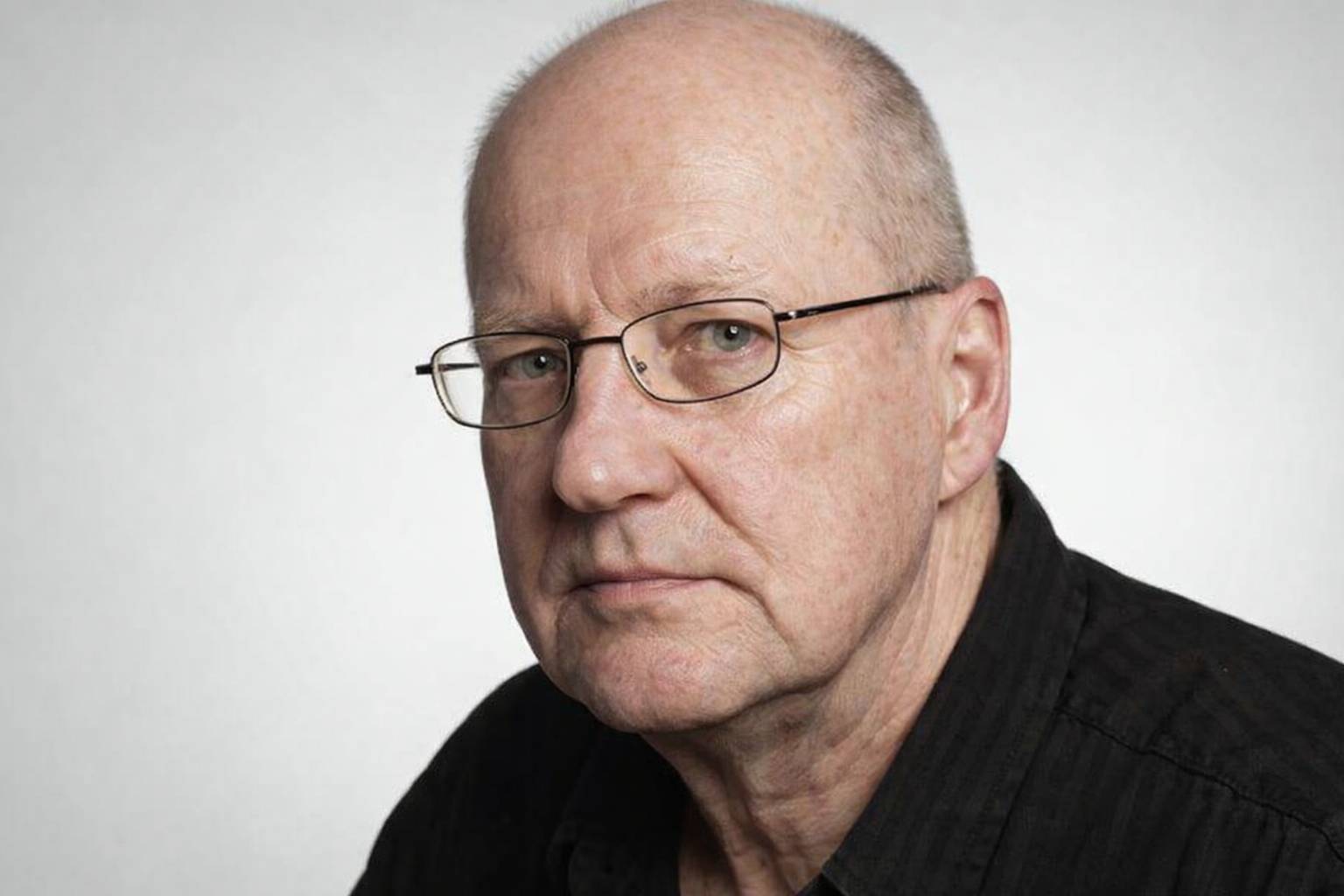


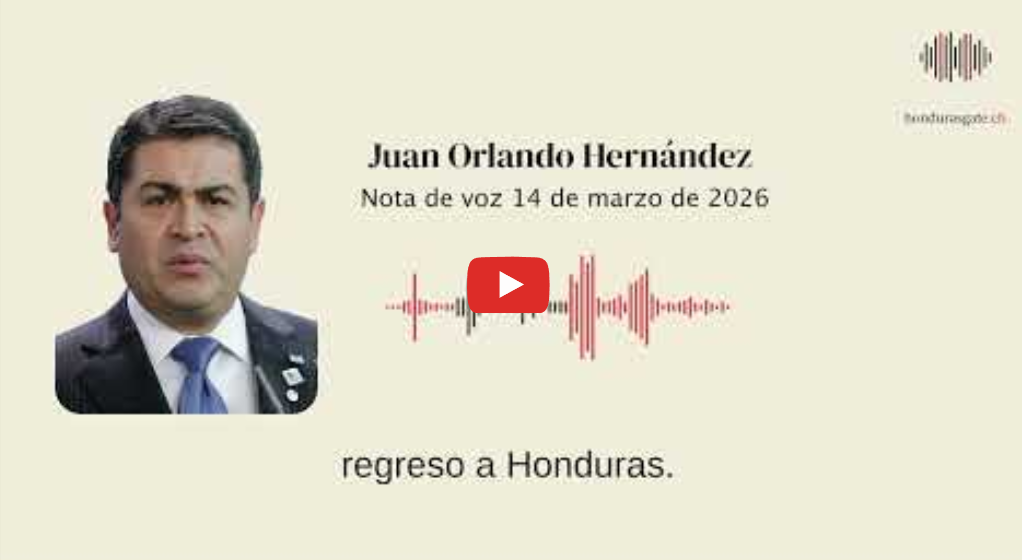
A series of leaked audio recordings, allegedly involving high-ranking Honduran officials and foreign political actors, has ignited a political firestorm in Honduras and raised concerns across Central America. The recordings, shared through WhatsApp, Signal and Telegram, were published by investigative outlets Canal RED and Hondurasgate, and appear to outline a coordinated effort to clear the path for the political return of former Honduran president Juan Orlando Hernández.
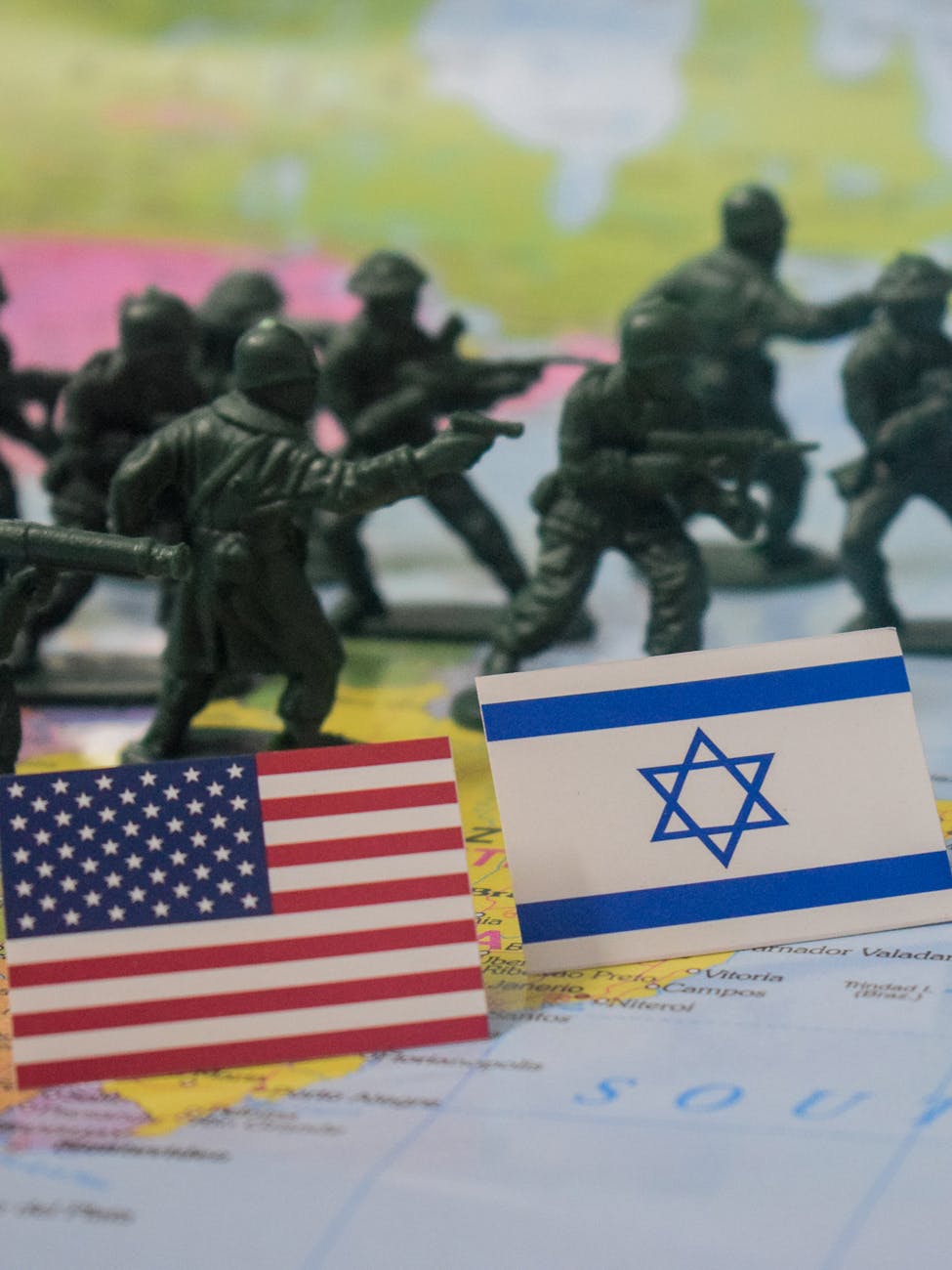
Hernández, who was convicted in the United States on drug trafficking charges and later pardoned, is heard in several of the recordings discussing political strategy, judicial maneuvers and foreign support. The leaks suggest that his potential comeback is tied to broader geopolitical interests involving the United States and Israel.
A Former President at the Center of a New Power Network
According to the leaked audio files, Hernández has been working to rebuild his political influence from abroad. The recordings portray him as a central figure in a network that includes current Honduran officials, members of the National Congress, electoral authorities and foreign political allies.
The audios suggest that Hernández’s return would not be merely symbolic. Instead, he would serve as a key political operator for foreign governments seeking to expand their strategic presence in Central America. The recordings describe negotiations involving economic zones, military infrastructure and legislation favorable to foreign investment, particularly in the fields of artificial intelligence and security technology.
Foreign Interests and Alleged Geopolitical Bargains
One of the most striking elements of the leaked material is the alleged involvement of foreign leaders. The recordings reference conversations in which figures close to Donald Trump and Israeli Prime Minister Benjamin Netanyahu are described as supporting Hernández’s political rehabilitation.
According to the leaks, the former Honduran president claims that his pardon was facilitated by political allies in Washington and financed by donors linked to Israel. The recordings also describe discussions about expanding the controversial Zones for Employment and Economic Development (ZEDEs), creating a new U.S. military installation and drafting legislation tailored to attract investment from American and Israeli technology companies.
These alleged negotiations, if confirmed, would represent a significant shift in the geopolitical landscape of Central America, positioning Honduras as a strategic hub for foreign military and economic interests.
A Government Under Pressure
The leaked audios also implicate current Honduran president Nasry Asfura, who is portrayed as a transitional figure whose administration would pave the way for Hernández’s eventual return. Other officials mentioned include the president of the National Congress, Tomás Zambrano, and members of the National Electoral Council.
The recordings suggest that these actors coordinated efforts to remove judicial and electoral authorities who could obstruct Hernández’s comeback. In recent months, Honduras has indeed witnessed a series of high-profile dismissals and resignations within key institutions, raising concerns about political interference and the erosion of democratic checks and balances.
Lawfare and Institutional Capture
The term “lawfare” — the use of legal mechanisms to achieve political goals — appears repeatedly in analyses of the leaked material. The recordings describe a strategy aimed at reshaping the judiciary and electoral bodies to ensure favorable outcomes for Hernández and his allies.
Several officials who had questioned the legitimacy of the 2025 elections or who were involved in judicial proceedings related to Hernández were removed from their positions. Critics argue that these moves reflect a broader attempt to consolidate power and neutralize opposition voices.
A Nation Facing a Democratic Crossroads
The revelations have triggered widespread debate in Honduras, where civil society organizations, political analysts and opposition leaders are calling for an independent investigation. The leaks raise fundamental questions about the integrity of the country’s institutions and the extent to which foreign interests may be influencing domestic politics.
For many Hondurans, the possibility of Hernández returning to power — after years of allegations linking his administration to corruption and drug trafficking — represents a profound challenge to democratic governance. The leaked recordings suggest that his comeback could be part of a larger geopolitical strategy, one that positions Honduras as a key node in international power dynamics.
As the country grapples with the implications of these revelations, the demand for transparency and accountability is growing. Whether the institutions of Honduras can withstand this pressure — and whether the allegations contained in the leaked audios will be fully investigated — remains an open question.