

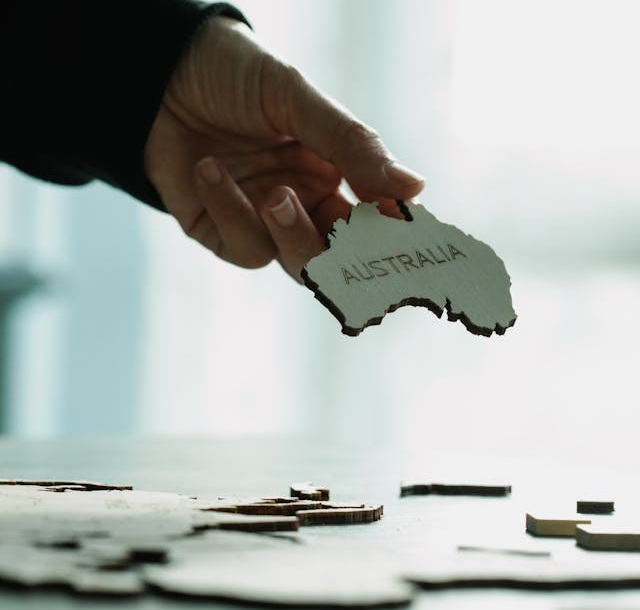
Australia’s foreign policy in 2026 is defined by a persistent tension between economic interdependence with China and strategic alignment with the United States. That duality shapes Canberra’s choices across trade, investment screening, defence cooperation and Pacific diplomacy.
Economic ties remain large but shifting. China continues to be Australia’s dominant trading partner, especially for commodities such as iron ore, and bilateral trade has recovered after earlier disputes; recent analyses describe a managed restoration of trade ties and new cooperation frameworks in green energy and critical minerals. At the same time, Chinese investment flows into Australia have fallen sharply, with commentators and research institutes noting a marked decline in approvals and a net reduction in Chinese-held assets since 2019.
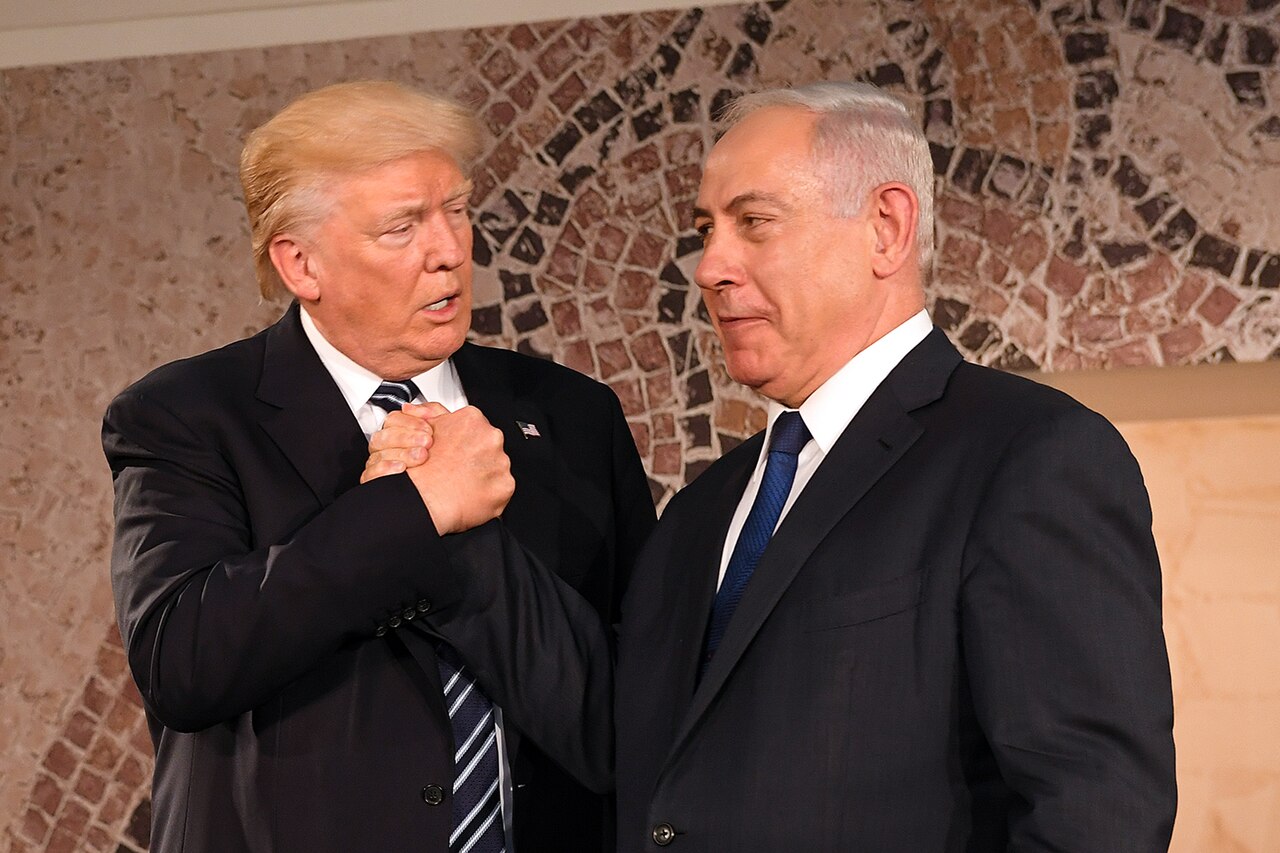
Security alignment with the United States is deep and operational. Australia hosts key intelligence and force‑projection facilities that underpin the Five Eyes partnership and regional deterrence: Pine Gap remains central to allied intelligence collection, while AUKUS and other arrangements have embedded closer defence-industrial ties with Washington and London. These links give Canberra strategic weight but also increase the risk of being drawn into great‑power competition.
The Indo‑Pacific is now a contested diplomatic arena. Incidents such as Chinese naval exercises near Australian waters in 2025 heightened Canberra’s sense of vulnerability and accelerated efforts to shore up influence across the Pacific. Australia has pursued bilateral security pacts with neighbours (for example, the Port Moresby agreement with Papua New Guinea) and intensified outreach to Vanuatu and other island states to prevent a strategic vacuum.
Policy options and trade‑offs for Canberra:
- Diversify export markets and value chains. Reducing concentration risk in a single market will take time but is essential to lower vulnerability to coercive measures.
- Tighten investment screening while remaining open. Australia must signal that it welcomes foreign capital but will apply national‑interest tests—balancing economic needs with security concerns.
- Sustain credible deterrence without escalation. Maintaining AUKUS and intelligence cooperation preserves deterrence, but Canberra also needs crisis‑management channels with Beijing to avoid miscalculation. Recent high‑level dialogues aim to institutionalise such communication.
Risks to monitor: a sudden drop in Chinese demand for commodities; further erosion of Chinese investment; and diplomatic setbacks in Pacific island states that could shift regional logistics and basing options. Opportunities include joint green‑economy projects, critical‑minerals processing partnerships and a more diversified trade portfolio.
Bottom line: Australia cannot choose between economy and security without cost. The pragmatic path is a dual strategy: accelerate economic diversification and resilience while preserving robust defence partnerships and open channels with China. That calibrated approach seeks to protect prosperity at home while managing strategic competition abroad.